TOE PAIN
Toe Pain Causes: Which Toe Hurts, Where, and What It Could Mean
Big toe, little toe, tip, joint or underneath: a practical map of the common reasons toes hurt, what helps with comfort, and which signs mean a clinician should look.
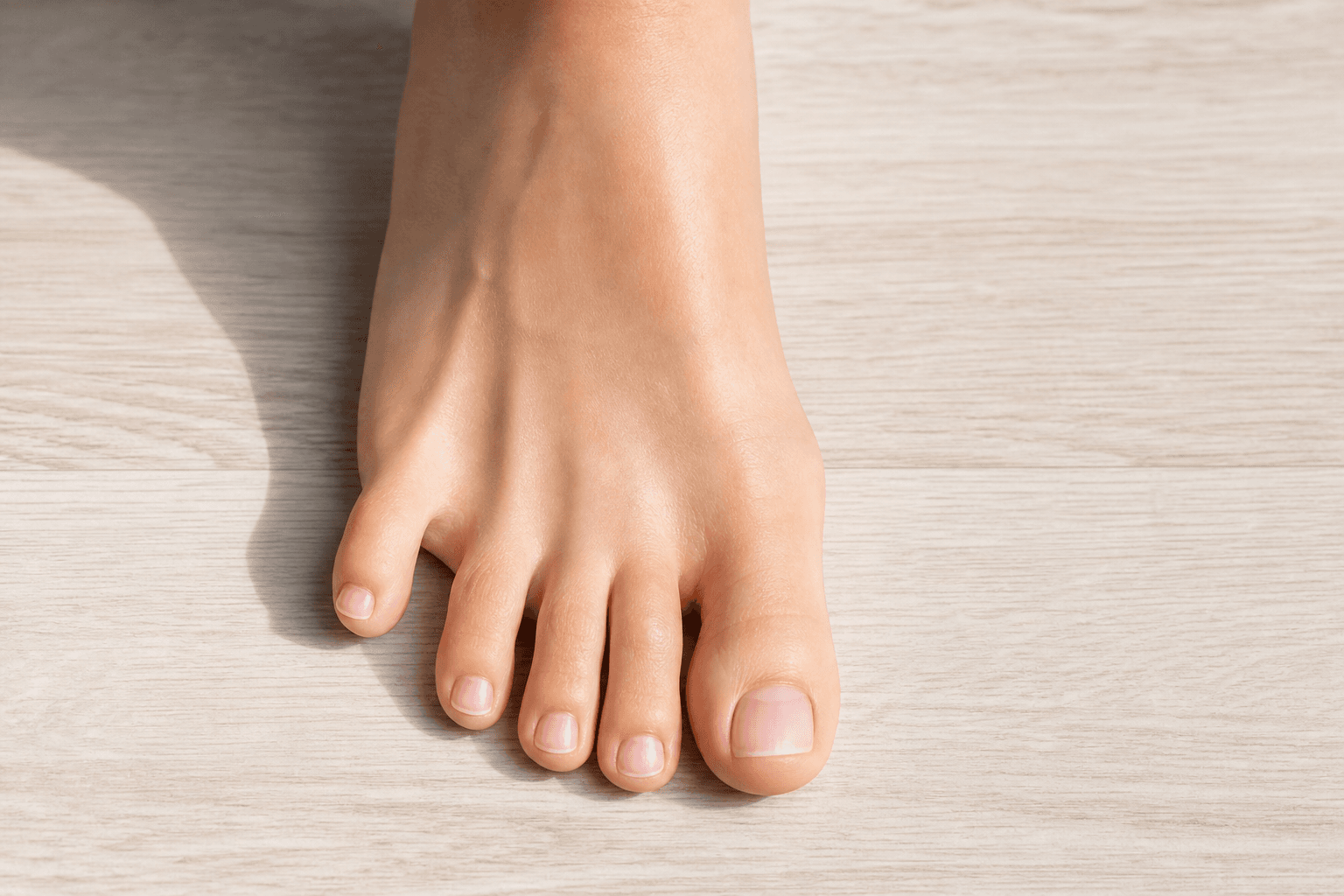
Toe pain usually comes from a short list of causes: shoes that squeeze, a joint that has become stiff or inflamed, a nerve that is being pinched between the bones, a nail that is pressing into skin, or a knock that bruised or cracked something. Where the pain sits, and when it shows up, narrows the list quickly.
Start with two questions. First, which toe, and which part of it: the nail edge, the joint, the pad underneath or the tip? Second, is there a visible change such as redness, swelling, a bump, a colour change or a wound? Pain with a hot, red, swollen joint that appeared overnight, or any toe that turns pale, blue or black after an injury, needs prompt medical attention.
Below we go through the most common patterns, what tends to ease them, and when to stop self-care. For a whole-foot view, our foot pain chart maps every area, and the foot care hub collects the individual guides.
Pain in the big toe
The big toe takes the most load when you push off, so it is the toe most often reported. Pain at the base joint that is stiff and worse in the morning or when you bend the toe back is the typical pattern of a worn or irritated joint; our guide to big toe joint pain covers it in detail. A bump on the inner side with the toe angling toward the others is a bunion, discussed in bunions.
Sudden, severe pain with a red, hot, swollen joint, especially if it woke you at night, is the classic picture of a gout flare, which a doctor should confirm; see gout in the foot. Pain under the joint that grows when you bend the toe may involve the small sesamoid bones, described in sesamoiditis, and a jammed, sprained joint after sport is covered in turf toe.
Pain in the smaller toes
A curled middle joint with a corn on top is the usual story of a hammer or claw toe, where the toe has settled into a bent position; see hammer toes. The little toe often hurts because it is squeezed against the shoe or rubbed on the outer side, producing a corn, a blister or a bony bump; our pinky toe pain guide goes into that in detail.
Burning, tingling or an 'electric' feeling that spreads into two neighbouring toes, often worse in narrow shoes, can be a nerve problem between the metatarsal heads; our neuroma page explains how that pattern is separated from joint pain.
Pain along the nail
Pain, redness and swelling at the nail edge usually mean the nail is pressing into the skin. The ingrown toenail guide covers what is safe at home and what a podiatrist does. Pain under or around a darkened nail after a knock or a long run is discussed in black toenail. A thick, discoloured, crumbly nail is more often fungus than an injury; see toenail fungus.
Pain in a nail that curls strongly inward along its sides may be a pinched nail shape rather than an ordinary ingrown edge; read about it in pincer toenail.
Pain under the toes or at the ball of the foot
Pain beneath the toe joints, as if walking on a pebble, often relates to pressure in the forefoot rather than the toes themselves. Cushioned shoes with room in the toe box, and a firm, supportive insole that spreads load more evenly, are common comfort measures. Our pages on metatarsalgia and ball of foot pain explain how forefoot pain differs from a toe problem.
Numbness, colour change and swelling
Toes that feel numb, cold or pale, or that turn white or blue in the cold, deserve a conversation with a doctor, particularly in people with diabetes or circulation problems. See numb feet for the wider picture. Swelling that affects the whole foot rather than one toe is covered in swollen feet.
Any open sore, blister that does not close, or spreading redness on a toe is a reason to be seen promptly if you have diabetes or reduced sensation. Skin breakdown on the toes can progress faster than people expect.
What usually eases everyday toe pain
Start with the shoes. A toe box wide enough to let the toes spread, about a thumb's width of space beyond the longest toe, and a heel that is not forcing the foot forward make a noticeable difference for many people. Swap tight or pointed shoes for a roomier pair for a couple of weeks and see whether the pain eases.
For a stubbed or bruised toe, resting it, elevating the foot and using a cold pack wrapped in a cloth for short periods can ease soreness. Buddy-taping to a neighbouring toe is sometimes used for comfort, but if the toe looks crooked, will not bend, or the pain is severe, an X-ray may be needed to check for a break. Soft toe sleeves and spacers can reduce rubbing, and a supportive insole such as the one in our Akusoli insoles review can help spread pressure across the foot; these are comfort aids, not remedies for a joint or nerve problem.
When to see a doctor or podiatrist
See a clinician for toe pain after a significant injury, a toe that looks deformed or will not move, a hot red swollen joint, spreading redness, pus, numbness, a colour change, or pain that lasts more than a couple of weeks despite roomier shoes. People with diabetes, poor circulation or nerve loss should have any toe wound checked early. This article is general information, not personal medical advice.
Explore the foot care hub
Guides for toes, nails, skin, socks and circulation in one place.
Explore the foot care hub →Frequently asked questions
Why does my toe hurt for no reason?
Pain with no clear injury is often from footwear pressure, an irritated joint, a pinched nerve or a nail edge pressing into skin. Gout and arthritis can also flare without an injury. If it persists, a podiatrist can sort out which one it is.
Why does my big toe hurt when I walk?
Walking bends the big toe joint with every step, so a stiff or inflamed joint, a bunion or irritated sesamoid bones can all hurt then. The pain pattern and any swelling help separate them.
How do I know if my toe is broken or just bruised?
Marked swelling, a crooked look, bruising that spreads, inability to bear weight or severe pain suggest a break. Only an X-ray can confirm, so get checked if you are unsure.
Can tight shoes cause toe pain?
Yes. Narrow toe boxes press the toes together and can aggravate corns, bunions, hammer toes and nerve irritation. Trying a wider, roomier shoe is a sensible first step.
When is toe pain an emergency?
A toe that turns pale, blue or black, a hot red swollen joint with fever, or a wound with spreading redness needs prompt medical care, especially if you have diabetes.
HeelCups is reader-supported. When you buy through links on our site we may earn an affiliate commission, at no extra cost to you. This article is general information about foot comfort and is not medical advice — see our medical disclaimer.