Heel Spurs: What They Are, What They Aren't, and What Helps
A heel spur is a bony growth that shows up on X-ray — but it's rarely the thing that hurts. Here's how spurs relate to plantar fasciitis and what treatment looks like.
A heel spur — clinically a calcaneal spur — is a small bony outgrowth that forms on the underside or the back of the heel bone. It shows up on X-ray as a hook or a short peak, and it grows slowly over years wherever the body senses persistent tension: usually at the front of the heel where the plantar fascia anchors, sometimes at the back of the heel where the Achilles tendon attaches. The name sounds alarming and the picture looks worse, but the spur itself is rarely the thing that hurts. It is a downstream response to tension, not the tension's cause.
The most important fact about heel spurs is that they are common in people with no pain at all. Population imaging studies find spurs in roughly one in five to one in ten adults, and the majority never notice. On the other side of that coin, most people diagnosed with plantar fasciitis do not have a spur on X-ray, and their pain resolves without one ever forming. When a heel with a spur hurts, the culprit is nearly always the inflamed soft tissue around it — the plantar fascia at its heel attachment, or the Achilles tendon and the retrocalcaneal bursa at the back of the heel — and treatment aims at that tissue, not the bony bump.
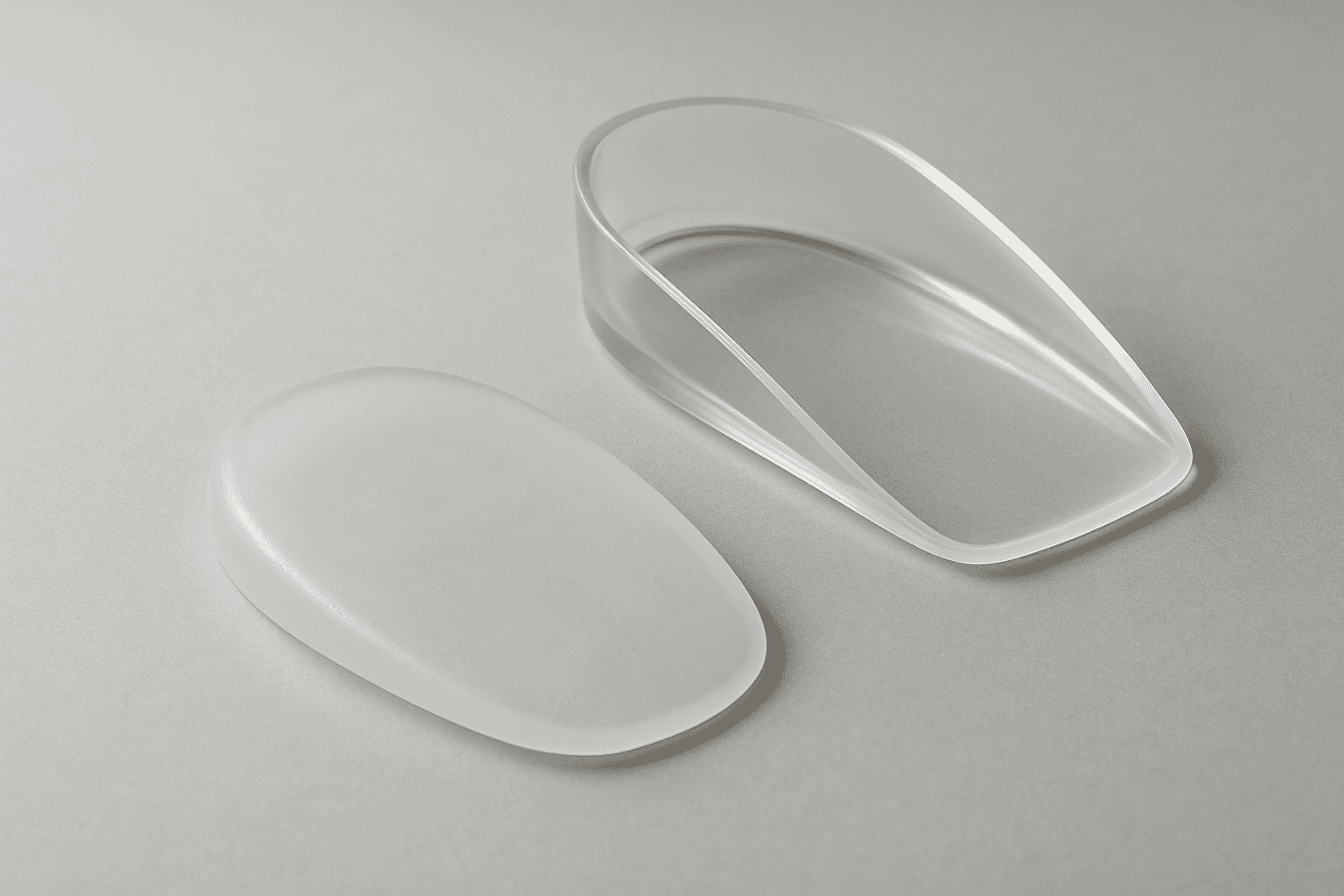
That is why the useful daily plan for a painful heel with a spur looks almost identical to the plan for plantar fasciitis or insertional Achilles pain, depending on where the spur sits. A spur at the underside of the heel bone reads as plantar fascia tension over years, so it responds to calf and fascia stretching, a supportive insole with a firm arch and deep heel cup, less time barefoot on hard floors, and a temporary cut in whatever activity tipped the tissue over. A spur at the back of the heel points to the Achilles complex, and it responds to a small heel lift, eccentric calf loading once the acute pain calms, and avoiding shoes whose stiff back edge rubs the bump directly.
Telling a heel spur apart from its neighbors is mostly a matter of where and when it hurts. A tender spot at the front of the heel, worst with the first steps in the morning and easing as you walk, is the plantar fascia pattern whether or not X-ray shows a spur. A tender bump at the back of the heel, worst going up stairs, on hills, or when a shoe's heel counter presses on it, is the Achilles or Haglund's pattern. A diffuse bruised feeling across the whole heel pad, worst at end of day, is the fat pad. And deep focal pain on the heel bone that hurts with any weight and started after a jump in activity or a fall belongs in a clinic — a stress fracture can hide there and needs imaging.
First moves for a painful spur are unglamorous but effective. Add a supportive insole with a firm medial arch and a deep, cushioned heel cup to every shoe you wear all day so the fascia or tendon is not being re-loaded between sessions. Do a short daily calf and fascia stretch, morning and evening, giving whatever routine you pick three to four weeks before deciding whether it is working. Ease in — three to four hours the first two days, then a half day, then full days — so your feet adjust to the new geometry. Use a frozen water bottle under the arch after long days for a comfort-and-calm reset. Cut the specific activity (mileage jumps, long shifts on concrete, a summer of flat sandals) that tipped the tissue over for two to four weeks. None of this shrinks the spur — it changes the daily load so the soft tissue around it can quiet down.
There is a place for imaging and injections, and there is a place for surgery, but neither is the first move. An X-ray confirms a spur; ultrasound or MRI shows how thick and inflamed the fascia or tendon is around it. A corticosteroid injection can settle stubborn soft-tissue inflammation, and shockwave therapy has evidence for chronic cases. Surgical removal of a spur is rare, reserved for pain that has resisted six to twelve months of honest conservative care with a clear soft-tissue target; the operation itself is on the surrounding tissue as often as it is on the bone. A podiatrist or foot-and-ankle clinician is the right person to sort that ladder with you.
Nothing in this section is medical advice, and nothing sold on this site is a treatment for a heel spur. The goal is comfort, support and relief while the soft tissue around a spur calms down, and knowing when the picture has stopped fitting the self-care lane. Persistent heel pain that has not eased after four to six weeks of honest home care, pain that followed a specific injury or fall, or pain that comes with swelling, warmth, numbness, tingling or a color change deserves an in-person exam by a doctor or podiatrist.
Use the sub-pages below to go deeper: how [heel spur treatment](/heel-spurs/spur-treatment) actually works day-to-day, [what a bone spur on the heel really is](/heel-spurs/bone-spur) at the level of the tissue, and the specific ways heel spur and plantar fasciitis overlap and diverge. Every recommendation on this hub is written for comfort, support and relief, and links to the supportive insole we would buy first.
In this guide
- Heel Spur Surgery: When It Comes Up, What It Involves and What Recovery Looks Like
- Heel Spur Treatment: What Actually Helps a Painful Heel With a Spur on X-Ray
- Bone Spur on the Heel: What It Is, Why It Rarely Hurts on Its Own, and What Helps
- Heel Spur vs Plantar Fasciitis: How to Tell Them Apart, and Why the Fix Is Often the Same
- Heel spur treatment coming soon
- Bone spur on the heel: symptoms and causes coming soon
- Heel spur vs plantar fasciitis coming soon
Written and reviewed by the Heelcups.com Team. General information, not medical advice — see our medical disclaimer. Reader-supported: we may earn a commission when you buy through our links.