INDEPENDENT REVIEW
Akusoli Magnetic Acupressure Insoles Review: Is It Worth It?
A contoured, trim-to-fit insole with a deep heel cup, firm arch support, acupressure nodes and magnet inserts — the arch support does the work, the rest is a comfortable bonus.
Quick answer: Yes — for everyday heel and arch comfort in the shoes you already own, Akusoli is the insole we'd buy first in 2026. The firm arch, deep heel cup and dense cushioning are the same geometry the premium orthotic brands use, delivered in a trim-to-fit pair at a drugstore price, with an antimicrobial top layer that keeps work shoes fresher. Ignore the magnet marketing; the support is what works. Severe or long-standing pain still belongs with a podiatrist, but for the morning-heel-pain, on-my-feet-all-day crowd, this is the right first step.
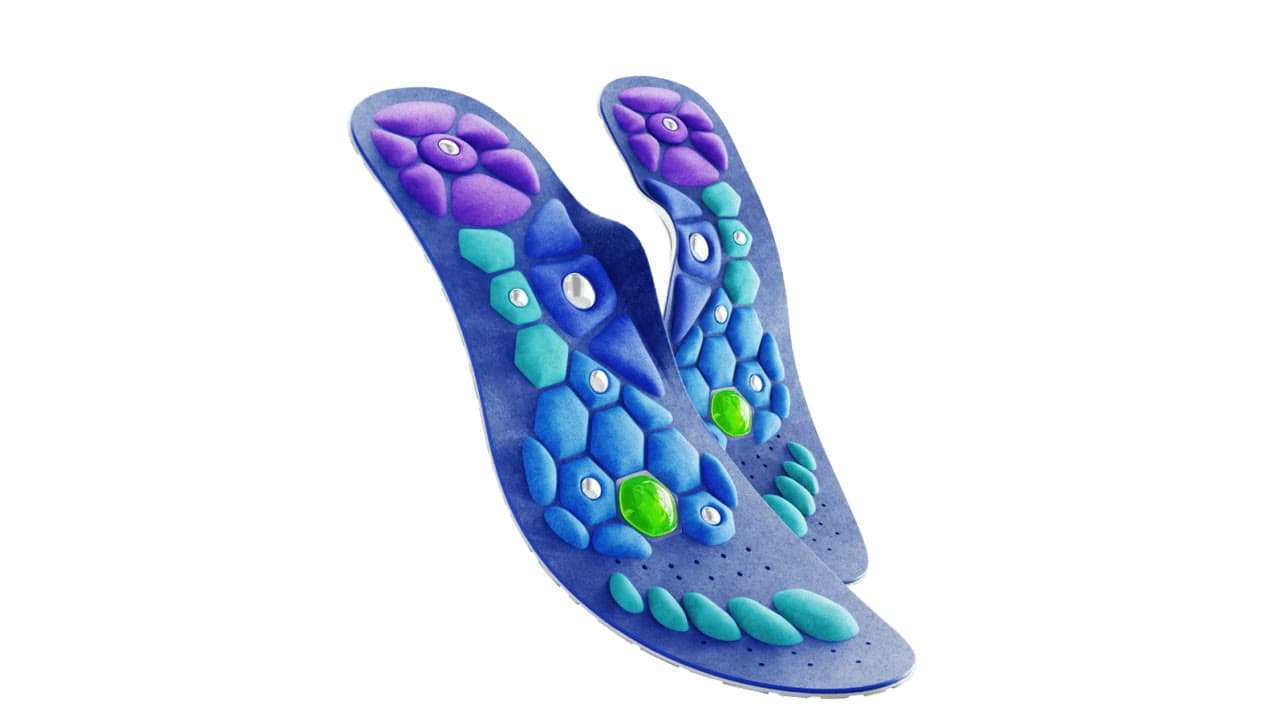
A pair of Akusoli insoles: raised arch, deep heel cup, acupressure nodes and magnet inserts. Product photo: Akusoli.
Our verdict
Yes — for everyday heel and arch comfort in the shoes you already own, Akusoli is the insole we'd buy first in 2026. The firm arch, deep heel cup and dense cushioning are the same geometry the premium orthotic brands use, delivered in a trim-to-fit pair at a drugstore price, with an antimicrobial top layer that keeps work shoes fresher. Ignore the magnet marketing; the support is what works. Severe or long-standing pain still belongs with a podiatrist, but for the morning-heel-pain, on-my-feet-all-day crowd, this is the right first step.
The short version
Akusoli is a full-length insole that combines the three things that matter for tired, achy feet — a firm arch, a deep heel cup and dense cushioning — with two things that mostly add comfort: a field of small acupressure nodes and a few embedded magnets. It's trimmable to any shoe size, has an antimicrobial silver-coated top layer to keep odor down, and costs about what a mid-range drugstore insole does. For heel pain that's worst in the morning, the arch and heel-cup geometry is the part that earns the score; think of the magnets as a gentle massage texture rather than a treatment.
Pros & cons
Pros
- Firm, contoured arch support that offloads the heel with every step
- Deep heel cup cradles the fat pad and keeps the heel centered in the shoe
- Trim-to-fit outline works in sneakers, work shoes, boots and flats
- Acupressure nodes give a noticeable massage-like feel when standing
- Antimicrobial silver-coated top layer keeps shoes fresher
- Priced like a drugstore insole, built more like an orthotic
Cons
- Evidence for magnet therapy is thin — buy it for the support, not the magnets
- Not a substitute for a podiatrist's custom orthotic in severe or long-standing cases
- The raised nodes take a few days to get used to if you're coming from flat insoles
How it works
Trim to your shoe
Pull the existing insole out of your shoe, lay it on top of the Akusoli as a template, and trim along the toe guide. It takes about a minute per pair.
Support the arch, cradle the heel
The raised arch keeps the plantar fascia from overstretching with each step, while the deep heel cup holds the fat pad under the heel bone where it can absorb impact.
Ease in over a week
Start with a few hours a day so your feet adjust to the contour and the acupressure texture, then wear them all day. Most people notice the biggest difference on long standing or walking days.
Who it's for
- Anyone with heel or arch pain that's worst first thing in the morning and after long standing
- People on their feet all day — retail, hospitals, warehouses, teaching — in shoes with flat factory insoles
- Walkers and casual runners who want more arch support without a rigid orthotic
- Shoppers who want one trimmable pair to move between several shoes
What Akusoli insoles actually do for heel pain
Most morning heel pain traces back to the plantar fascia, the band of tissue that runs from the heel bone to the toes and holds up the arch. When the arch collapses even slightly with each step, the fascia tugs on its attachment at the heel, and after a night of shortening it complains loudly with the first steps of the day. An insole helps in two ways: a raised arch takes up some of that slack so the fascia isn't stretched as far, and a deep heel cup keeps the natural fat pad under the heel bone instead of letting it splay out sideways, which makes every step land softer.
Akusoli's contour does both. The arch is firm rather than squishy, which is what you want — a soft arch collapses under body weight and does nothing. The heel cup is noticeably deeper than the flat foam that ships in most shoes. Layered over that is dense cushioning that makes long hours on concrete less punishing. None of this is unique to Akusoli; it's the same geometry that the well-known over-the-counter orthotics use. What's unusual is getting it in a trimmable, one-size-fits-most insole at this price.
The magnets and acupressure nodes: comfortable, not medical
Akusoli's marketing leans on 'Japanese-inspired magnetic technology' and reflexology-style acupressure zones. The honest read: the small raised nodes across the insole give a pleasant, massage-like sensation when you stand, and some people find that texture soothing on tired feet. The magnets are small, static and embedded in the foam; you won't feel them, and there isn't good clinical evidence that static magnets in an insole change pain. We didn't score Akusoli on the magnets, and you shouldn't buy it for them.
If the node texture is new to you, expect a day or two of 'what is that' before your feet stop noticing it. People who come from completely flat insoles sometimes find the nodes and arch too much for a full day at first — the fix is simply to ease in over a week rather than wearing them for a double shift on day one.
Fit, materials and how it compares
The insole ships in a large outline with a printed trim guide at the toe. Use your shoe's existing insole as a template and trim with kitchen scissors; the material cuts cleanly. The top layer is a soft grey fabric with a silver-based antimicrobial finish, which is a real plus for work shoes that never fully dry out — odor builds slower. Underneath is a charcoal foam that's denser than drugstore gel insoles, so it doesn't pack down after a month.
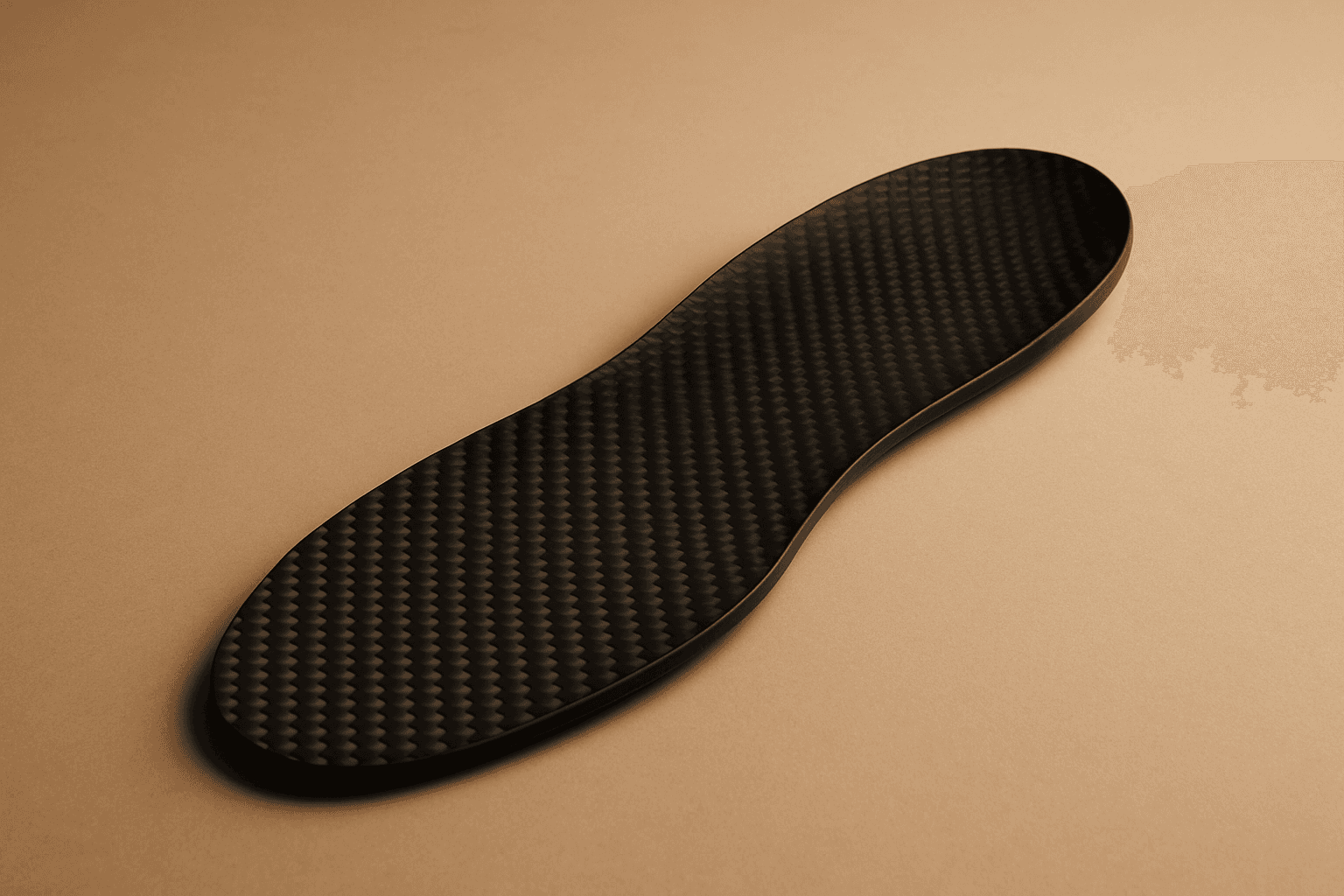
Against the big names: Akusoli sits closer to a Powerstep or Superfeet in arch firmness than to a soft Dr. Scholl's gel insole, but at a lower price and with the trim-to-fit convenience. It doesn't offer the heat-molding of a Currex or the carbon plate of a VKTRY, and it isn't trying to. For heel and arch comfort in everyday shoes, it's the right amount of insole for most people. Full comparisons live in our insoles hub.
Frequently asked questions
Do Akusoli insoles help with plantar fasciitis?
They can help with the symptoms most people describe — morning heel pain and arch fatigue — because the firm arch and deep heel cup change how the foot loads with each step. That's the same mechanism every supportive insole relies on. They don't cure anything, and stubborn pain still deserves a clinician's exam. See our plantar fasciitis guide for the full picture, including stretches that pair well with an insole.
Do the magnets in Akusoli insoles actually do anything?
There isn't good clinical evidence that static magnets in an insole reduce pain, and we didn't score Akusoli on them. The support geometry is what earns the score. Treat the magnets and acupressure nodes as a comfortable texture, not a treatment.
How do I trim Akusoli insoles to fit my shoe?
Remove the insole that came with your shoe, lay it on top of the Akusoli lining up the heels, trace the toe outline, and cut with sharp scissors. Cut a little outside the line first and test the fit; you can always trim more. One pair can be trimmed to one shoe size, so buy a pair per size if you need them in very different shoes.
Can I wear Akusoli insoles all day?
Yes, once your feet have adjusted. Ease in over about a week — a few hours the first couple of days, then a half day, then full days. If you're coming from flat insoles the raised arch and nodes feel like a lot at first; that fades.
Do Akusoli insoles fit in work boots and dress shoes?
They're full-length and trimmable, so they fit most closed shoes: sneakers, work boots, walking shoes, casual flats with a removable insole. Very shallow dress shoes and shoes with glued-in insoles can get tight; a thinner three-quarter insole is the better call there.
How much do Akusoli insoles cost and where do you buy them?
Akusoli sells directly through its own site, typically around $29.99 a pair with multi-pair discounts at checkout. It isn't stocked in stores. Our links go to the official order page; prices and offers there are the ones that apply.
How long do Akusoli insoles last?
With daily wear expect roughly six to twelve months before the foam packs down and the arch loses some of its firmness, which is typical for a foam-based insole. Rotating two pairs between shoes extends that. Replace them when the heel cup flattens or the arch no longer feels distinct.
HeelCups is reader-supported. If you buy through links on this page we may earn a commission from the retailer at no extra cost to you. Illustrative studio images. Akusoli insoles are a comfort and support product, not a medical device; results vary and nothing here is medical advice. Talk to a clinician about persistent foot pain.
More reviews you might like
HIGH ARCHES
Insoles for High Arches: What Supports a Rigid Foot and What Only Looks Supportive
ORTHOTICS VS INSOLES
Orthotics vs Insoles: What the Words Actually Mean and When You Need Each
INSOLES FOR PF
Insoles for Plantar Fasciitis: The Features That Actually Change Morning Pain
CARBON FIBER