JOINT FLARE
Gout in the Foot: What an Attack Feels Like and What to Do First
A sudden, hot, swollen big toe joint at 2 a.m. is the classic picture. Here is how gout differs from look-alike foot pain, what eases the flare, and why a first attack deserves a clinician.
Gout in the foot usually announces itself abruptly: a joint, most often the base of the big toe, becomes intensely painful, swollen, warm and red, often overnight. Even the weight of a bedsheet can feel unbearable. If that describes you and it is a first episode, the sensible move is to contact a doctor promptly rather than guess, because a gout attack can look very similar to an infected joint, and an infected joint needs urgent treatment.
Gout happens when uric acid builds up in the blood and forms needle-like crystals in a joint, which the body reacts to with sharp inflammation. Mayo Clinic describes attacks as often striking suddenly, frequently at night, with the big toe feeling as if it is on fire. Attacks can also involve the ankle, midfoot, knee and other joints, and they tend to peak within hours and then fade over days to a couple of weeks, though they often return.
This page covers how to tell gout from other causes of a sore, swollen foot, what people commonly do to get comfortable during a flare, and what to ask a clinician about so attacks become less frequent. It is general information, not a diagnosis.
How gout feels different from other foot pain
Most overuse problems build gradually and ease with rest. Gout is typically the opposite: pain can go from nothing to severe in a matter of hours, the joint looks inflamed, and the skin over it may be shiny, tight and warm to the touch. The big toe joint is the classic target, though the instep, ankle and heel area can be involved too.
Look-alikes include a bunion flare (see our bunions guide), general big toe joint pain from arthritis or a jammed joint, a bone injury, cellulitis (a skin infection) and a septic joint. Warmth and redness with fever or feeling generally unwell is a reason to be seen the same day, because infection is on that list. A sore, red, hot joint with no injury is never something to wait out for weeks.
Why attacks happen
Gout is linked to high uric acid, which can reflect genetics, kidney function, certain medicines such as some water pills, being overweight, and diet and drinking patterns. Triggers people commonly report include heavy alcohol use (beer in particular), large servings of red meat or shellfish, sugary drinks, dehydration, a recent illness or surgery, and a sudden change in medication.
Having a trigger does not mean you caused your own attack, and a single risk factor rarely explains it. That is why the useful question for a clinician is not what to blame but what your uric acid level and kidney function look like and whether anything you take is nudging them up.
What to do during a flare
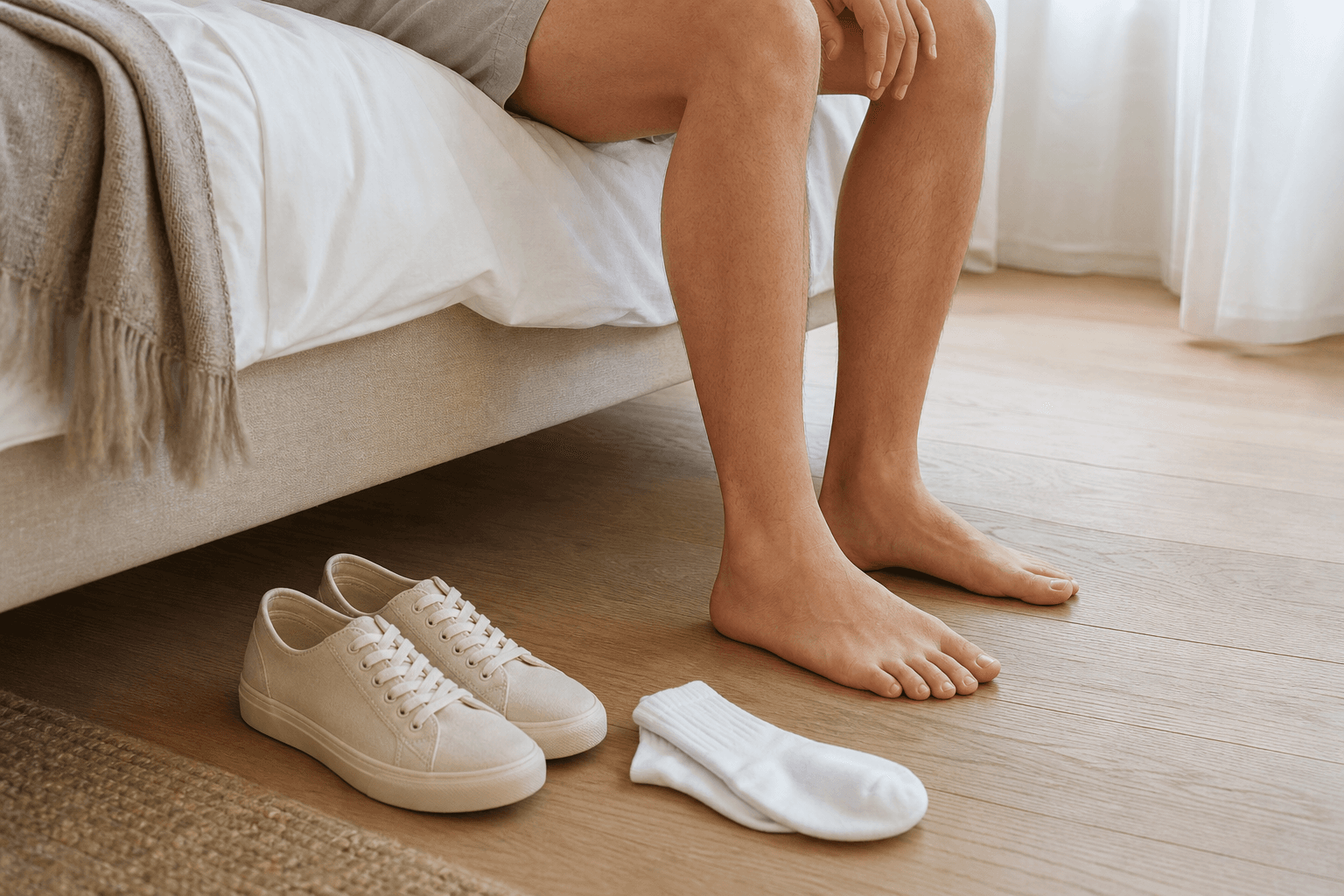
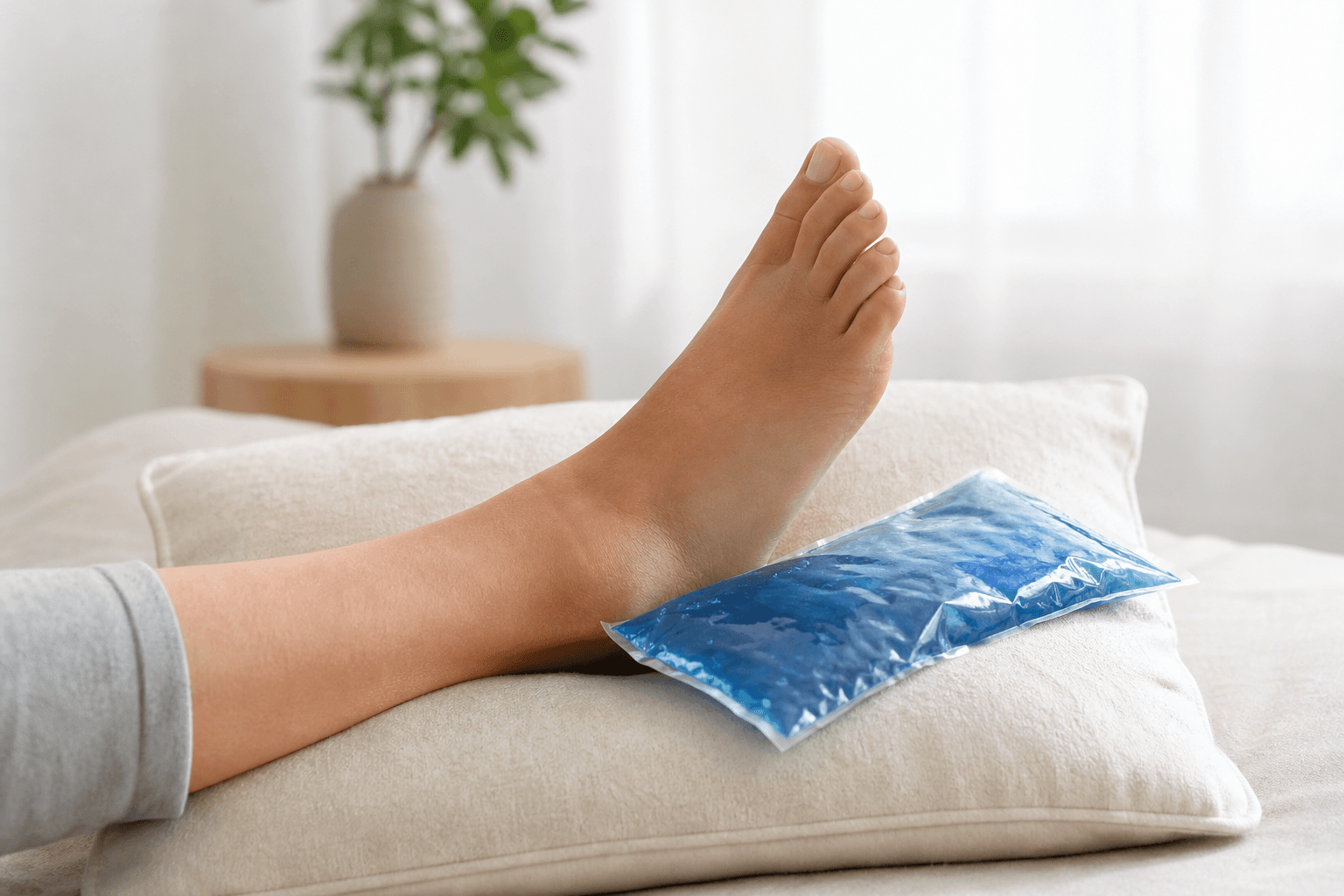
Rest the foot and keep it raised when you can. Wrap a cool pack in a cloth and apply it for about 10 to 15 minutes at a time; many people find cold more comfortable than heat on an inflamed joint. Drink water, and keep the foot clear of pressure by loosening laces or switching to a wide, soft shoe or an open slipper. A bed cradle or a pillow tent keeps sheets off the toe at night.
Over-the-counter pain relievers are widely used, but they are not right for everyone, particularly with kidney, stomach, heart or blood-thinner issues. Ask a pharmacist or doctor which one is safe for you, and do not stop or change prescription medicines yourself. Do not massage or squeeze the joint, and do not attempt to stretch through it.
Prescription options exist for attacks, and a clinician can choose among them based on your health. The earlier a flare is addressed, the better these tend to work, which is another reason not to sit on a first episode.
Between attacks: the long game
After a confirmed diagnosis, clinicians often discuss lifestyle changes (limiting alcohol and sugary drinks, steady hydration, gradual weight management) and, for people with recurring attacks, long-term medicines that lower uric acid. This is a medical decision with blood tests and follow-up, not something shoes or insoles can manage. Untreated gout can lead to joint damage, so it is worth following up even when the pain has gone.
Footwear still matters for comfort. A roomy toe box, a soft upper and a cushioned, slightly rockered sole reduce pressure on a tender big toe joint. Our guide to rocker-sole shoes explains why that shape eases big toe loading.
Questions to bring to your appointment
Go in with a short list: when the attack began and how fast it peaked, whether you had a fever, what you ate and drank in the days before, every medicine and supplement you take (some affect uric acid), and any family history of gout or kidney disease. Ask whether a blood test, a joint fluid sample or imaging is needed to confirm the diagnosis, how to treat a flare early next time, and whether long-term uric acid lowering is worth considering for you. Keep a note of each attack's date and duration; patterns help a clinician decide on prevention.
When to be seen
See a doctor for any first-time hot, swollen joint, and urgently if there is fever, chills, rapidly worsening pain, a red streak, or you cannot bear any weight. See one as well if attacks are recurring, if lumps appear under the skin near joints, or if you have kidney disease or take medicines that affect uric acid. If your foot pain is not like this, our foot pain guides and outside of foot pain page can help you narrow down the cause. Persistent or unexplained foot pain deserves a visit to a doctor or podiatrist.
Browse all foot-care guides
Narrow down other causes of foot pain, from toes to heel.
Browse all foot-care guides →Frequently asked questions
Can gout affect the foot without involving the big toe?
Yes. The big toe joint is the most common site, but the instep, ankle and other joints can be involved, so a hot, swollen midfoot or ankle without injury deserves the same prompt attention.
How long does a gout attack in the foot last?
Untreated attacks often settle over several days to about two weeks. Treated early they can ease sooner. Because attacks tend to recur, the pattern is worth discussing with a clinician.
Is it gout or a bunion?
A bunion is a slowly developing bony bump at the base of the big toe. Gout causes sudden swelling, heat and redness, often overnight. They can coexist, so a sudden change in a bunion joint should be examined.
Can shoes or insoles help gout?
They cannot change uric acid, but roomy, cushioned shoes with a soft upper reduce pressure on a tender joint and can make a flare more comfortable.
Should I see a doctor for a first suspected gout attack?
Yes. Gout can resemble a joint infection, which needs urgent treatment, and a diagnosis opens the door to preventing repeat attacks.
HeelCups is reader-supported. When you buy through links on our site we may earn an affiliate commission, at no extra cost to you. This article is general information about foot comfort and is not medical advice — see our medical disclaimer.