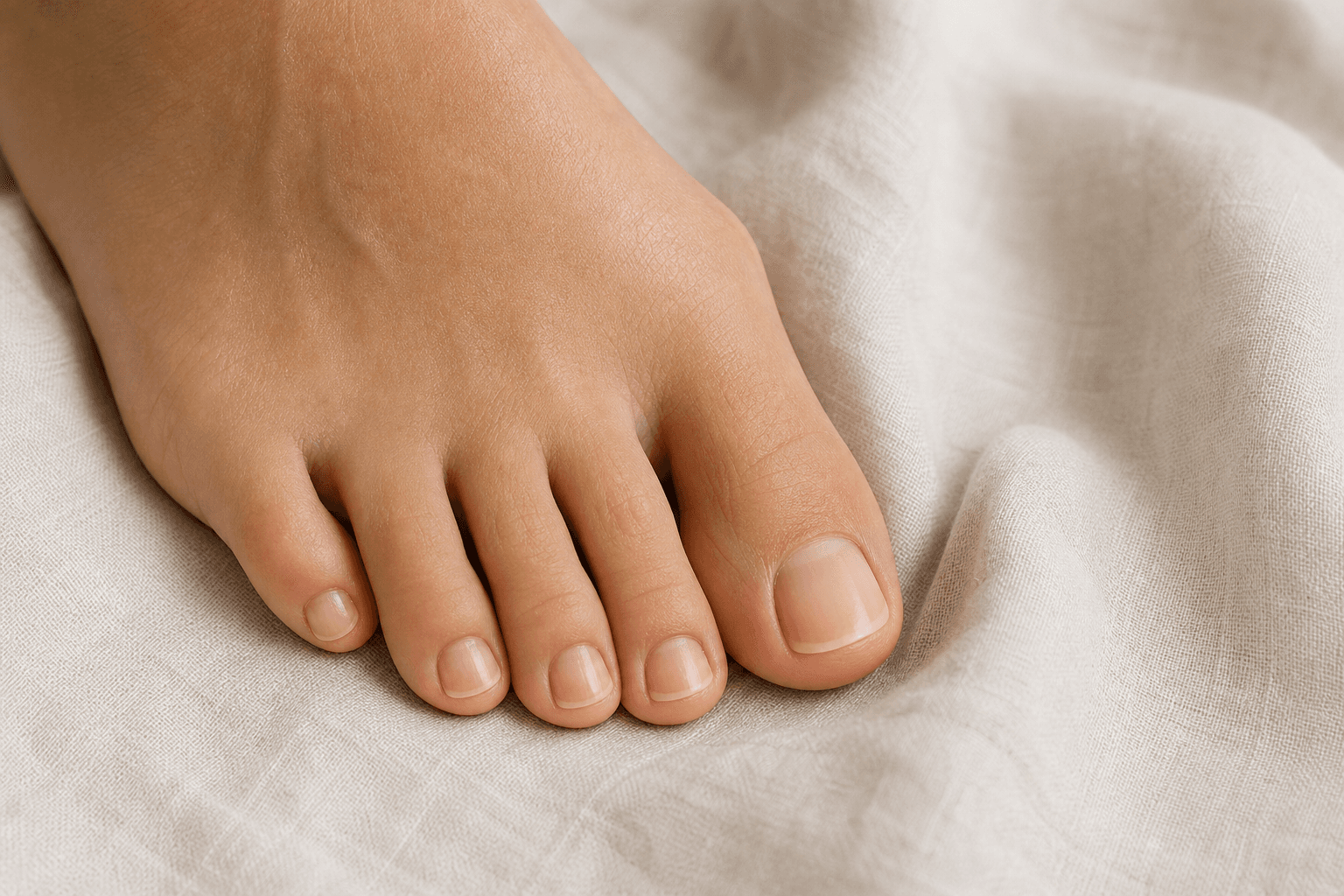
PINKY TOE PAIN
Pinky Toe Pain: Common Causes and What Usually Eases It
A sore little toe is usually down to shoe pressure, a corn or a stubbed toe, but it can also be a fracture or a bunionette. Here is how to tell which and what gives comfort.
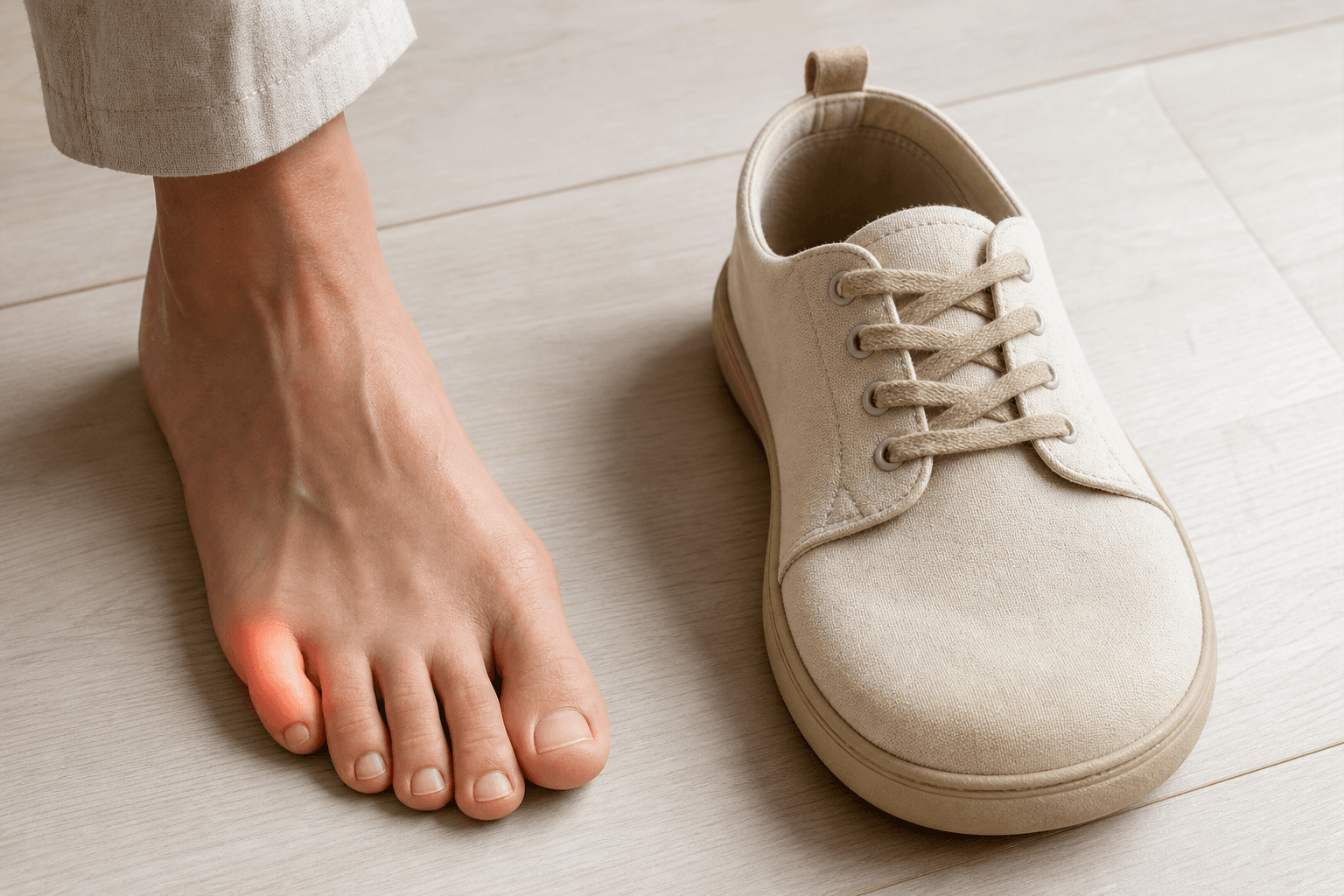
Pinky toe pain most often comes from pressure: shoes that are too narrow squeeze the little toe against its neighbour or the side of the shoe, causing a corn, blister or sore joint. Other common causes are a stubbed or broken toe, a bunionette (tailor's bunion) at the base of the toe, and a bent toe that rubs. Roomier shoes and padding usually bring comfort for pressure problems, while a toe that looks crooked or bruised after an injury should be checked.
Because the little toe sits at the outer edge of the foot, it takes a lot of rubbing. Healthline and podiatry sources list tight footwear as a frequent factor, with fractures, nerve irritation, hammer toe and ingrown nails also on the list. Cleveland Clinic describes a bunionette as a bony bump at the base of the pinky toe caused by extra pressure on the fifth toe joint.
This is general information, not medical advice. If pain lasts more than a few days, the toe looks out of place, or you have diabetes or reduced feeling, see a doctor or podiatrist. For other toes, our guide to toe pain causes covers the whole set.
Shoe pressure, corns and blisters
A hard corn on the outer side or top of the little toe is a thickened patch of skin responding to repeated friction. It can feel like a pebble in the shoe and hurt when pressed. A soft corn can form between the fourth and fifth toes where moisture keeps the skin soft. See corns and calluses for safe care.
Comfort steps: wear shoes with a wide, deep toe box, choose seamless soft uppers, and use a thin gel sleeve or donut pad on the sore spot. Avoid cutting corns yourself or using strong acid products if you have diabetes or poor circulation.
Stubbed or broken little toe
Barefoot stubs against furniture are a classic way to hurt the pinky. Pain, bruising and swelling are the usual signs. A break is more likely if the toe looks crooked, is very swollen or you cannot walk normally. Many toe fractures are managed with buddy taping and supportive footwear, but only a clinician can confirm a break. Pain at the base of the fifth metatarsal, on the outer edge of the midfoot, can be a more significant fracture; see our page on metatarsal stress fractures for related warning signs.
Bunionette at the base of the little toe
A tender bump on the outer edge of the foot near the little toe may be a tailor's bunion. It forms where the fifth metatarsal head presses outward or the toe angles inward, and it hurts mainly where shoes rub. Wide shoes, soft uppers and thin bunionette pads help many people feel comfortable; a clinician can discuss other options if pain persists.
Bent toes, nerves and nails
A little toe that curls under or sits crooked may be a hammer or claw toe, often with a corn on top; see hammer toes. Burning, tingling or numbness suggests a nerve is involved, which has its own causes and deserves a clinician's view. A painful, red nail edge may be an ingrown toenail, and an infection needs medical care sooner rather than later.
Other possibilities
Arthritis can make the small joints of the toe stiff and sore, and gout usually targets the big toe but can affect others; a hot, red, swollen toe with sudden onset should be seen promptly because infection can look similar. Pain with no clear cause that continues for weeks should be assessed rather than guessed at.
What helps day to day
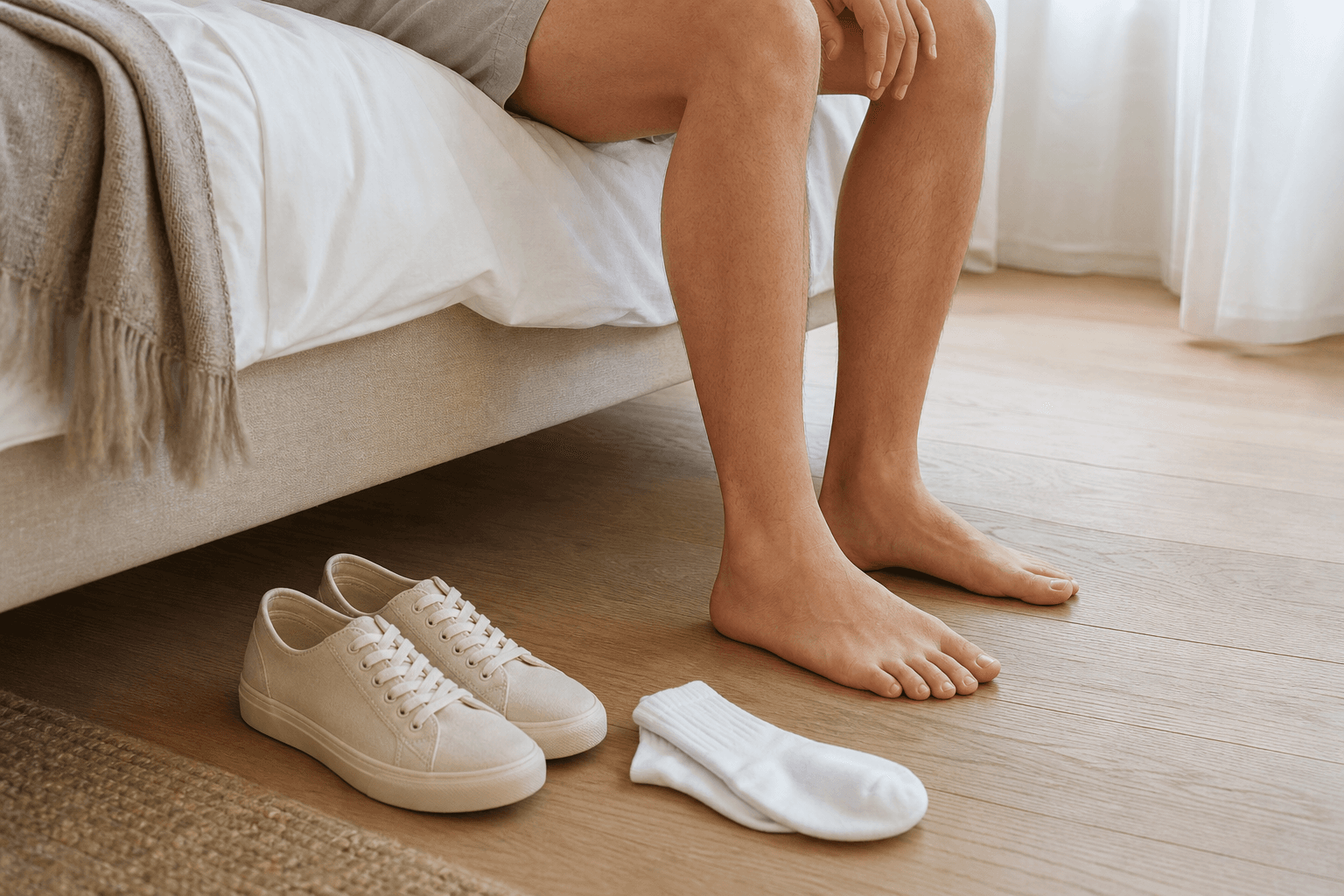
Measure your feet and try shoes late in the day with the socks you wear. Leave room so the little toe lies flat and is not pressed sideways. Switch to a soft, seamless sock without a tight toe seam, and rotate shoes. Toe sleeves or separators can reduce rubbing, though they will not reshape bone.
Ice a sore, swollen toe for short periods with a cloth barrier. Stop activities that sharpen the pain and give it time.
Check the inside of your shoes too. A raised seam, a worn lining or a stiff edge at the outer forefoot can rub the same spot every day, and swapping to a softer pair for a week is a quick way to see whether the shoe is the culprit. Socks matter as well: thick, bunched or damp socks add friction, while thin moisture-wicking ones reduce it. If one shoe is clearly tighter on the sore side, a cobbler can sometimes stretch it locally.
When to see a doctor or podiatrist
Book an appointment if there is a visible deformity, severe bruising, fever, spreading redness, pus, open skin, numbness, or if pain persists beyond a few days to a couple of weeks despite wider shoes. People with diabetes or circulation problems should seek care early for any toe sore or wound.
Explore the foot care hub
More guides on toes, skin, nails and everyday foot comfort.
Explore the foot care hub →Frequently asked questions
Why does my pinky toe hurt when I walk?
Pressure from narrow shoes, a corn, a bunionette or a recent stub are the usual reasons. A wider toe box and padding often help, but persistent pain should be checked.
How can I tell if my pinky toe is broken?
Signs include pain, bruising, swelling and sometimes a crooked look. Only an exam or X-ray can confirm it, so get checked if you suspect a break.
Can shoes cause a bump near the little toe?
Narrow shoes can aggravate a bunionette, but the bump involves bone alignment. Roomier shoes reduce rubbing and soreness.
Is buddy taping safe?
Taping a toe to its neighbour is commonly used for minor toe injuries, with padding between toes. Check with a clinician if it is badly swollen or deformed.
When is pinky toe pain an emergency?
Seek urgent care for a deformed toe after injury, signs of infection such as spreading redness or fever, or any wound if you have diabetes.
HeelCups is reader-supported. When you buy through links on our site we may earn an affiliate commission, at no extra cost to you. This article is general information about foot comfort and is not medical advice — see our medical disclaimer.