SWOLLEN FEET & THE HEART
Swollen Feet and Heart Failure: The Warning Signs That Mean Call a Doctor
Most puffy feet are harmless, but swelling that comes with breathlessness, quick weight gain or trouble lying flat can point to the heart. Here is how to tell the difference and what to do next.

Swollen feet can be a sign of heart failure, but on their own they rarely are. Heart failure means the heart is not pumping as efficiently as the body needs, so fluid backs up and can collect in the feet, ankles and legs. The pattern that matters is swelling that shows up alongside other changes: shortness of breath, quick weight gain, tiredness, or needing extra pillows to breathe comfortably at night. If you notice that combination, contact a doctor promptly rather than waiting to see if it settles.
The American Heart Association lists swelling (edema) of the feet, ankles and legs, weight gain, shortness of breath, persistent coughing and fatigue among the common signs of heart failure. None of those is specific to the heart. Long days on your feet, hot weather, salty food and many medicines can also make feet swell, which is why this page is about recognising a pattern, not diagnosing yourself.
This is general information, not medical advice, and no sock, soak or insole changes the underlying cause of swelling. For the everyday explanations, start with our guide to swollen feet; this page covers the cardiac warning signs. If you are unsure, call a doctor. If you have chest pain, severe breathlessness or fainting, call emergency services.
How heart-related swelling usually looks
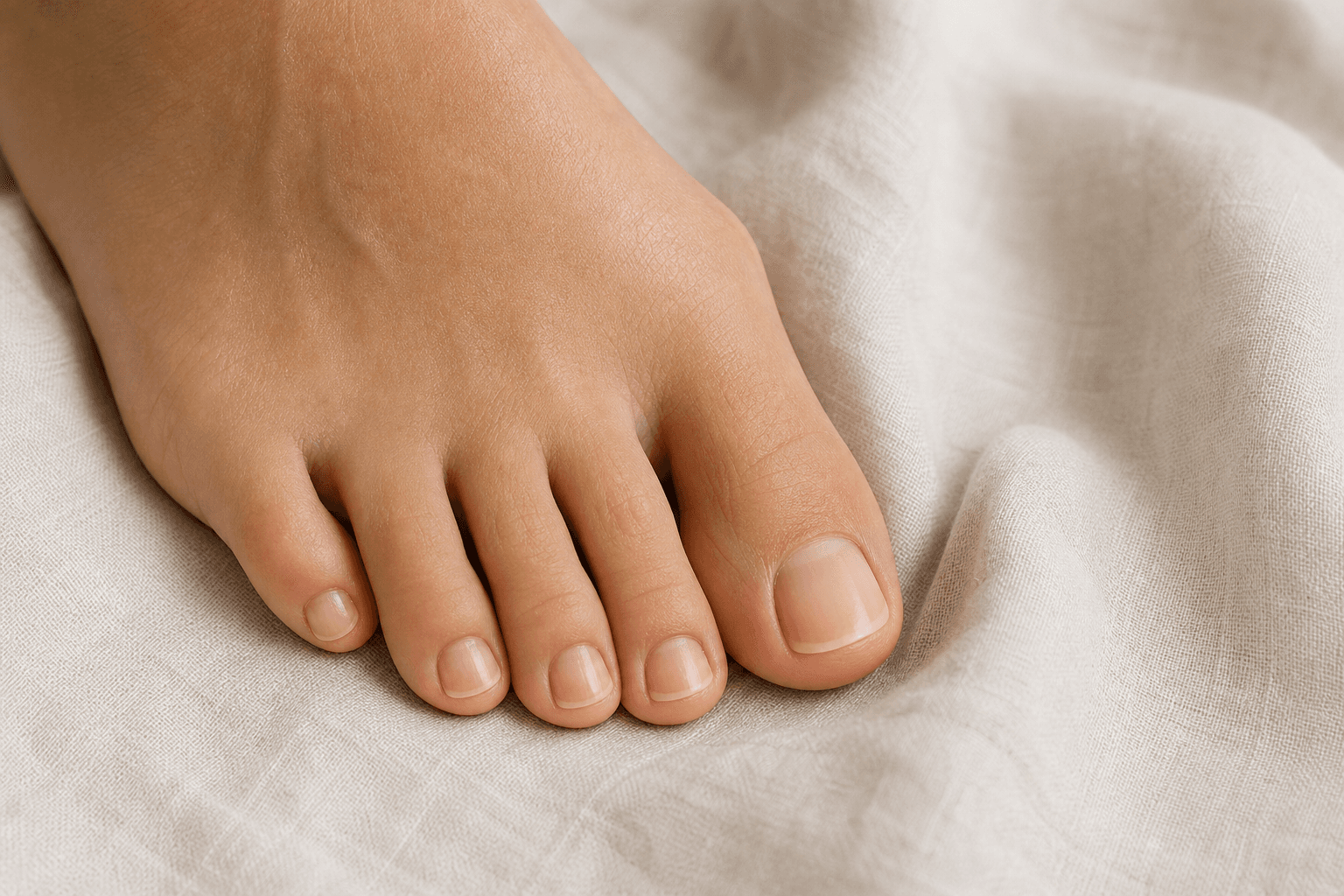
When the heart cannot keep up, fluid tends to settle where gravity pulls it. In someone who is up and about that means the feet, ankles and lower legs; in someone who spends much of the day in bed it can collect around the lower back instead. Both feet and both legs are usually affected, though not always equally.
Doctors often describe pitting edema: press a thumb firmly into the swollen area for a few seconds and a dent remains after you lift it. Pitting is a useful thing to report, but it also happens with other causes such as kidney, liver or vein problems, so it does not point to the heart by itself.
Socks leaving deep marks around the ankle, shoes that suddenly feel tight and swelling that is worse by evening are all common descriptions. Again, they are common in harmless swelling too, which is why the other symptoms below carry more weight.
The signs that make swelling more concerning
The AHA's warning-sign list pairs swelling with breathing and energy changes. Pay attention to shortness of breath with ordinary activity or when lying flat, waking at night breathless or coughing, needing more pillows to sleep, a persistent cough or wheeze, unusual tiredness, dizziness, and a bloated or full feeling in the stomach.
Rapid weight gain is another one. Clinics that care for people with heart failure, such as University of Maryland Medical Center's health library, describe weight gain over a few days as often the first sign that the body is holding extra water and salt. If you have a heart condition, your care team will usually give you a specific number of pounds that should prompt a call; follow their advice rather than a general rule.
Swelling that is sudden, affects only one leg, or comes with pain, warmth or redness in the calf is a separate emergency pattern, because it can signal a blood clot. Do not wait on that one.
Everyday causes that look similar
Most swollen feet are not cardiac. Standing or sitting for hours, flying, hot weather, high-salt meals, hormonal changes and pregnancy are common causes; see swollen feet during pregnancy for that case. Some prescription medicines, including certain blood pressure drugs, can cause ankle swelling as a side effect, and so can kidney disease, liver disease and weak leg veins.
Diabetes adds its own considerations, since swelling, numbness and skin changes can overlap; our page on peripheral neuropathy and the one on diabetes and heel pain cover the foot side of that. Because so many conditions overlap, a clinician usually sorts them out with a physical exam, a medication review and sometimes blood tests, an ECG or an echocardiogram.
What to do in the meantime
Do not start new diuretics, restrict fluids sharply or change prescribed medicines on your own. Instead, write down what you notice: when the swelling appears, whether it is both sides, how your weight has moved, and whether you have breathing symptoms. That record makes the appointment far more useful.
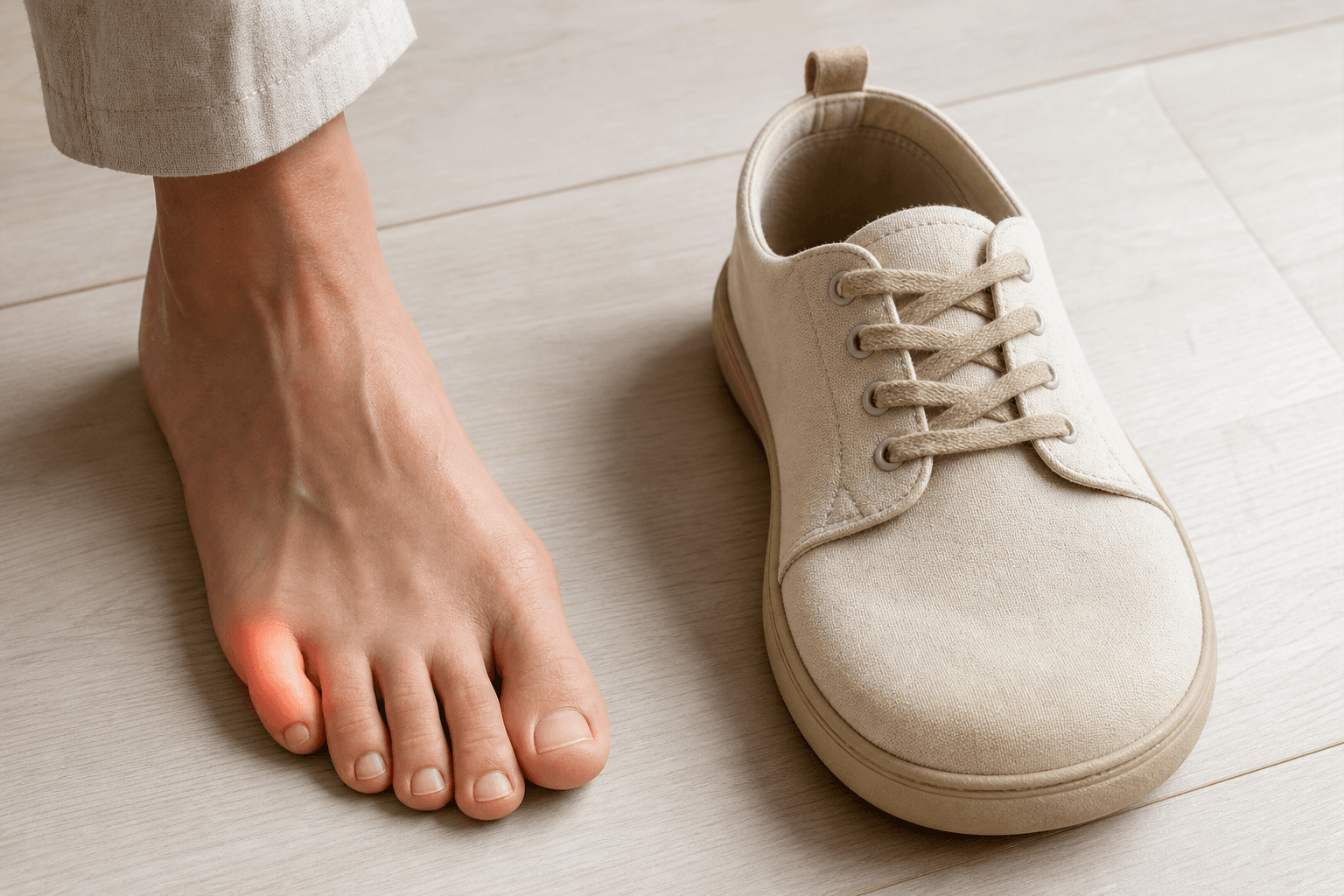
Comfort measures can sit alongside medical care, not replace it. Raising the feet when you rest, breaking up long periods of sitting or standing with short walks, and wearing roomy, supportive shoes tend to ease the heavy feeling. Graduated compression socks are popular for tired, puffy legs, but check with your doctor first if you have heart failure, poor circulation or reduced feeling in your feet, because compression is not right for everyone.
Many people with a diagnosed heart condition are also told to watch salt intake. That advice is individual, so ask your care team what applies to you.
When to seek care, and how fast
Call emergency services for chest pain or pressure, severe shortness of breath, fainting, coughing up pink or frothy mucus, or sudden swelling in one leg with chest symptoms. Book a prompt appointment, ideally the same or next day, for new swelling in both legs with weight gain or breathlessness, or for swelling that is clearly getting worse over days.
Make a routine appointment if you have had mild swelling for weeks without other symptoms; it still deserves a check, particularly if you have high blood pressure, diabetes, kidney disease or a family history of heart problems.
Explore the foot care hub
More guides on circulation, socks and everyday foot comfort, plus when to see a clinician.
Explore the foot care hub →Frequently asked questions
Can swollen feet be the only sign of heart failure?
It is uncommon. Swelling alone has many everyday causes. Heart failure is more likely when swelling comes with breathlessness, fatigue, quick weight gain or difficulty lying flat, but any new or persistent swelling is worth mentioning to a doctor.
Which foot is more swollen in heart failure?
Heart-related swelling usually affects both feet and legs, though one side can look puffier. Swelling in only one leg, especially with calf pain or warmth, can signal a blood clot and needs urgent attention.
How quickly does weight gain matter?
Clinics that treat heart failure describe weight gain over a few days as a warning sign of fluid build-up. If you have a diagnosis, follow the threshold your care team gave you.
Do compression socks help swelling from heart failure?
They can ease swelling in some people, but they are not safe for everyone with heart or circulation problems. Ask your doctor before wearing them if you have heart failure.
Should I raise my feet if they are swollen?
Elevating the feet is a common comfort measure and is generally harmless, but it does not address the cause. If swelling keeps returning, get it assessed.
HeelCups is reader-supported. When you buy through links on our site we may earn an affiliate commission, at no extra cost to you. This article is general information about foot comfort and is not medical advice — see our medical disclaimer.