INGROWN TOENAIL
Ingrown Toenail: Safe Home Care, the Mistakes to Skip and When It Needs a Clinic
A nail edge pressing into the skin is sore but common — here is the gentle soak-and-space routine, the shoe changes that matter, and the signs that mean see someone.
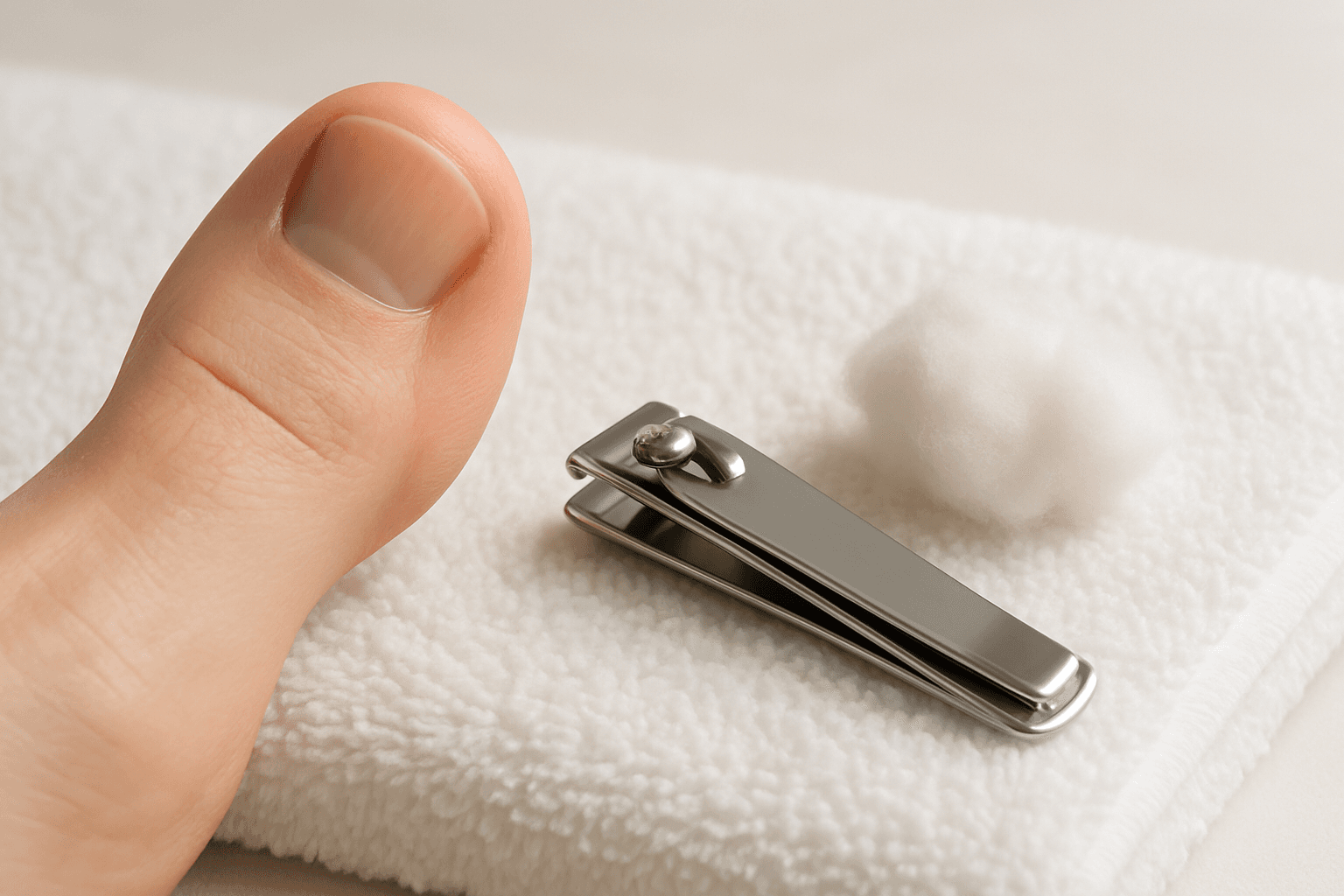
An ingrown toenail happens when the edge or corner of a nail, most often on the big toe, grows into the soft skin beside it. The area becomes tender, swollen and red, and walking in closed shoes can make it throb. Mild cases can often be eased at home in the first few days.
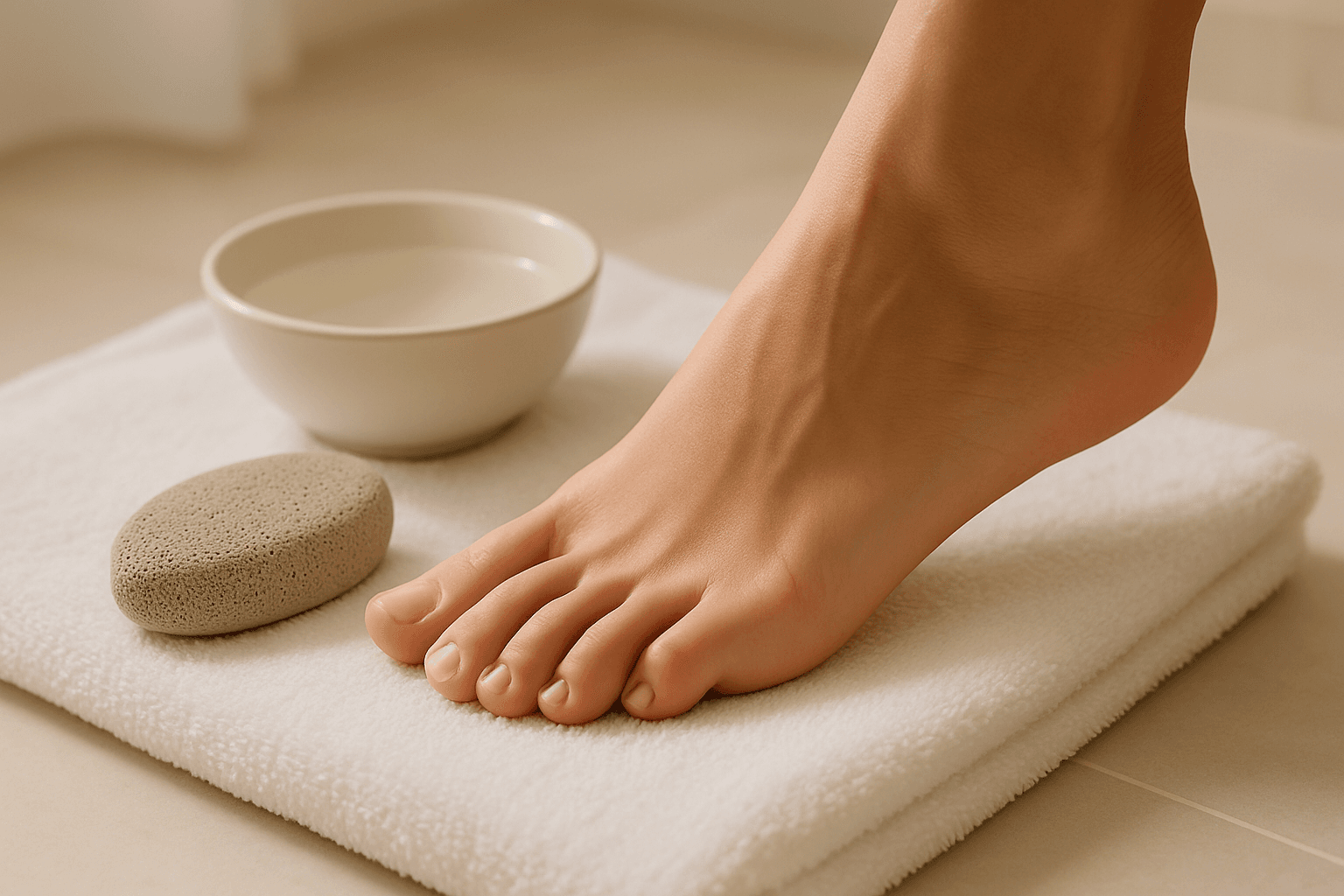
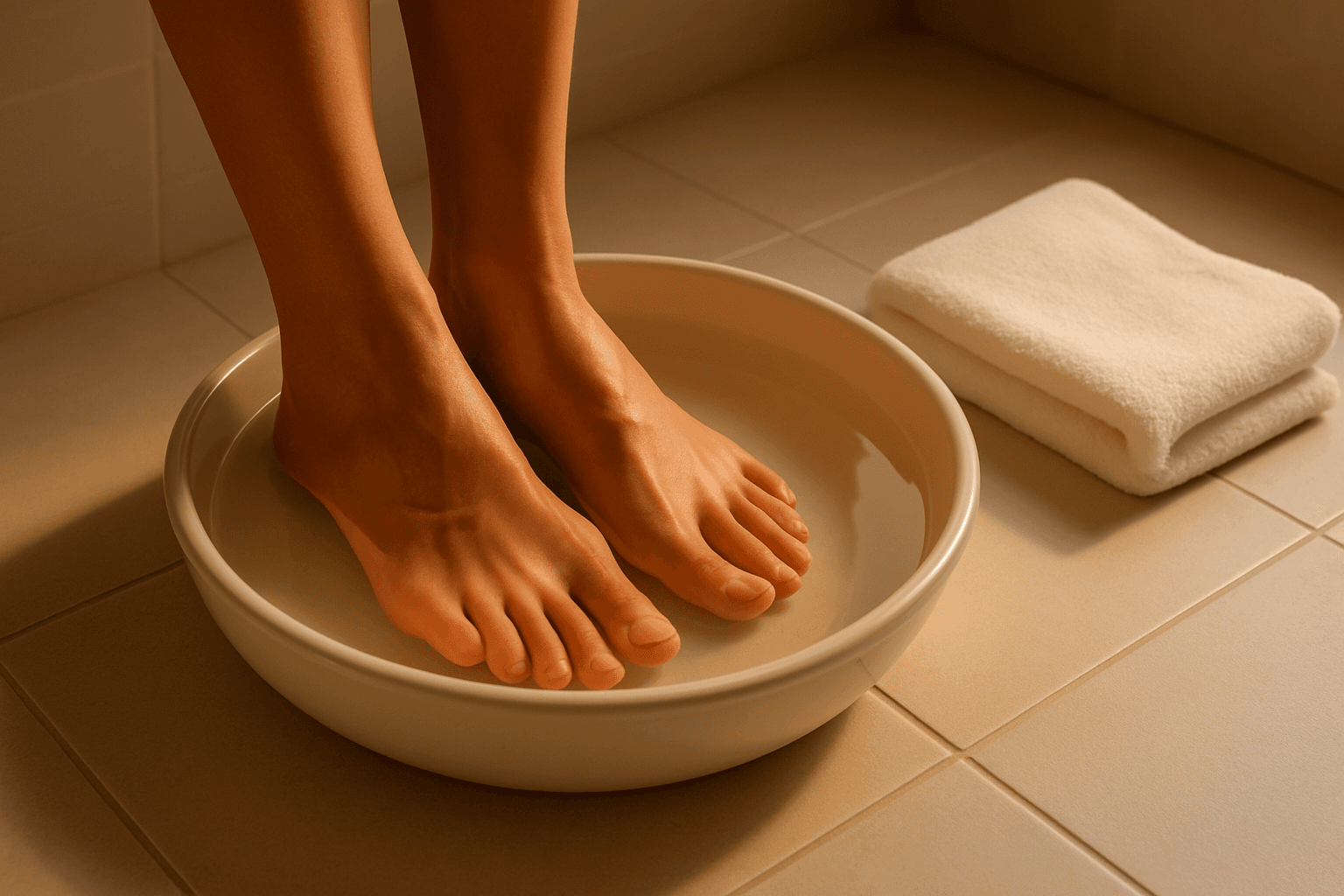
The core home routine is simple: soak the toe in lukewarm water, dry it well, wear roomy shoes, and keep the nail from digging in. Harvard Health recommends lukewarm soaks two or three times a day for about fifteen minutes, and notes there is no scientific evidence that adding Epsom salts improves pain relief.
If it is not improving within a few days, or if you see signs of infection, it is time for a clinician. This is general information, not medical advice.
Why nails grow in
Several habits set up an ingrown nail. Cutting the nail in a rounded curve and too short leaves a corner that can grow into the skin as the nail lengthens. Tight, narrow or pointed shoes press the skin against the nail edge. Stubbing, repeated impact (common in running and football) and socks that squeeze the toes add to it. Some people have naturally curved or thick nails, and it can run in families.
Inherited nail shape means you may be prone even with good habits, which makes prevention a matter of managing the risk factors you can change: nail cutting, shoe fit and moisture.
A gentle home routine for mild cases
If the toe is sore and slightly red but there is no pus, soak it in comfortably warm, not hot, water for about fifteen minutes two or three times a day. Pat it completely dry afterward. Moisture trapped in a closed shoe encourages irritation, so dry between the toes as well.
After a soak, when the skin is soft, you can gently massage the skin at the side of the nail away from the nail edge. Some guides suggest placing a tiny wisp of clean cotton or dental floss under the nail corner to lift it off the skin. If this is uncomfortable, or you cannot see the edge clearly, stop and leave it to a professional. Do not dig into the corner with tweezers or a blade; that can push the nail deeper or open the skin to infection.
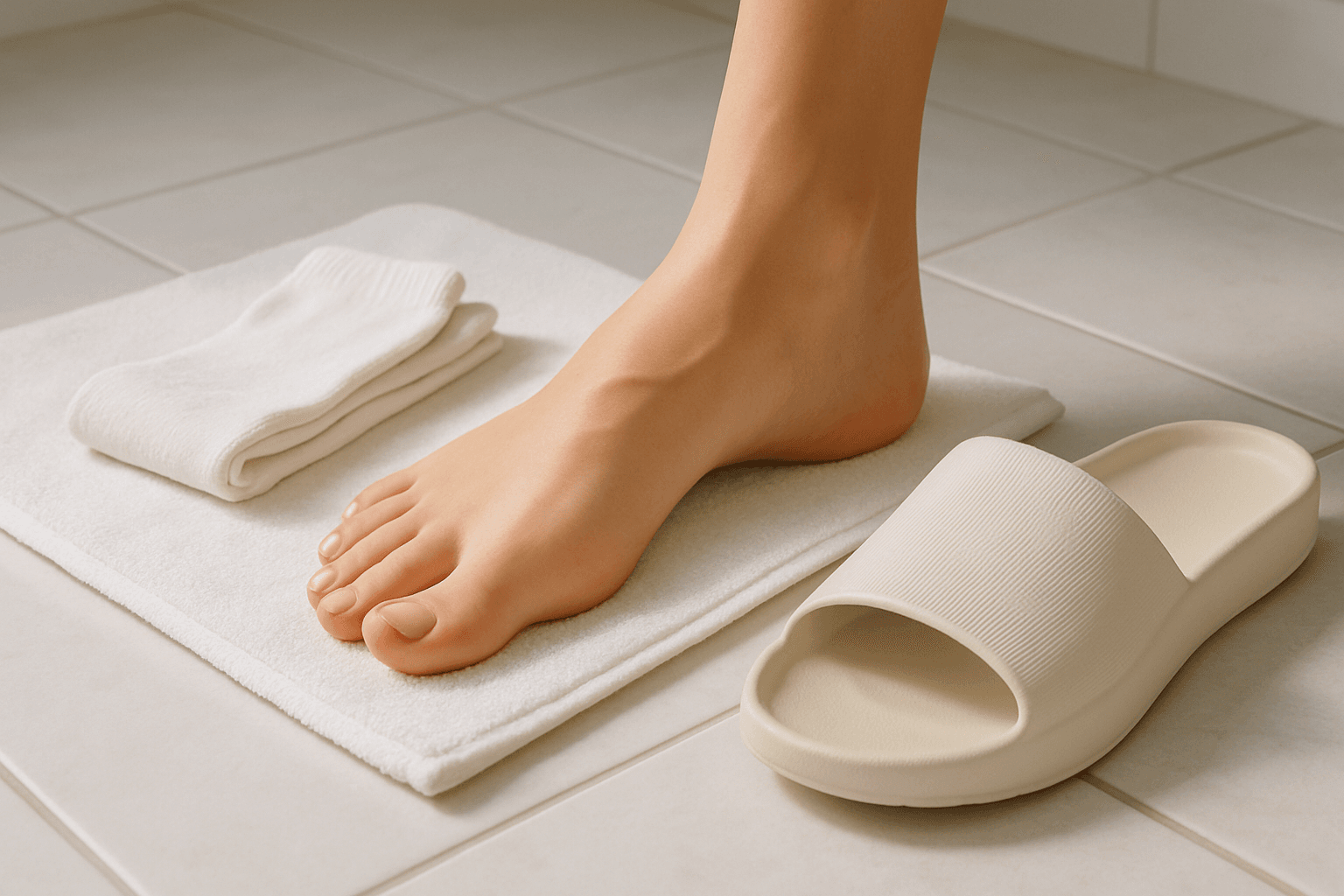
Wear open-toed sandals or very roomy shoes while it settles, and avoid anything that presses on the toe. A simple pad or bandage can keep a sock from rubbing the area. Over-the-counter pain relief may be an option if your doctor or pharmacist says it suits you.
Cutting the nail the right way
Trim toenails straight across, leaving the corners visible and not rounded into the skin. Keep the length so that the nail just clears the end of the toe, not cut down into the quick. Use clean clippers designed for toenails, since regular fingernail clippers struggle with thick nails.
If the nail is thick, discolored or crumbly, fungus may be involved; see our guide to toenail fungus, because thick nails curve more and are harder to trim safely. Do not pick at an ingrown corner, and avoid going to a salon that digs at the sides of nails.
Shoes, socks and insoles that give toes room
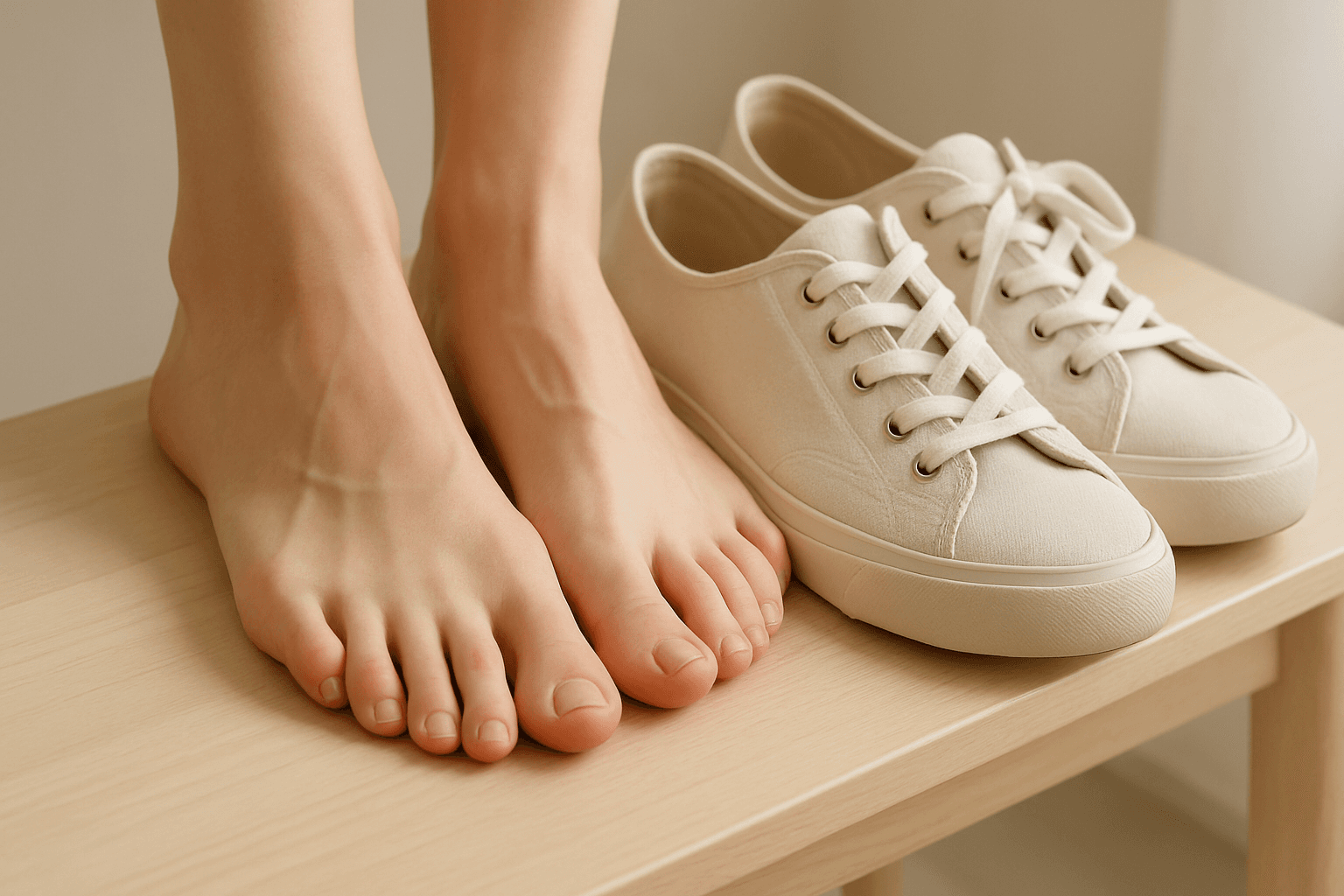
A toe box that is wide and tall enough for the toes to lie flat is the most important prevention step. Press your thumb at the front of the shoe: there should be about a thumb's width between the longest toe and the end. Socks that bunch or are too small pull the nail edge into the skin; choose seamless, moisture-wicking pairs.
Shoes that let the foot slide forward are a quiet culprit. Every step jams the toes into the front, which is common in downhill walking and hiking. A secure fit through the midfoot and heel keeps the foot back; see heel-lock lacing for a lacing method that holds the heel and reduces forward slide.
A supportive insole with a deep heel cup, like the one in our insole review, can help steady the foot in the shoe so the toes are not repeatedly pushed forward, though it will not alter the shape of a nail. If you have a bunion or crowded toes, the nail edges are squeezed too, so roomier shoes matter even more.
Warning signs and when to see a clinician
Seek care promptly if you see pus or drainage, increasing redness that spreads, throbbing pain that is getting worse, a warm toe, or if you develop a fever or red streaks. Several sources suggest booking an appointment if there is no improvement after about three days of home care, or sooner if it worsens.
If you have diabetes, poor circulation or reduced sensation in your feet, skip home care and see a clinician early, because an infection can progress faster and be harder to notice.
A doctor or podiatrist can lift the nail edge, remove the offending piece under local anesthetic, and prescribe medication for an infection when needed. If the problem keeps recurring on the same toe, a partial nail procedure may be discussed. For more skin and nail topics, see the foot care hub. Persistent pain that has not eased with honest home care deserves a doctor or podiatrist.
Browse foot care guides
Skin, nail and sock guidance for the whole foot — comfort, support and relief, honestly written.
Browse foot care guides →Frequently asked questions
How long does an ingrown toenail take to get better?
Mild cases often settle over days to a couple of weeks with soaks and roomy shoes. If there is no improvement after about three days, or it gets worse, see a clinician.
Should I add Epsom salt to the soak?
Harvard Health notes there is no scientific evidence that Epsom salts improve pain relief, so plain lukewarm water is enough.
Can I cut out an ingrown nail myself?
It is best not to. Digging into the corner can push the nail deeper or cause infection. A podiatrist can remove the problem edge safely, often with local anesthetic.
What are the signs of an infected ingrown toenail?
Pus or drainage, spreading redness, warmth, worsening throbbing, fever or red streaks. These need prompt care from a doctor.
How should I trim my toenails to prevent ingrowns?
Cut straight across, leave the corners visible, and keep the nail just long enough to clear the end of the toe. Avoid rounding the corners or cutting very short.
Can tight shoes cause an ingrown toenail?
Yes. Narrow, short or pointed shoes press the skin against the nail edge, and a foot that slides forward in the shoe jams the toes. Wider shoes and a secure heel fit help.
HeelCups is reader-supported. When you buy through links on our site we may earn an affiliate commission, at no extra cost to you. This article is general information about foot comfort and is not medical advice — see our medical disclaimer.