PREGNANCY
Heel Pain During Pregnancy: Why It Flares, What Helps, and When to Call a Clinician
Pregnancy is one of the most predictable windows for a first plantar fasciitis flare — weight, hormonal ligament laxity and a lower arch all land at once. Here is the gentle, pregnancy-safe plan that calms most cases.
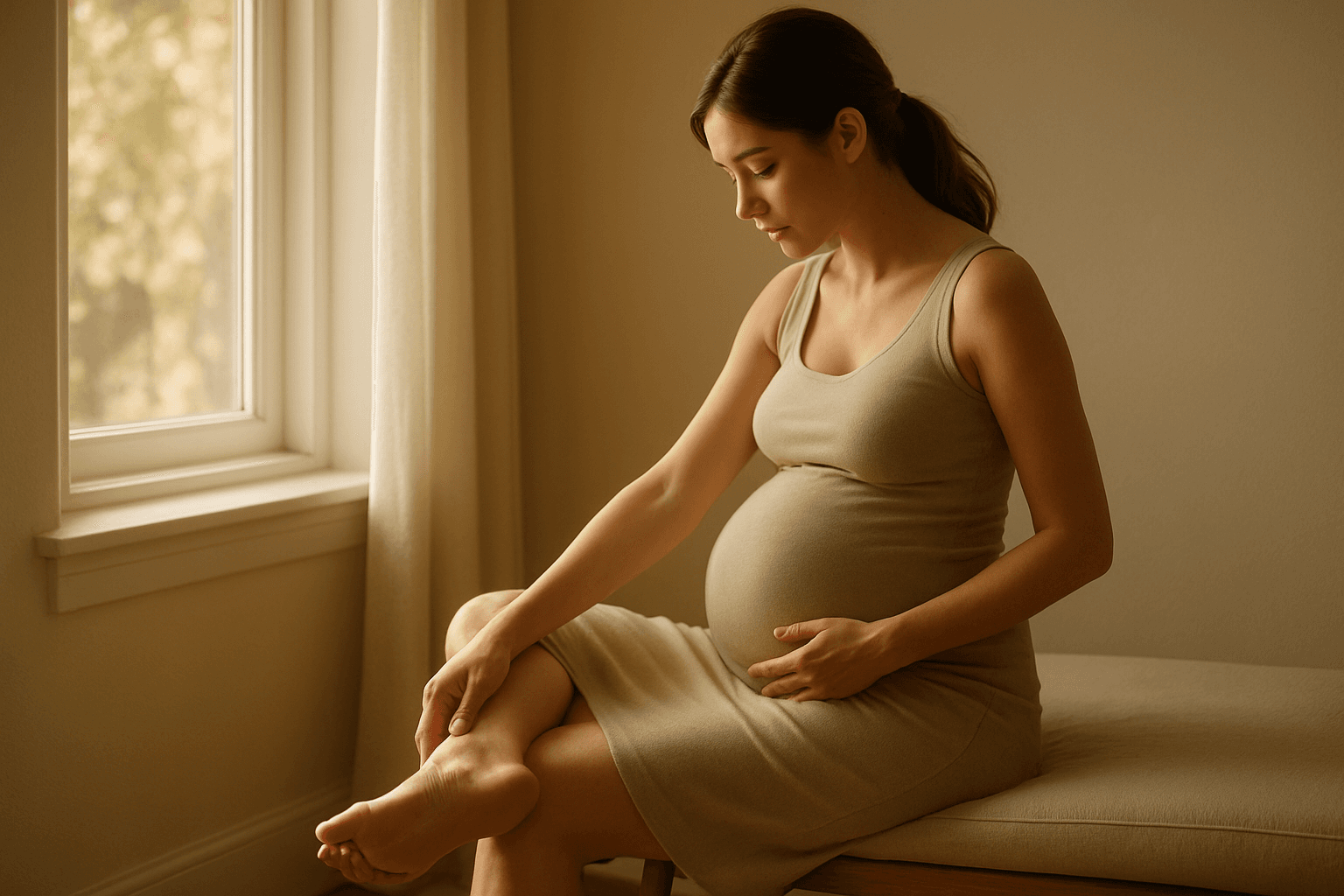
Pregnancy is one of the most predictable windows for a first plantar fasciitis flare, and heel pain that starts somewhere between the second trimester and the first month postpartum is one of the most common foot complaints obstetricians and physical therapists see. The combination of a steady weight gain over nine months, the hormonal softening of ligaments that lets the pelvis widen and incidentally softens every ligament in the body, and a resting arch that visibly flattens for most pregnant feet by month six adds up to a fascia under more stretch and more load than it has ever met before. The useful news is that pregnancy heel pain follows a predictable pattern, calms with a gentle plan that is safe through all three trimesters, and resolves for most readers in the first few months postpartum.
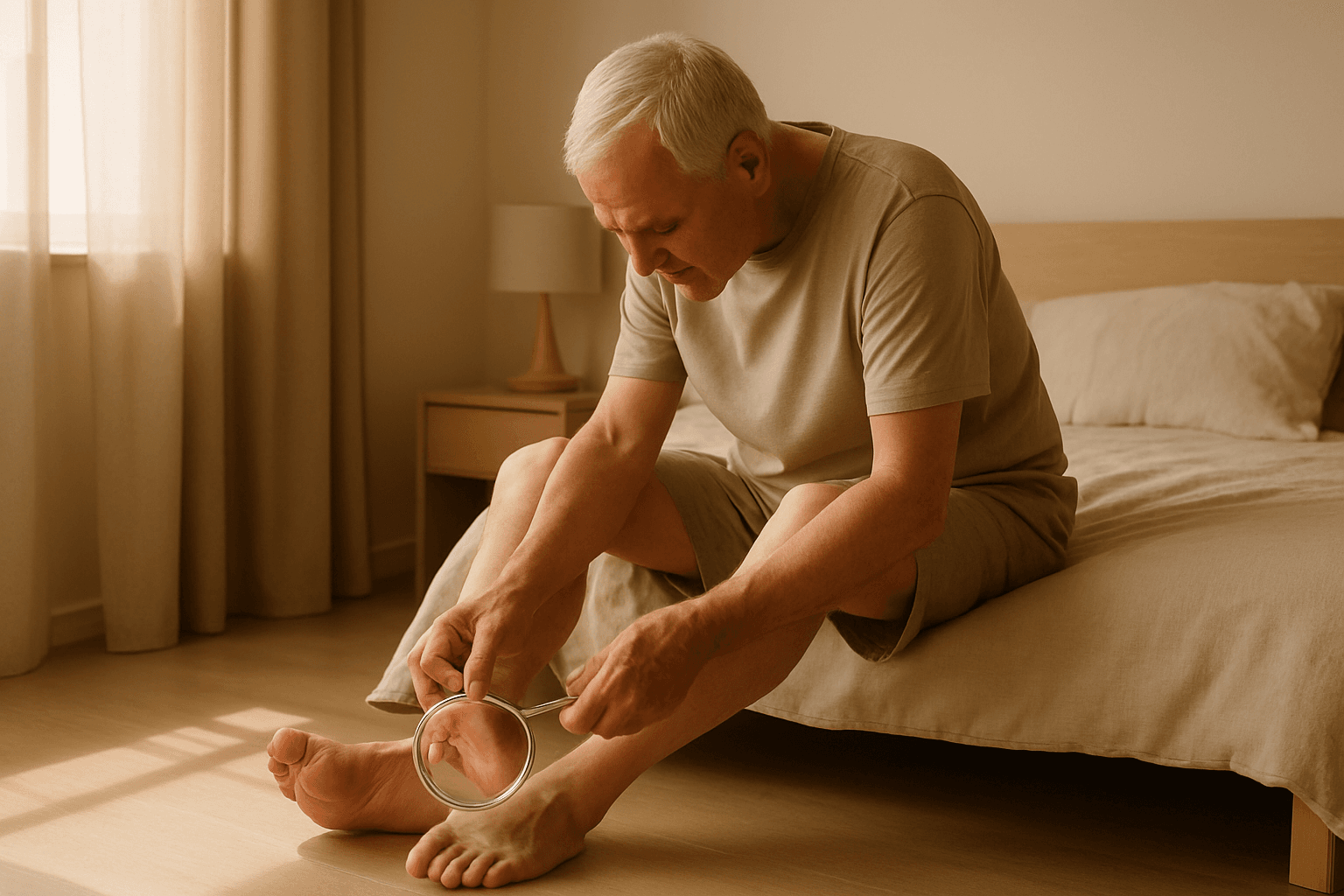
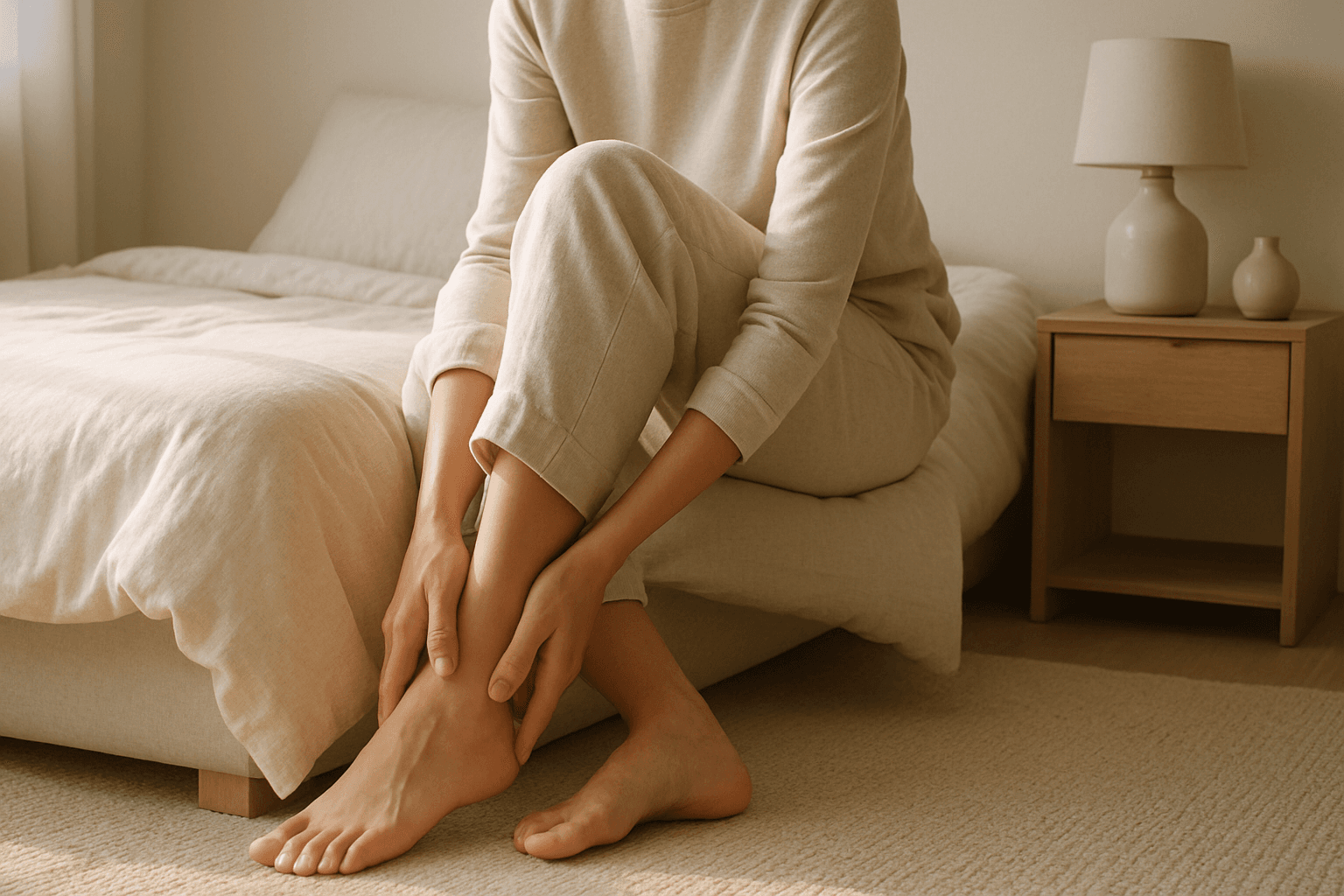
The classic story runs like this: the second trimester brings the first pang on morning first steps, often around week eighteen to twenty-two. By the third trimester the pang has become a reliable morning stab and an end-of-day ache, worst after an afternoon of standing or an errand on hard store floors. In the first weeks postpartum the pain often continues or briefly worsens, because body weight is still elevated, sleep is broken, and new parents spend their days barefoot on hardwood pacing with a newborn. For most readers, the fascia settles over the first three to six months postpartum as weight normalizes, ligaments tighten, and the arch rises back toward its pre-pregnancy shape. For a subset, the arch does not fully return and the heel pain can persist — which is a legitimate reason to see a physical therapist or a podiatrist rather than wait out another year.
Nothing on this page is medical advice, and pregnancy adds a layer to any foot pain decision. The right people to coordinate care are your obstetrician or midwife and, when needed, a physical therapist with experience in pregnancy and postpartum care. This page is to help you walk into those visits with the right questions and to put the gentle daily plan in place now. Every recommendation on this hub is written for comfort, support and relief; nothing on this site is a treatment or a cure for a foot condition.
Why pregnancy triggers heel pain so reliably
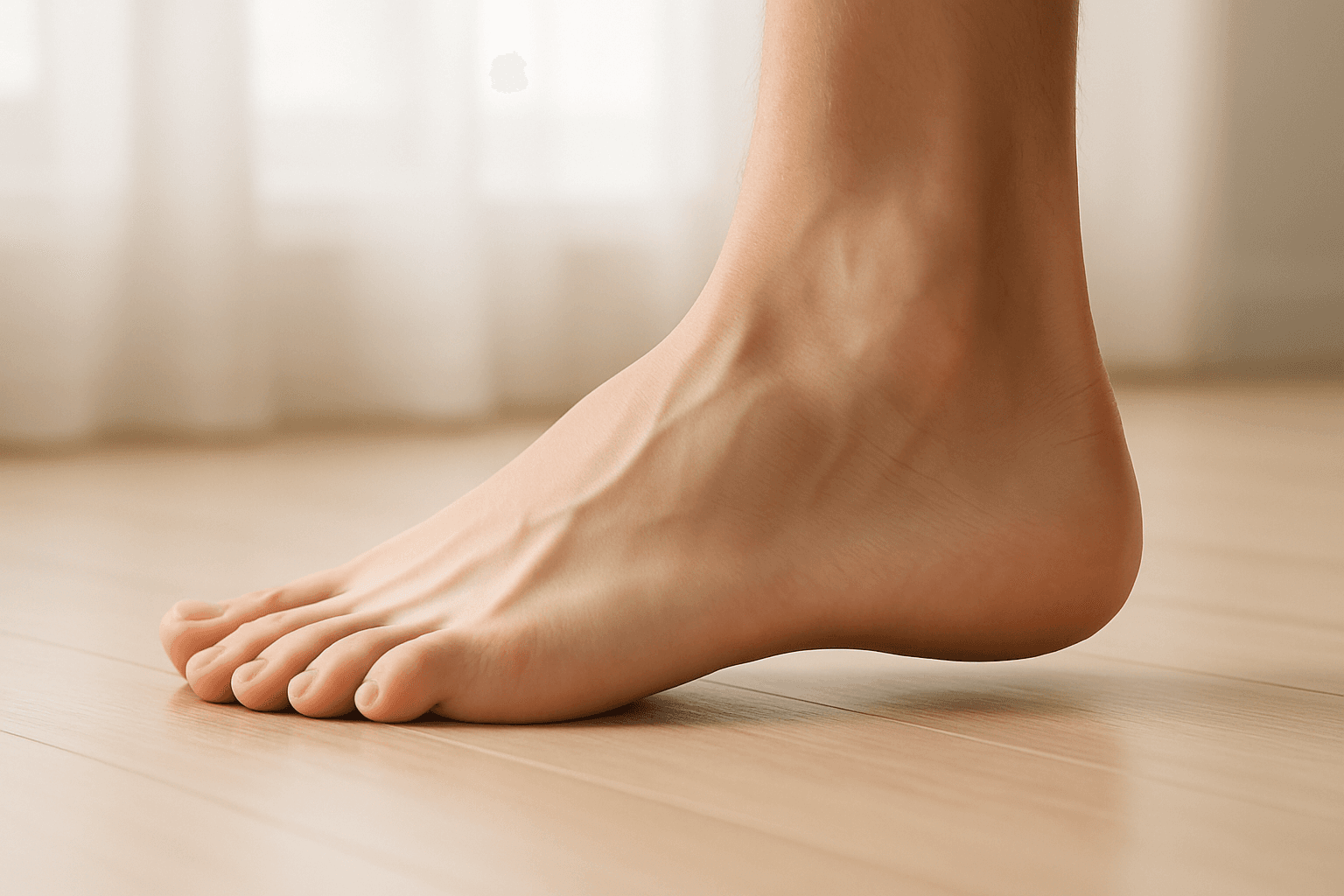
Three overlapping mechanisms do most of the work. The first is weight: a pregnancy weight gain of twenty-five to thirty-five pounds is typical, and that load lands on the arches, the fat pads and the plantar fascia with every step from month four onward. The fascia is a passive structure that was comfortable at pre-pregnancy weight; it meets the extra load without any conditioning plan. The second is hormones: relaxin and progesterone soften ligaments throughout the body to allow the pelvis to widen for delivery, and the same softening affects the small ligaments that hold the arch's bones in place. The arch rests a few millimeters lower, the fascia takes up the slack, and the working stretch under each step gets longer. The third is biomechanics: a growing belly shifts the center of mass forward and widens the standing base, which asks the feet to carry weight at a slightly different angle than they are used to.
What all three add up to is a fascia being asked to do more work at a longer length through more hours of standing and walking than it had been doing. The shoe that was fine in pre-pregnancy months is often not supportive enough to meet that demand, and barefoot time on hardwood or tile — which was never a problem before — becomes a reliable afternoon trigger. Our what causes heel pain walk-through covers the general picture of how these loads add up outside pregnancy; the pregnancy picture is a sped-up version of the same mechanism.
The reason pregnancy flares are so predictable in timing is that the three mechanisms layer rather than compete. Weight is lowest in the first trimester and climbs steadily; relaxin peaks around weeks ten to fourteen but stays elevated through delivery; the arch flattening becomes visible around weeks eighteen to twenty-four as weight and hormones both reach a working threshold. Mapping these timings onto the moment first steps start to hurt gives you a reasonably clean explanation of why the flare showed up when it did — and gives you a short list of safe daily moves to blunt the rest of it.
The daily plan: safe, boring, effective
The pregnancy-safe plan for plantar fasciitis is a slightly cautious version of the general plan. Start with the shoe: for any hour you plan to be upright, wear a shoe with real arch support, a firm midsole that does not fold flat in your hand, and a slightly cushioned heel. Supportive sneakers are the easiest category to default to; a supportive clog or a laced walking shoe is a reasonable second choice. Avoid flat canvas sneakers, flip-flops, ballet flats, worn-out slippers and barefoot time on hard floors as much as the day allows. The hour or two before bed on hardwood is where a stealth pregnancy flare starts most often; a supportive slipper or house shoe removes that single most-common trigger.
Add a firm-arched insole to the shoe you wear the most hours in. A good over-the-counter insole with a firm medial arch and a deep heel cup is doing the same work a physical therapist's recommended orthotic does, at a tenth of the price. The point is not to raise the arch dramatically; it is to shorten the working stretch of the fascia a few millimeters through the day so the inflamed tissue is not re-loaded on every step. Our Akusoli insoles review is the pair we would install in a sneaker worn eight to twelve hours a day during pregnancy, and the pair we would carry into the postpartum months without changing.
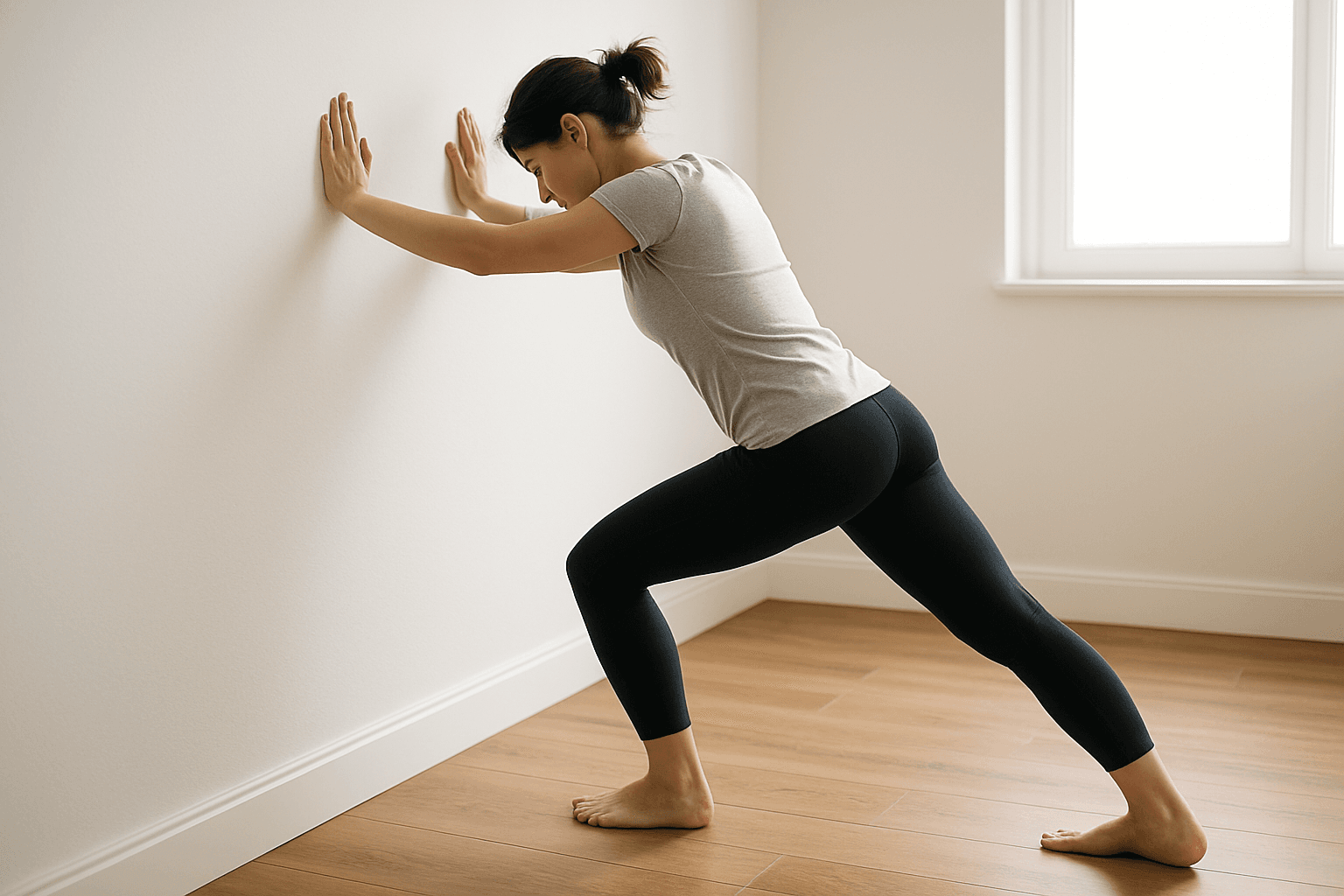
Stretching through pregnancy is gentle and short. The two moves that matter are the standing calf stretch (hands on a wall, back heel pressed into the floor, hold thirty seconds a side) and the seated plantar fascia stretch (pull the toes back toward the shin with a hand for thirty seconds). Two or three repeats a side, twice a day, is enough. Avoid aggressive stretching, Downward Dog as a daily habit if balance is uncertain, and any stretch that pulls on the lower back. Our plantar fasciitis stretches page covers the full daily set — in pregnancy, favor the gentler versions and skip anything that puts the belly on the floor in the third trimester.
Compression socks earn their keep in pregnancy for another reason. A graduated compression sock supports circulation and takes real edge off the swelling and heaviness that comes with long standing and the volume changes of pregnancy. Our compression socks for tired feet walk-through covers the fit; the twenty-millimeter range is comfortable for most pregnant readers through the full nine months. A supportive sock does not replace the shoe and the insole, but it stacks nicely on top of them for a day of errands or a long shift.
Ice, massage and the small comforts that help
Icing after a long day is one of the most reliable comfort moves and is safe in pregnancy. Freeze a plastic water bottle, sit down at the end of the day with it under the arch, and roll gently for five to ten minutes a side. The cold calms the inflamed fascia and the rolling adds a mild self-massage. A frozen golf ball under a tender spot does the same job with more focal pressure. Our plantar fasciitis massage walk-through covers the at-home routine in more detail.
Over-the-counter pain medication is where pregnancy adds specific rules. Acetaminophen is the first-line analgesic in pregnancy and is used widely, though the FDA now encourages lowest-effective-dose and shortest-duration use. NSAIDs including ibuprofen and naproxen are generally avoided after week twenty of pregnancy and strictly avoided after week thirty because of fetal cardiovascular and kidney effects. Topical analgesics vary — talk to your obstetrician before using them, especially the salicylate-based ones. For most readers, the right rule is to lean on the shoe, the insole, the gentle stretch and the ice rather than on pills.
Night splints are a legitimate tool for stubborn morning first-step pain in pregnancy. A soft sock-style splint that holds the fascia at a mild stretch overnight is more comfortable than a hard boot-style splint, and it does not interfere with a side-sleeping position. Our plantar fasciitis night splint walk-through covers the picks; in pregnancy, favor the softer sock-style version and skip it on nights the bump is making sleep difficult enough on its own.
What is not pregnancy heel pain
A short list of neighboring conditions can look like plantar fasciitis in pregnancy and want a different plan. Pain at the back of the heel where the Achilles tendon attaches, worse going up stairs or on hills, is Achilles tendinopathy rather than plantar fasciitis — our Achilles tendonitis walk-through covers the different care. A bruised ache across the whole heel pad that is worse at end of day rather than in the morning is fat pad irritation; a cushioned shoe does more than a firm arch there. Pain in the ball of the foot behind the toes that builds through a walking day is forefoot irritation, which ball of foot pain covers.
Red-flag symptoms in pregnancy belong with your obstetrician the same week, not with a foot-care routine. Significant unilateral leg or foot swelling — one leg visibly larger than the other, especially with calf tenderness, warmth or redness — is a possible deep venous thrombosis and is a same-day call to your clinician regardless of foot pain. Pain that comes with numbness, tingling, loss of sensation, discoloration or pain at rest at night is also out of the self-care lane. A gradual, bilateral, mechanical heel pain pattern that follows the morning-steps rhythm is almost always benign plantar fasciitis; any pattern that does not fit it deserves a professional read.
What postpartum heel pain usually looks like
The first weeks postpartum often bring the same or slightly worse heel pain as the third trimester. The reasons are mechanical and lifestyle. Body weight is still elevated for most readers, sleep is fragmented, barefoot time on hardwood paces up (newborn soothing is often done without shoes), and the arch and ligament picture has not snapped back the day the baby arrives. For most readers, the fascia quietly settles over the first three to six months postpartum as weight normalizes toward pre-pregnancy, ligaments retighten, and the arch recovers.
Keep the plan running through the postpartum months. The supportive sneaker and supportive slipper, the firm-arched insole, the two-minute daily stretch, and ice at the end of a long day do the same work after the baby that they did before. A postpartum weight normalization curve is not fast for most readers, and the fascia does not need to wait for pre-pregnancy weight to start calming down — it needs the daily load to come off, which the supportive setup accomplishes. Our plantar fasciitis how long walk-through covers the general resolution timeline for plantar fasciitis; postpartum sits at the slower end of it.
A smaller group of readers has heel pain that persists beyond six months postpartum. This is a legitimate reason to see a physical therapist or a podiatrist, both for a formal plan and because a persistently fallen arch (postpartum pes planus) sometimes benefits from a semi-rigid orthotic or a short course of physical therapy focused on the posterior tibial tendon and the intrinsic foot muscles. Our orthotics vs insoles walk-through covers the honest difference between an over-the-counter insole and a clinician-made orthotic. Nothing on this hub replaces that clinical read; the goal of the daily plan is comfort, support and relief while the body does its own slow recovery work.
The supportive insole for pregnancy and postpartum
A firm medial arch and a deep heel cup in the shoe you wear most hours in — the quiet comfort upgrade that holds through pregnancy and the first months after.
The supportive insole for pregnancy and postpartum →Frequently asked questions
Is heel pain in pregnancy normal?
Yes — plantar fasciitis flares and heel pain of various kinds are among the most common foot complaints in pregnancy. The combination of weight gain, hormonal ligament laxity and a lower arch creates a predictable biomechanical window in which the fascia takes on more work than it had been doing. That does not mean pain is something to accept and ignore; a supportive shoe, a firm-arched insole, gentle stretching, ice at the end of the day and a cushioned slipper for barefoot time at home calm the vast majority of cases without any clinic visit.
What shoes are best for heel pain during pregnancy?
The three features that matter are real arch support, a firm midsole that does not fold flat in your hand, and a slightly cushioned heel. Supportive sneakers are the easiest default category — a well-made walking or stability running shoe does the job for most readers through all three trimesters. A supportive clog or a laced walking shoe is a reasonable second choice for errands and standing shifts. Avoid flat canvas sneakers, flip-flops, ballet flats and worn-out slippers; they put the fascia under a working stretch for the whole time they are on. Our doctor-recommended shoes for plantar fasciitis walk-through covers specific models.
Can I take ibuprofen for heel pain while pregnant?
NSAIDs including ibuprofen and naproxen are generally avoided after week twenty of pregnancy and strictly avoided after week thirty because of fetal cardiovascular and kidney effects. Acetaminophen is the first-line pain medication in pregnancy, used at the lowest effective dose for the shortest duration. For most readers, the right rule is to lean on the shoe, the insole, the gentle stretch and ice rather than on pills; if a short course of medication seems necessary, your obstetrician or midwife is the right person to make the call with you.
Will the heel pain go away after I give birth?
For most readers, yes — the fascia quietly settles over the first three to six months postpartum as weight normalizes, ligaments retighten, and the arch rises back toward its pre-pregnancy shape. The first few weeks after birth often bring the same or slightly worse pain because body weight is still elevated and barefoot time on hardwood paces up with newborn care. Keeping the supportive shoe, insole, slipper and gentle stretch routine running through the postpartum months is the plan. Heel pain that persists beyond six months postpartum is a legitimate reason to see a physical therapist or a podiatrist.
Are insoles safe to wear during pregnancy?
Yes — an over-the-counter insole is a passive support, has no systemic exposure, and does not affect pregnancy. The pregnancy-specific advice is to ease the insole in over the first week (a few hours the first two days, then a half day, then full days) and to put it in the shoe you wear most hours in. The fascia and the small arch muscles are meeting a new geometry at the same time the body is going through other changes; a slow ramp into the insole is more comfortable than a cold start.
When should I see a clinician for pregnancy heel pain?
See your obstetrician or midwife promptly if the pain comes with any red flag: significant unilateral leg or foot swelling, calf tenderness or redness, numbness, tingling, loss of sensation, discoloration, pain at rest at night, or pain that followed a specific injury. For gradual bilateral mechanical heel pain that follows the morning-steps rhythm and is not responding to a few weeks of honest home care — supportive shoes, a firm-arched insole, gentle stretching, ice — a physical therapist with pregnancy experience is a good next step, and your obstetrician can make the referral.
HeelCups is reader-supported. When you buy through links on our site we may earn an affiliate commission, at no extra cost to you. This article is general information about foot comfort and is not medical advice — see our medical disclaimer.