INFLAMMATORY HEEL PAIN
Heel Pain That Isn't Mechanical: When Arthritis or Inflammation Is Behind a Sore Heel
Most heel pain is overload. Occasionally the cause is a body-wide inflammatory condition. The clues that point that way and when to ask for bloodwork.
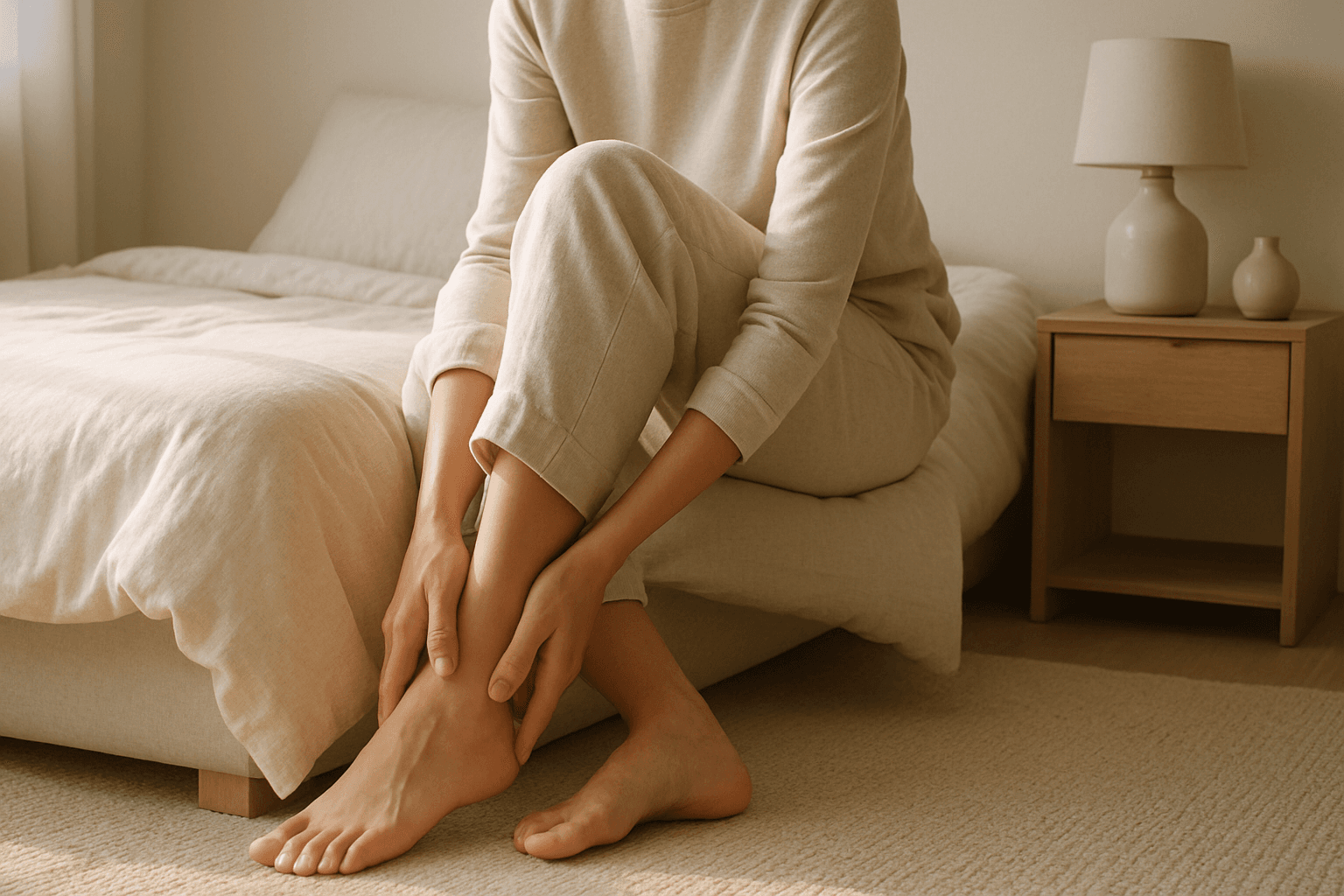
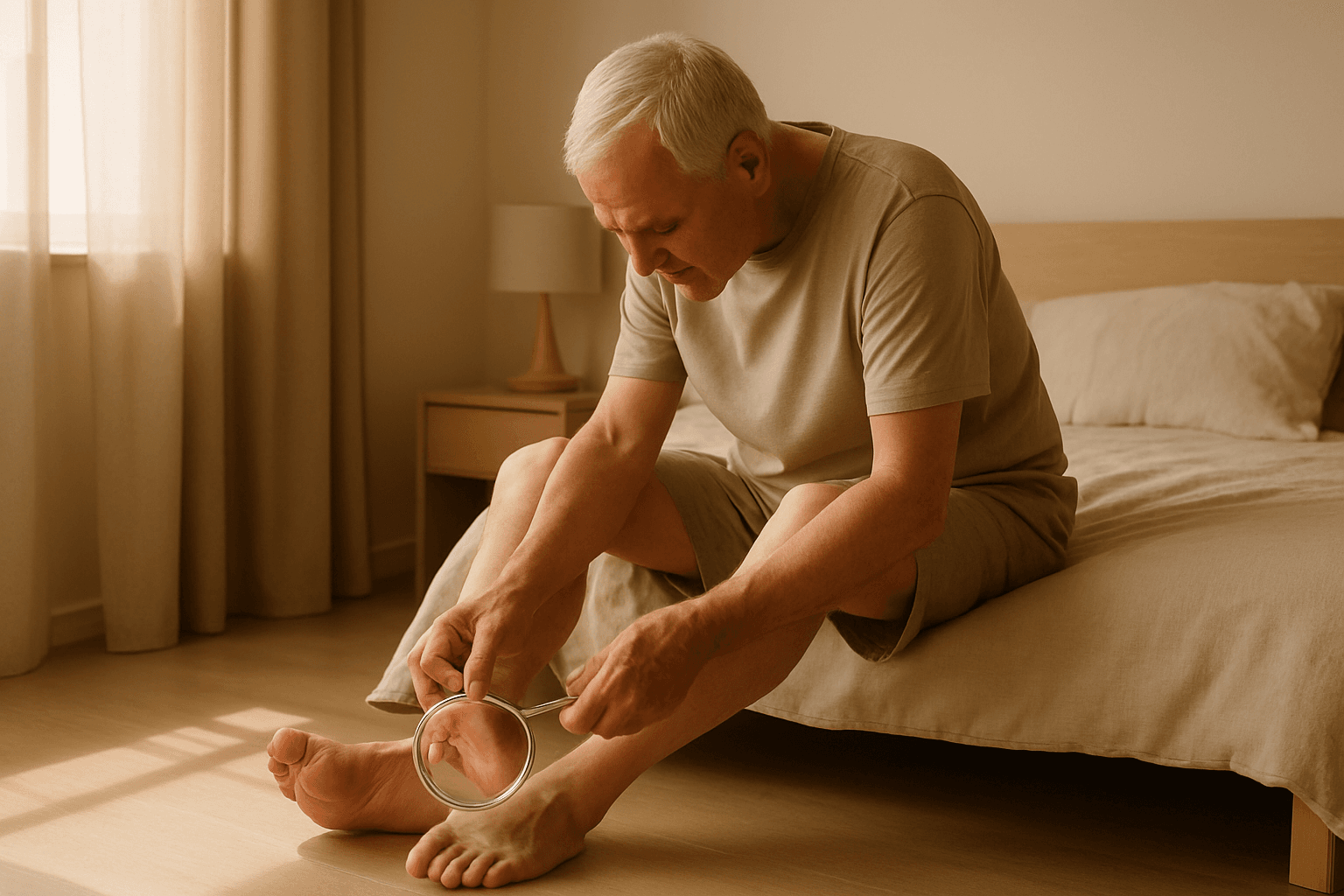
Most sore heels are a mechanical problem: too much load on the plantar fascia or the Achilles tendon, in shoes or on surfaces that do not help. Occasionally, though, the cause is inflammation driven by the immune system, as in some forms of spondyloarthritis. In these conditions the tendon and fascia attachments to the heel bone, called entheses, become inflamed, and the heel is one of the most commonly affected sites. Research on peripheral spondyloarthritis describes the heel region, meaning the Achilles and plantar fascia insertions, as the most frequently involved lower-limb enthesis.
The difficulty is that it can look exactly like plantar fasciitis or Achilles tendonitis. An ultrasound study of 27 people with tender heels found signs of true inflammatory enthesitis in 48% of them, and other problems such as tendon inflammation or bursitis in 26%. In other words, even when a heel is tender, the cause is inflammatory fewer than half the time. That is reassuring, and it is also why the pattern around the heel matters more than the heel alone.
This page lists the clues that suggest it is worth raising inflammatory causes with a clinician. It cannot diagnose anything. If heel pain is persistent, affects both heels, or comes with other symptoms, see a doctor, who can arrange the right tests.
What the pattern tends to look like
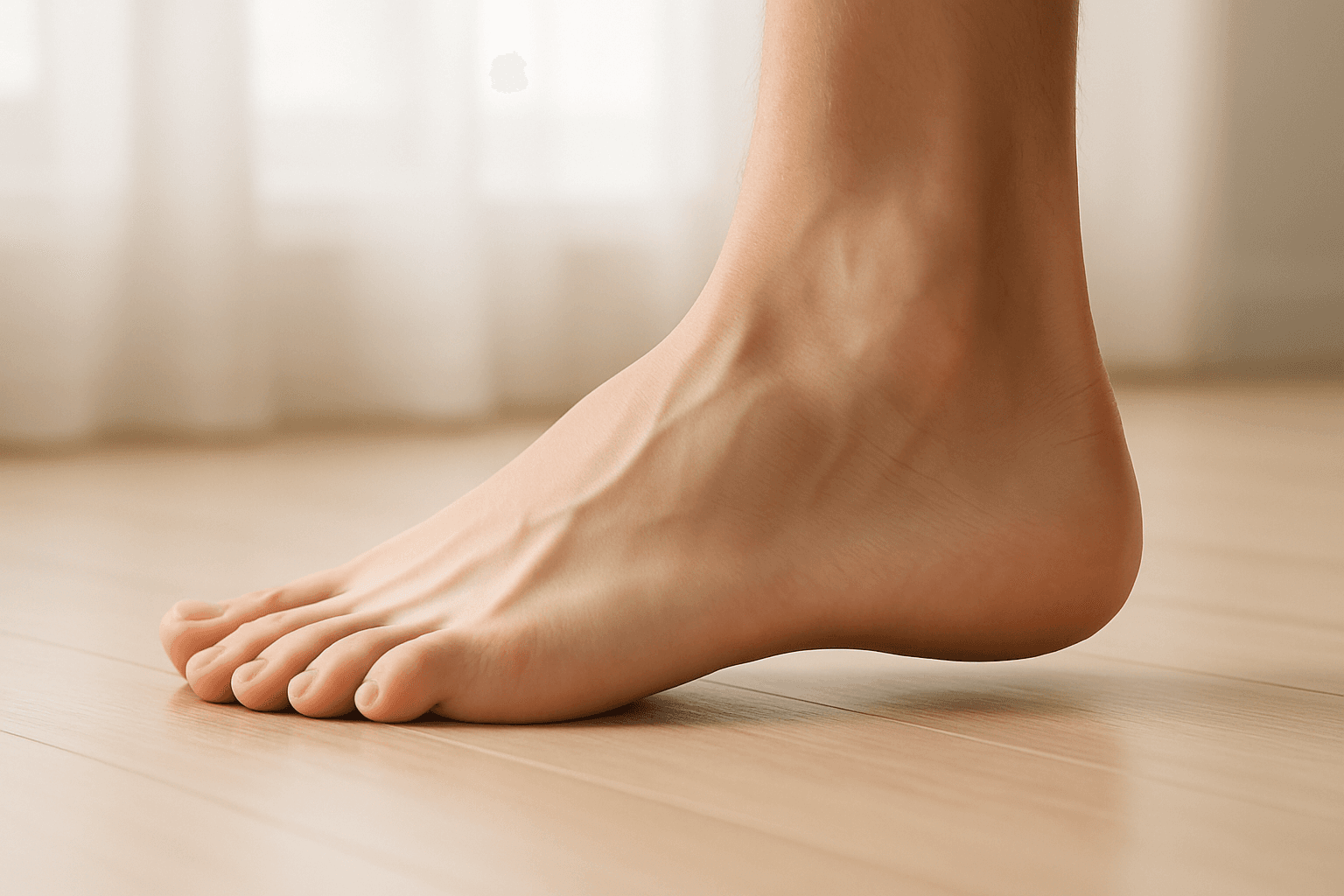
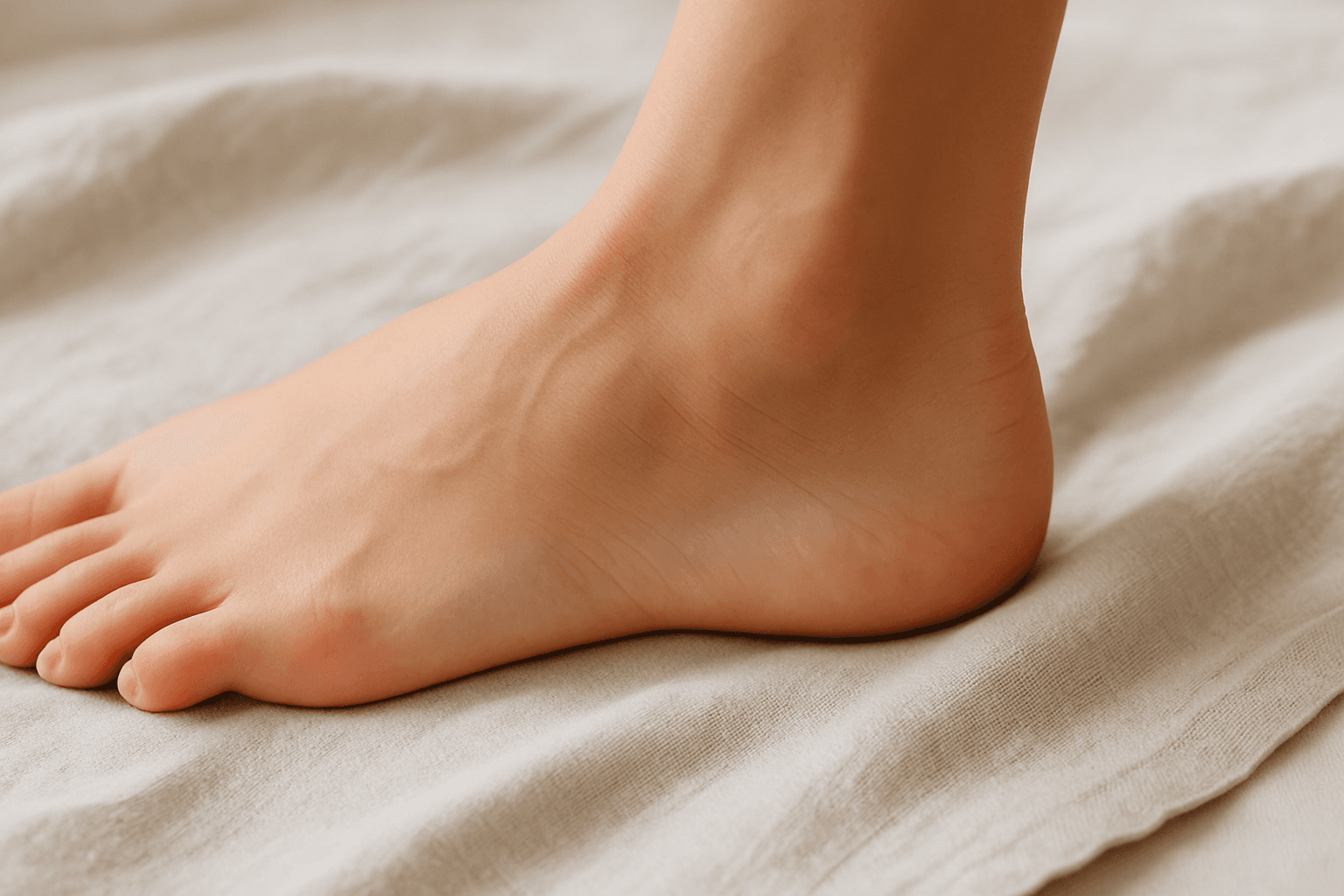
Mechanical heel pain is typically worst with the first steps after rest and settles with movement, then returns after long periods on your feet. Inflammatory pain is often described differently: stiffness that lingers rather than easing quickly, pain that wakes you in the second half of the night, and an ache that improves with activity but returns at rest. The heel may be warm or puffy, and the tenderness may sit at the back of the heel where the Achilles attaches as well as underneath.
No single feature is decisive. Plenty of ordinary plantar fasciitis is worse in the morning. The value is in the combination, and in what else is going on in the body.
Clues beyond the heel
Clinicians ask about low back or buttock pain and stiffness that began gradually in younger adulthood, swollen sausage-like toes or fingers, psoriasis or nail changes, red painful eyes, bowel inflammation, and a family history of arthritis. Pain in both heels at once, or heel pain that moves between sites, is another prompt. A recent infection or a pattern of joint pain elsewhere also changes the picture.
If several of those apply, mention them when you book the appointment. Your doctor may examine the heel and joints, ask about stiffness, and order blood tests or imaging. We cannot say which tests you would need, because that depends on the full picture.
Why a scan matters
The ultrasound study mentioned above found that tenderness alone was a poor guide to inflammation, because clinical scores track pain and tenderness more than actual inflammatory change. That is a reason to get properly assessed instead of guessing. A clinician may use ultrasound or MRI to see whether the tendon attachment looks inflamed, and may check blood markers alongside.
If the cause turns out to be mechanical, you have lost nothing. If it is inflammatory, an early diagnosis opens up medical options that footwear and stretching cannot offer.
What you can do while you wait
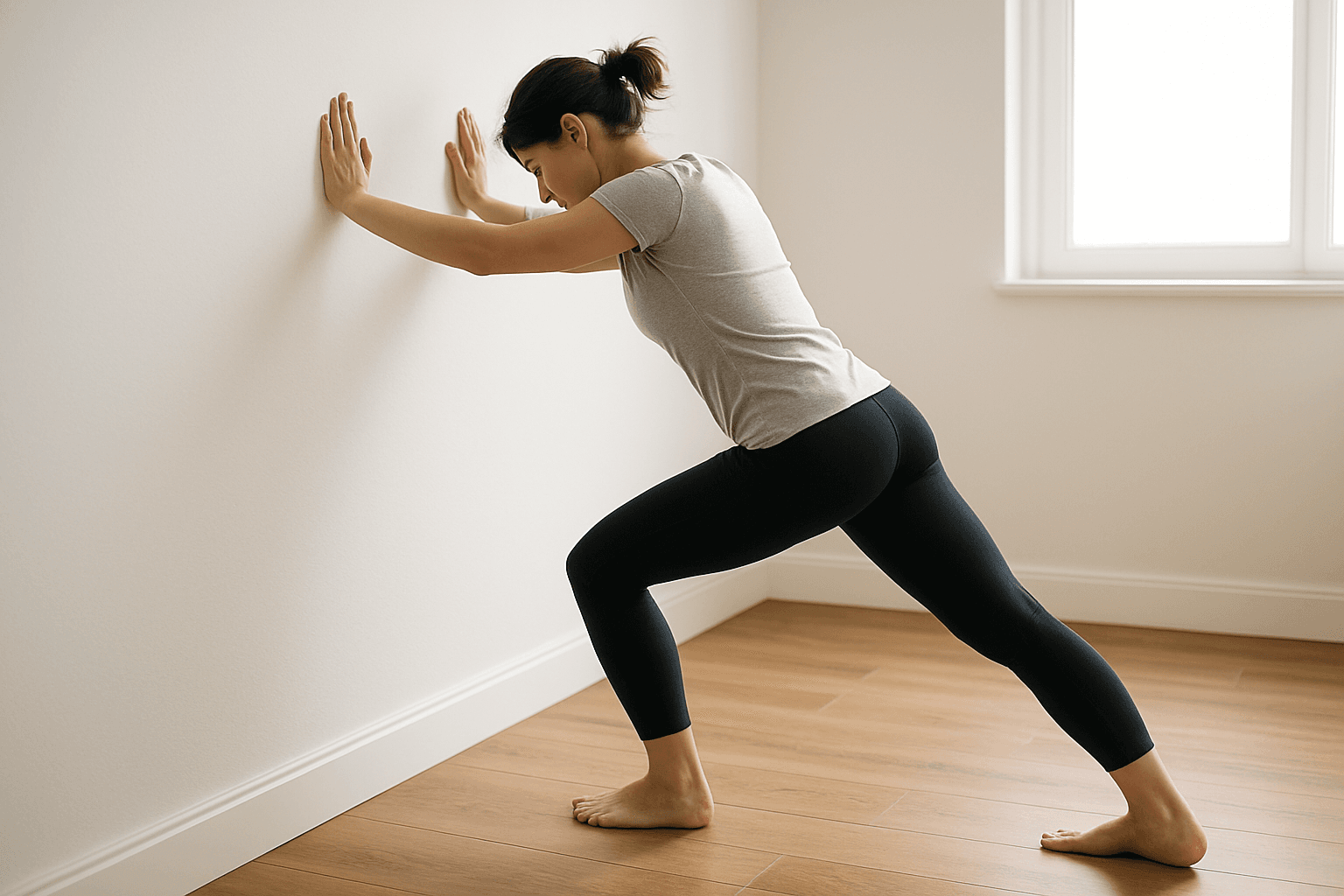
Comfort measures are the same as for other heel pain and they are not harmful while you arrange the visit. A cushioned heel cup or a supportive insole can take some pressure off a tender heel, and gentle calf stretching can ease the strain on the Achilles. See our heel cups vs insoles page for a simple way to choose, and the Achilles tendonitis page for the back-of-heel version of the problem.
Our heel pain hub has more on the common look-alikes. Keep a short symptom diary for a week or two: when it hurts, how long the stiffness lasts, whether it wakes you, and what else is sore. It makes the appointment far more useful.
What not to do
Do not push through a heel that is hot, swollen or increasingly stiff by loading it harder. Avoid repeated self-treatment with leftover medication, and do not delay the visit because the pain comes and goes. Inflammatory conditions are often intermittent, which is part of why they are missed.
Insoles, cups and taping are for comfort and support. They are not a way to manage a body-wide inflammatory condition, and we would not suggest them as a substitute for a diagnosis.
Browse the heel pain hub
Compare the common causes of a sore heel and see what helps first.
Browse the heel pain hub →Frequently asked questions
Can arthritis cause heel pain?
Yes. Some forms of inflammatory arthritis, notably spondyloarthritis, can inflame the points where the Achilles tendon and plantar fascia attach to the heel bone. It is far less common than plantar fasciitis or overuse problems.
How can I tell inflammatory heel pain from plantar fasciitis?
You usually cannot on your own. Clues include stiffness that lingers, night pain, both heels affected, and symptoms elsewhere such as back stiffness, psoriasis or eye inflammation. A clinician can examine and test for it.
Is a tender heel usually inflammatory?
No. In an ultrasound study of 27 people with tender heels, fewer than half showed signs of true inflammatory enthesitis, so mechanical causes remain more likely.
Which doctor should I see?
A primary care doctor or podiatrist is a good first stop and can refer you to a rheumatologist if the picture suggests inflammatory disease.
Will an insole help?
An insole or heel cup can add comfort and cushioning while you wait for answers, but it does not address an underlying inflammatory condition.
When is heel pain urgent?
See a clinician promptly if the heel is hot, red and swollen, if you have a fever, if you cannot bear weight, or if the pain followed an injury.
HeelCups is reader-supported. When you buy through links on our site we may earn an affiliate commission, at no extra cost to you. This article is general information about foot comfort and is not medical advice — see our medical disclaimer.