ARCH PAIN
Pain in the Arch of Your Foot: Causes, Look-Alikes and What Brings Relief
Arch pain usually comes from one of three places. Here is how to tell them apart, what eases each, and when to get it checked.
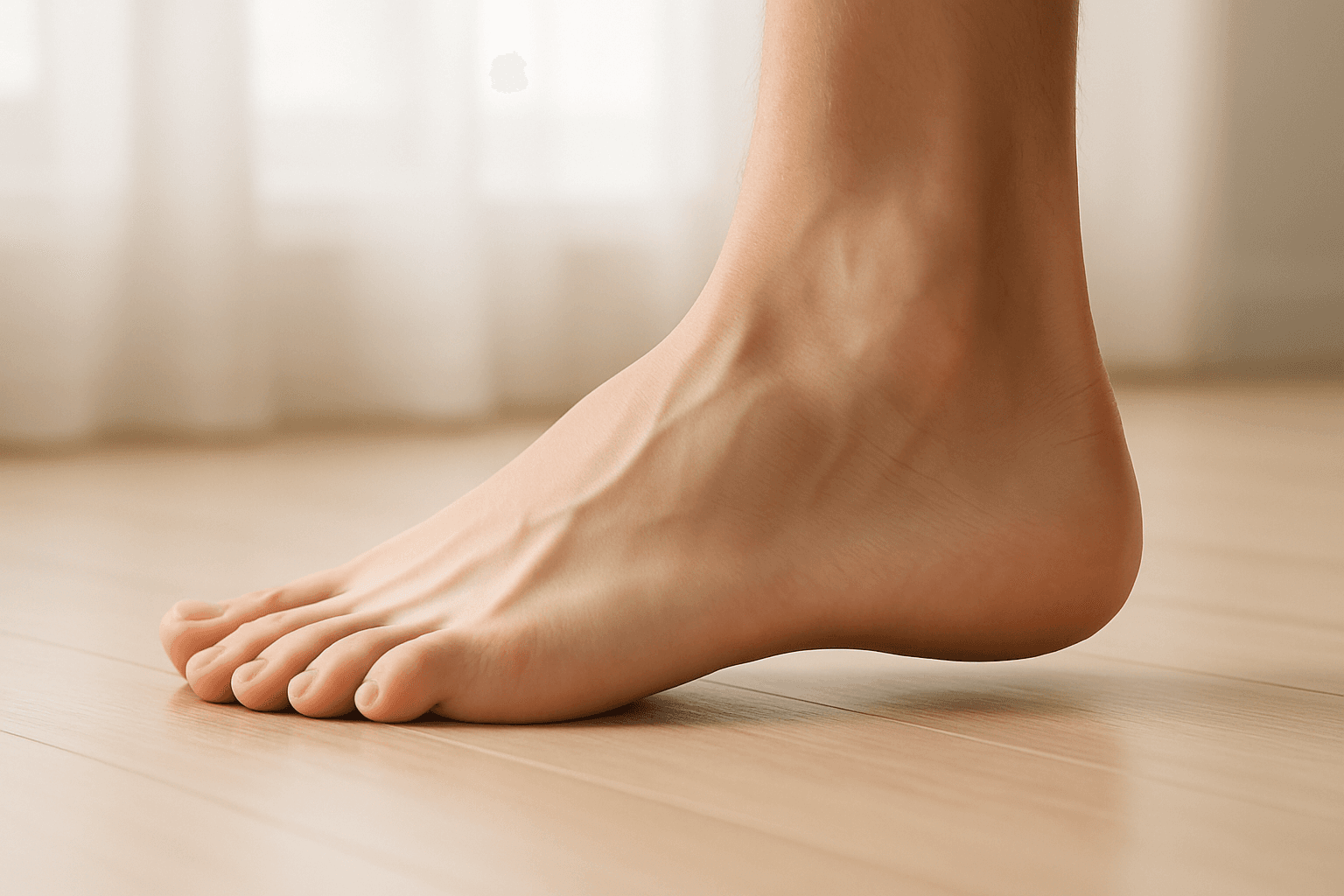
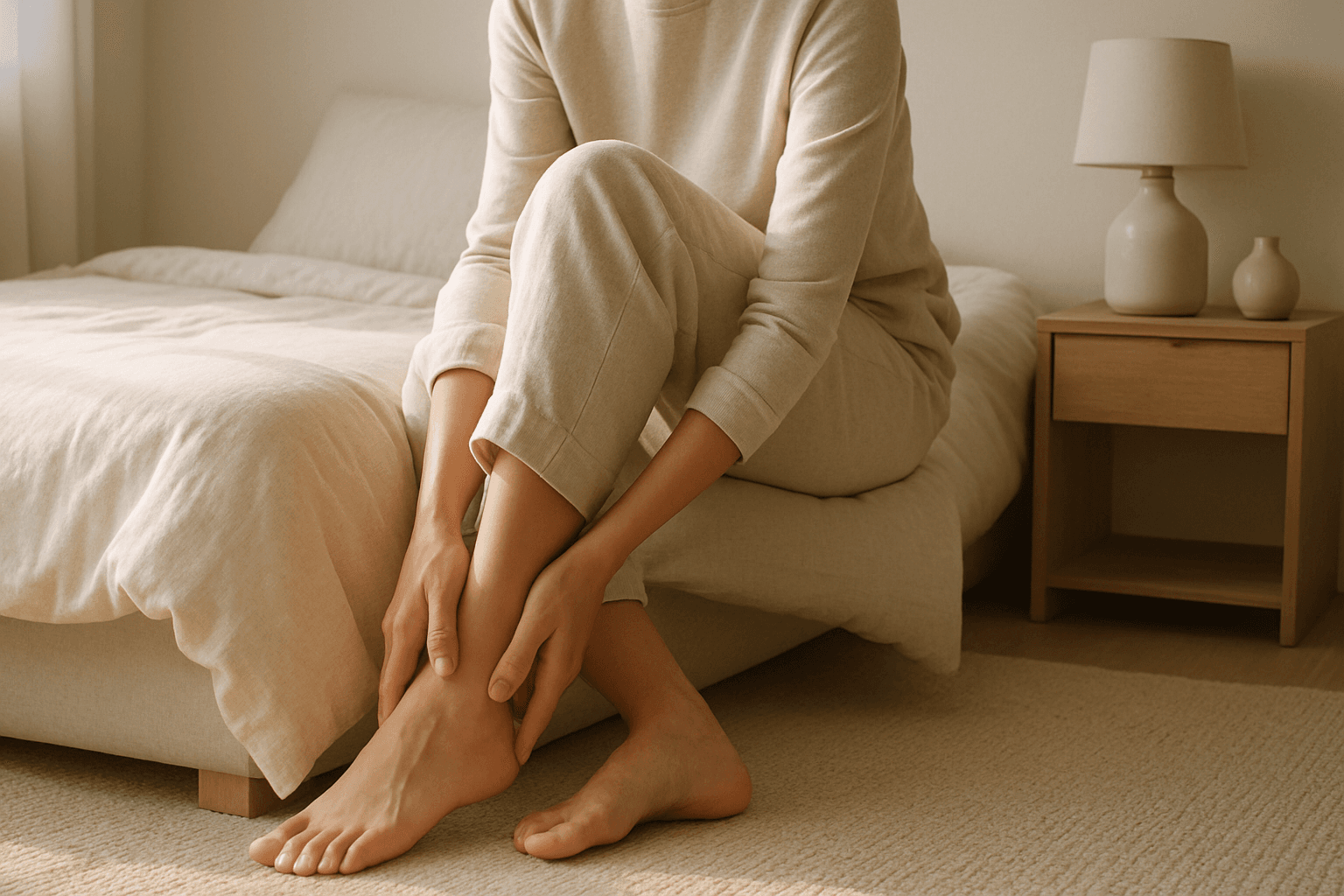
Pain in the arch of the foot most often comes from the plantar fascia, the band of tissue that runs from your heel to your toes and holds the arch up. When it is irritated, the ache can sit in the middle of the sole rather than right under the heel. The other two common sources are a tired or overloaded tendon on the inner side of the ankle, and a foot whose arch flattens a lot under load. Where exactly it hurts, and when, tells you which one you are probably dealing with.
The first moves are the same for most of these: support the arch in every shoe you wear for long hours, stretch the calf and the sole gently, and cut back whatever sudden increase in standing, walking or running started it. Most arch aches ease with a few weeks of consistent, unglamorous care. Expect to give the changes two to four weeks before judging them. Our heel pain hub maps the other look-alikes.
This page is a guide to narrowing things down, not a diagnosis. Arch pain that follows an injury, comes with swelling, numbness or a visible change in the shape of your foot, or keeps going despite a few weeks of honest home care deserves a visit to a doctor or podiatrist.
The three usual suspects
Plantar fascia irritation is the most common. Podiatry and orthopedic sources describe it as strain where the fascia attaches near the heel, but the tenderness often spreads along the arch, and the classic pattern is stiffness and sharp pain with the first steps after sitting or sleeping that loosens as you move. Our plantar fasciitis hub covers this pattern in depth.
The second is the posterior tibial tendon, which runs behind the inner ankle bone and acts as a main support for the arch. When it is overworked or weakened, pain tends to sit along the inner ankle and the arch, and is worse with long walks, stairs or standing on tiptoe. The posterior tibial tendonitis page explains why this one is worth showing a clinician early.
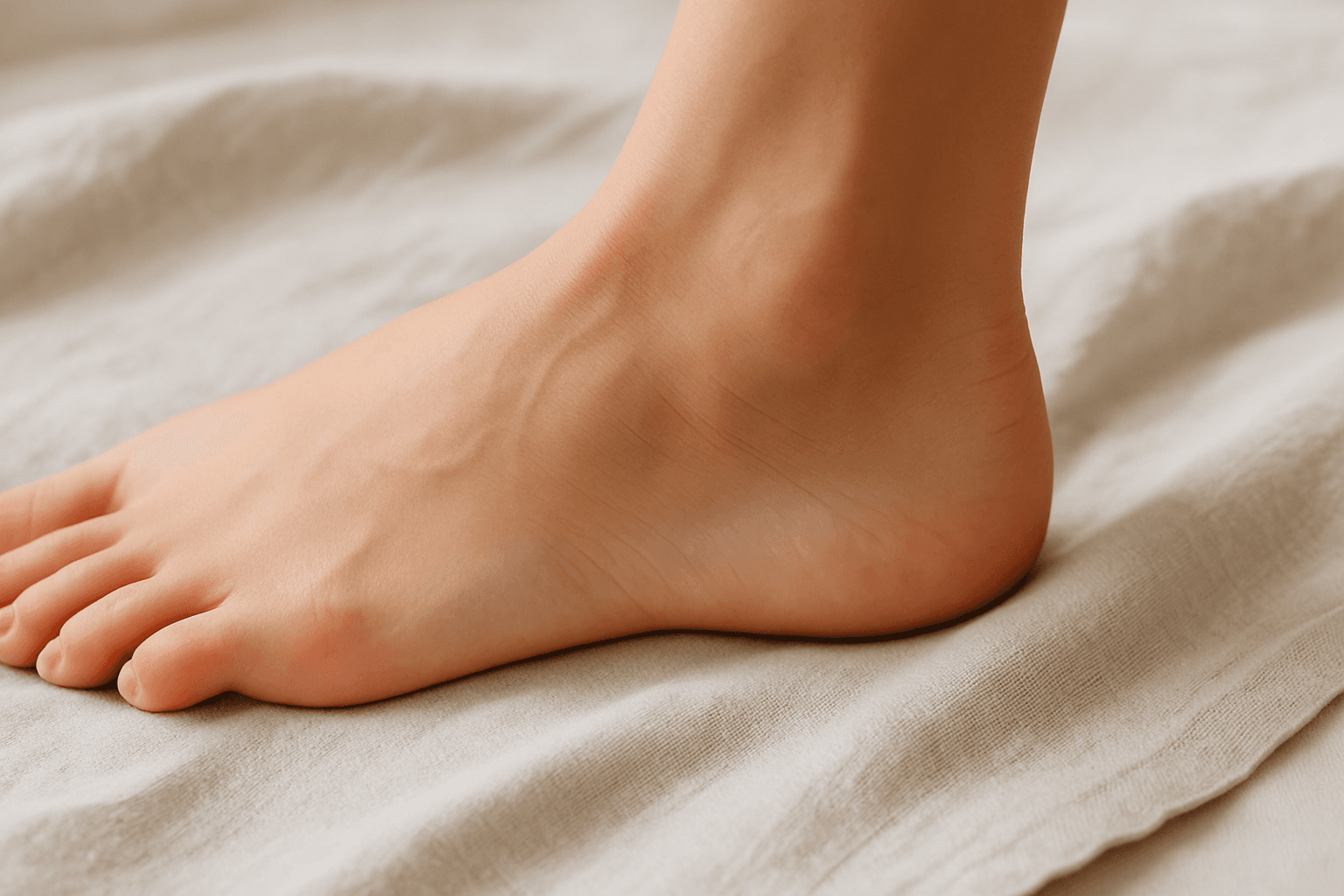
The third is a flat or flexible-flat foot. Sources from foot and ankle clinics describe an arch that collapses under body weight, loading the soft tissue along the inner foot. The result is an achy, tired arch after long periods standing, especially on hard floors.
How to tell them apart at home
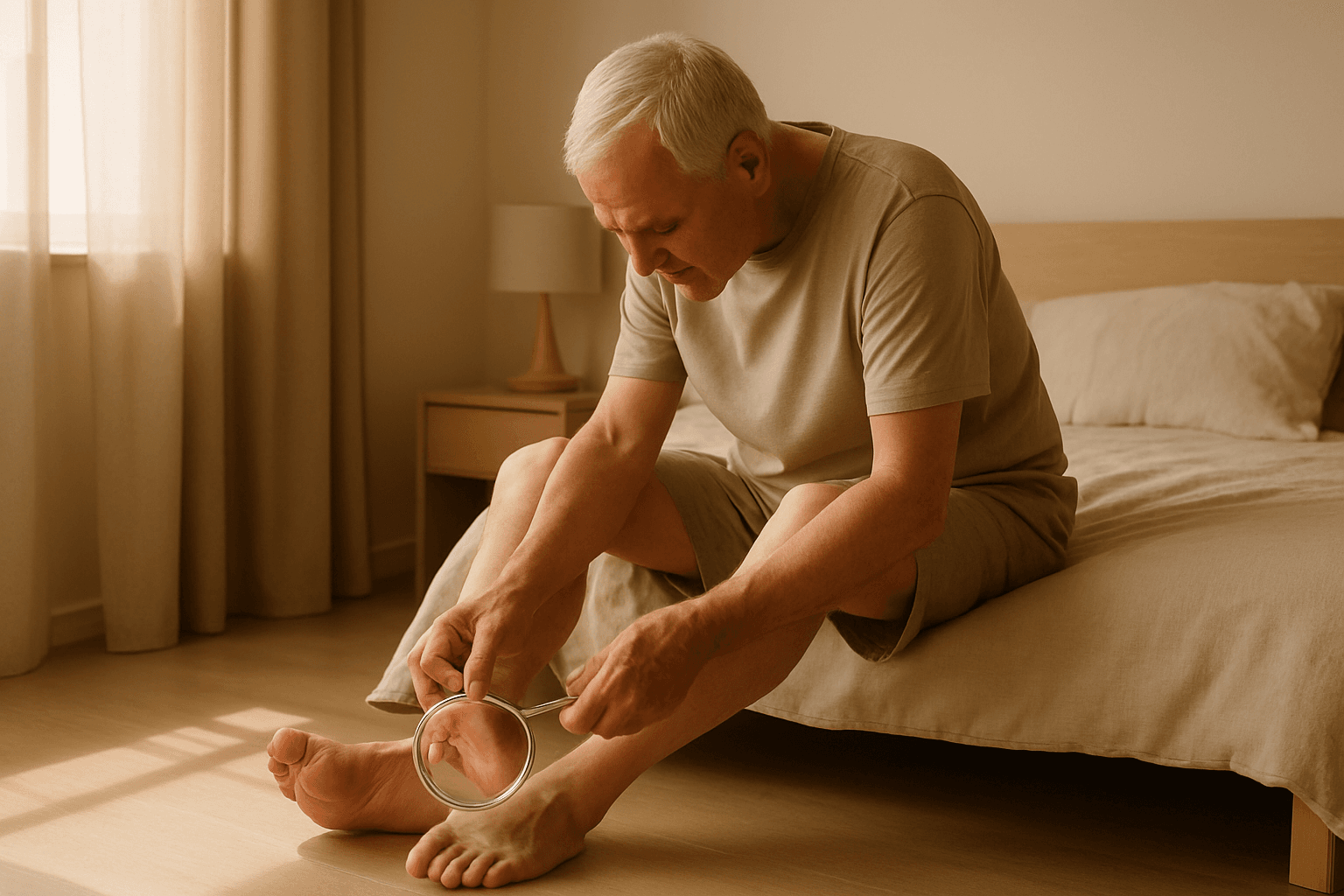
Press along the sole from heel to ball. Tenderness concentrated at the front of the heel and just ahead of it points toward the fascia. Tenderness behind and below the inner ankle bone, with pain when you rise onto your toes, points toward the tendon. A general ache across the whole arch that builds through the day and eases when you sit or put the foot up leans toward arch collapse and fatigue.
Timing helps too. Fascia pain is worst on the first steps and then eases. Tendon pain tends to get worse the longer you are active. Fatigue-type arch ache is at its worst at the end of the day. Many people have more than one going on at once, so treat the map as a starting point.
Other causes worth knowing about
Cavus feet, meaning high arches, can make the arch feel strained and tight because the foot is stiff and passes shock to the heel and ball. Our guide to insoles for high arches covers how cushioning matters more there than aggressive arch lift.
Nerve irritation can feel like burning, tingling or electric pain in the arch. If you notice numbness or pins and needles, read about tarsal tunnel syndrome. A firm lump you can feel in the arch is a different story, covered in plantar fibroma. Arthritis in the midfoot, or a stress fracture, can also hurt in the arch, which is another reason lasting or night pain should be examined.
What tends to bring relief
Start with footwear. Stop walking barefoot or in flat flip-flops around the house, and wear a shoe with a firm midsole and a supportive insole for long days. A trim-to-fit insole with a firm arch and a deep heel cup spreads the load across the foot instead of letting the arch stretch with every step. Our Akusoli insoles review covers the one we have looked at closely.
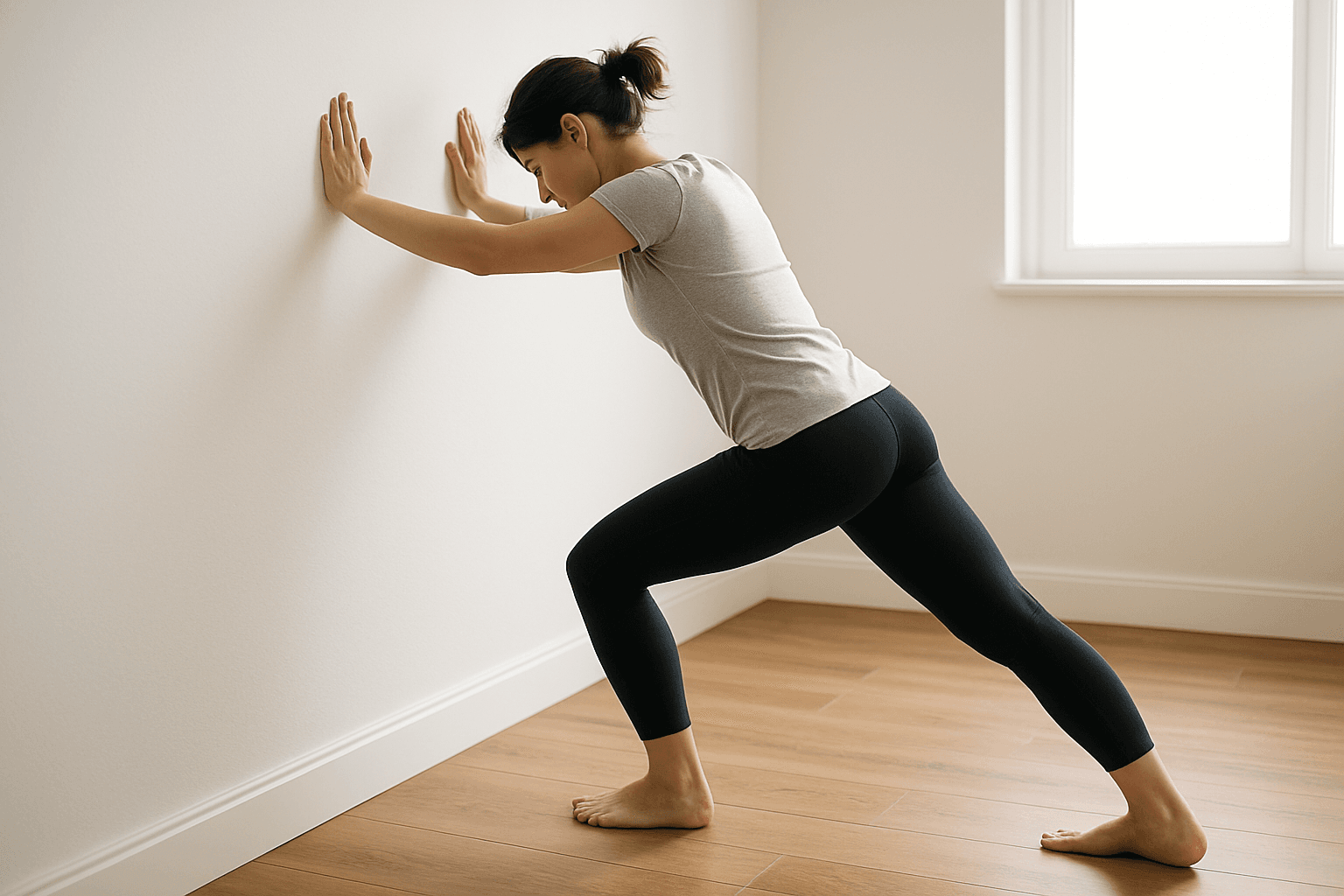
Add calf and sole stretching morning and night, and a few minutes of rolling the arch over a ball or a frozen bottle in the evening. Ease back on the activity that set it off, rather than stopping everything. Cold packs after long days are a comfort measure many people like.
A sensible two-week plan
Week one: swap in supportive shoes with an insole for every long stretch of standing, stretch the calf twice a day, and roll the arch for five minutes in the evening. Week two: keep all of that, and note when the pain shows up. If the pain is moving toward the inner ankle, swelling, or your arch looks flatter than it used to, stop guessing and book an appointment.
Keep expectations realistic. Support and stretching reduce the load on irritated tissue, which gives it room to settle. They are comfort and support measures, not a medical treatment, and nothing on this site promises a specific result.
When to see a doctor or podiatrist
Get it examined if you cannot put weight on the foot, if there is swelling, bruising or numbness, if the arch has visibly collapsed, if pain wakes you at night, or if a few weeks of home care have not moved things at all. A clinician can check the tendon, rule out a stress fracture and tell you whether a custom device is worth the money.
See the insole we reviewed
A trim-to-fit insole with a firm arch and deep heel cup, for the shoes you already own.
See the insole we reviewed →Frequently asked questions
Why does the arch of my foot hurt when I walk?
Most often the plantar fascia is irritated, the posterior tibial tendon is overworked, or the arch is flattening under load. Long hours on hard floors, a sudden increase in activity, unsupportive shoes and extra body weight all add strain.
Is arch pain the same as plantar fasciitis?
Not always. Plantar fasciitis is a common cause and often hurts at the front of the heel, but it can spread along the arch. Tendon problems and flat feet can feel similar, so where and when it hurts is the best clue.
Do arch supports help with arch pain?
For many people, yes: a firm arch support shares the load so the tissue is stretched less with each step. Soft, squishy inserts tend to give little support once they compress, so firmness matters more than thickness.
Should I stretch or rest sore arches?
Gentle calf and sole stretching is usually comfortable and sensible. Rest from the specific trigger, such as a big jump in mileage, but complete rest often leads to stiff first steps. Stop any stretch that causes sharp pain.
When is arch pain serious?
See a clinician for pain after an injury, swelling, numbness, a collapsing arch, pain at night or at rest, or anything that has not improved after a few weeks of consistent home care.
HeelCups is reader-supported. When you buy through links on our site we may earn an affiliate commission, at no extra cost to you. This article is general information about foot comfort and is not medical advice — see our medical disclaimer.