HEEL BURSITIS
Heel Bursitis: The Fluid-Filled Sacs at the Back of Your Heel and What Actually Calms Them Down
A tender, sometimes visibly swollen bump right where a shoe's back edge meets your heel is usually not a bone spur — it is retrocalcaneal or subcutaneous bursitis. Here is how to tell them apart, what settles them, and what to do when a shoe change is not enough.
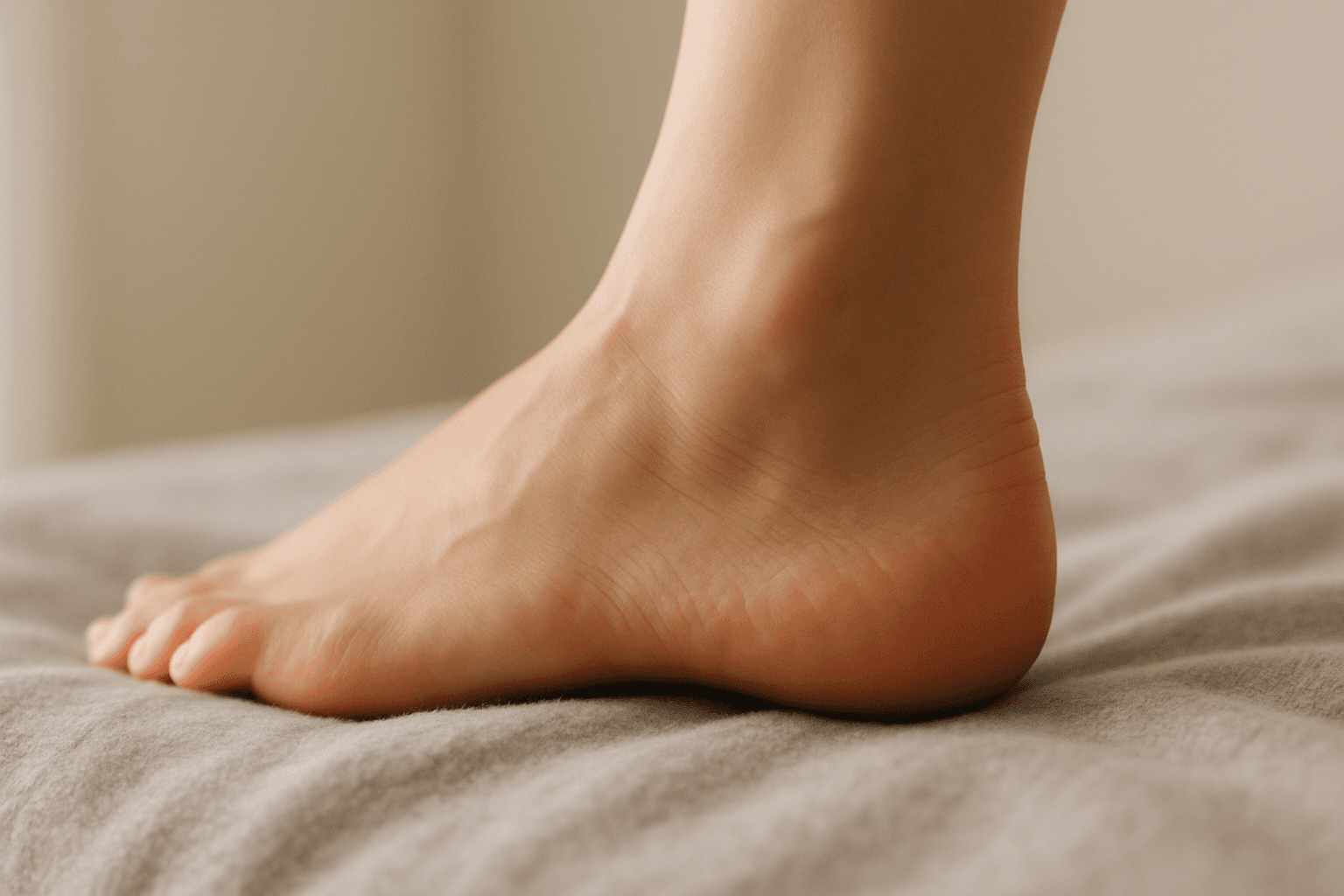
A bursa is a small fluid-filled sac that sits between two tissues to reduce friction as they slide against each other — think of it as the body's version of a lubricant packet at points where a tendon glides over a bone. Every heel has two of them working around the Achilles tendon at the back of the heel bone, and either can become inflamed and thickened after a stretch of rubbing, a spike in load, or a mechanical push against a stiff shoe. The pattern is loud enough that most people notice it within days: a tender, sometimes visibly swollen spot right where the heel meets the shoe's back edge, sore first thing in the morning, worse on stairs and hills, and worst after a long day in a specific pair of shoes.
Heel bursitis is often confused with a heel spur, insertional Achilles tendinopathy, or a Haglund's deformity, and the confusion matters because the useful daily plan is slightly different for each. Bursitis calms with a shoe change, a temporary cut in the specific activity that spiked it, cold packs, and a heel lift or a heel cup that moves the sore spot away from the shoe's edge — usually inside two to six weeks. Insertional Achilles tendinopathy shares the location but responds to a longer eccentric-loading program on the calf. A Haglund's bump is a bony feature that predisposes to bursitis but does not go away with the same plan. Sorting which one you have is the first move.
This page walks the anatomy in plain language, sorts bursitis from its look-alikes, gives the honest home plan for calming an angry bursa, and names the situations that belong in a clinic rather than a shoe store. Nothing here is medical advice. Persistent back-of-heel pain that has not eased after four to six weeks of honest home care, or pain that comes with warmth, redness, fever or a puncture-wound history, deserves an in-person exam by a doctor or podiatrist. Every recommendation is written for comfort, support and relief.
The two bursae at the back of the heel and what each one complains about
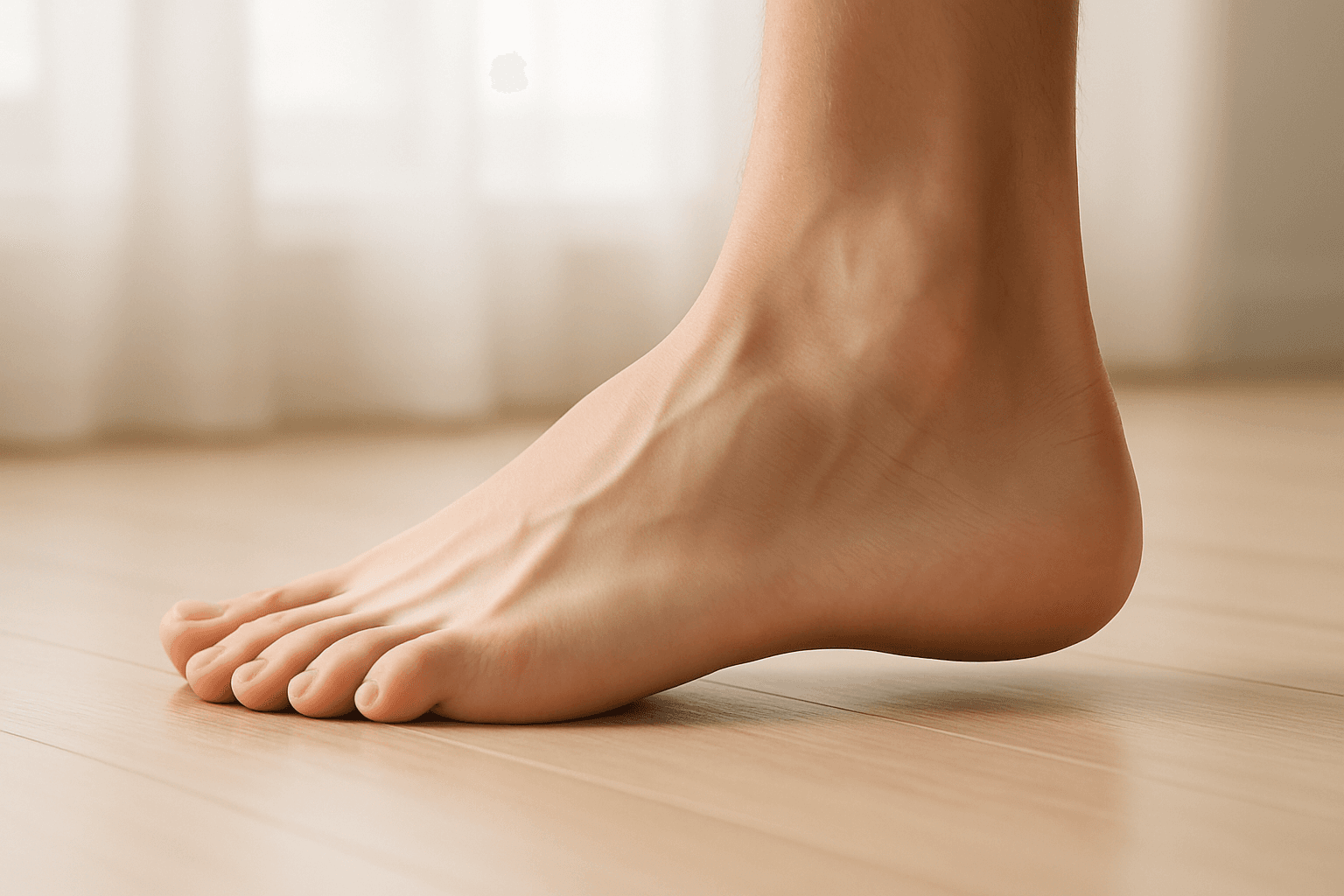
The Achilles tendon runs down the back of the calf and inserts on the back of the heel bone (the calcaneus) at a spot roughly two centimeters above the sole. Two bursae live around that insertion. The retrocalcaneal bursa sits deep, in front of the tendon and behind the top of the heel bone; it acts as a cushion between the tendon and the bone as the ankle bends and straightens. The subcutaneous calcaneal bursa (also called the Achilles bursa or the superficial bursa) sits behind the tendon, just under the skin at the back of the heel. Each can inflame independently, and the story each one tells is a little different.
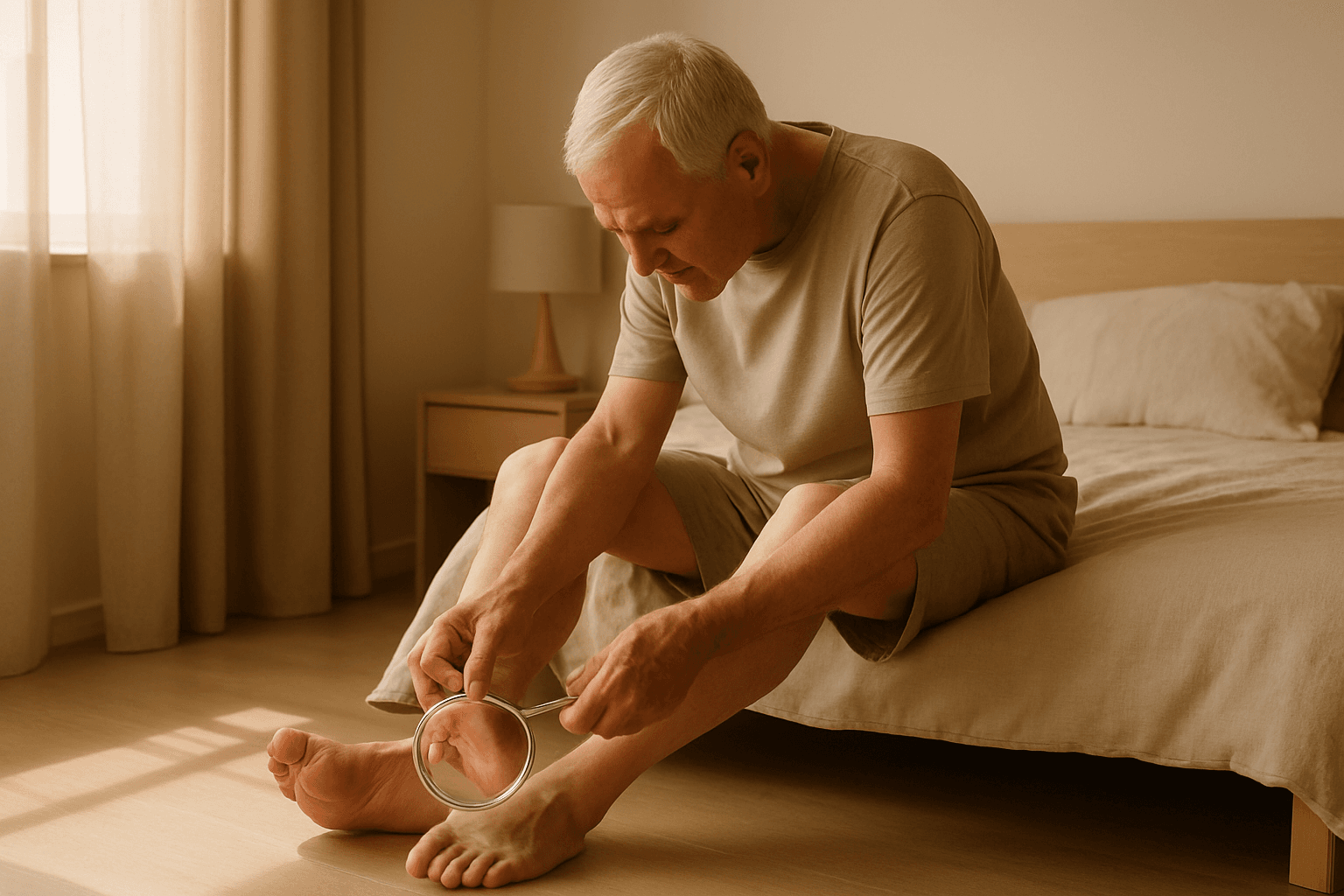
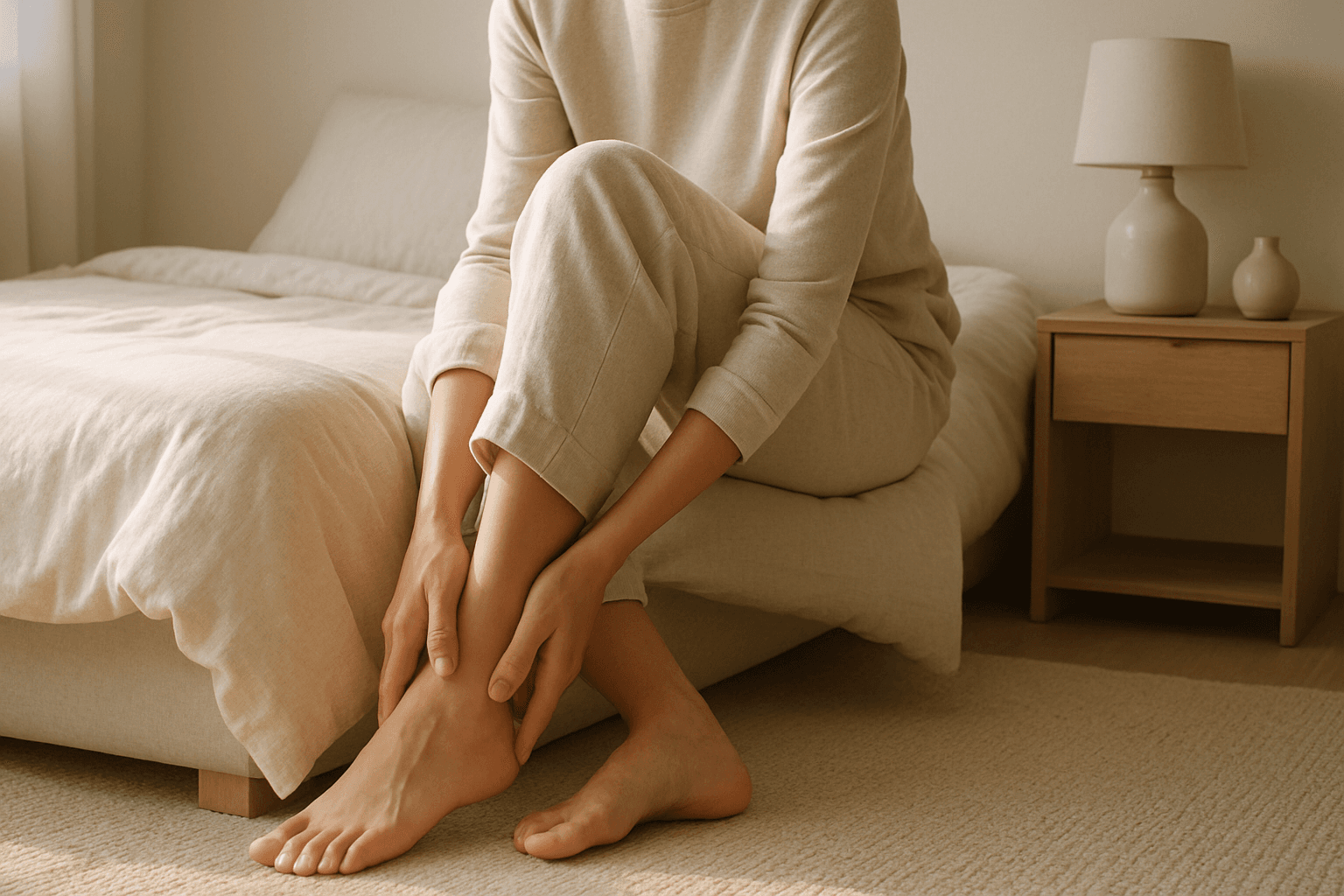
Retrocalcaneal bursitis is the more common of the two in athletic populations. It shows up as a deep, ache-like tenderness that is worst when you squeeze the back of the heel just above the heel bone from either side — a pinch test that a physical therapist will do at a first visit. Pain is worse going up stairs and hills, worse in shoes with a stiff back edge, and often worst first thing in the morning after the bursa has been quiet overnight. Visible swelling is not always present; the bursa is deep enough that it takes real inflammation for the swelling to show through.
Subcutaneous bursitis — sometimes called 'pump bump' bursitis — shows up as a visible, tender lump right at the back of the heel where the shoe's heel counter presses. The skin over it may be red, thickened or callused from repeated rubbing, and the pain is sharpest with any pressure on that specific spot. Women who wear dress shoes with a stiff back edge, runners whose training shoes rub high on the heel, and hikers in stiff mid-cut boots are the classic populations. The bursa here is close enough to the skin that swelling is usually obvious.
Both bursae can be irritated at once, especially after a specific mechanical trigger — a new pair of stiff-heeled shoes, a fast return-to-run in old trainers, a hike in boots one size too small — and the pain pattern is a mix of the two. The unified read is: pain and tenderness at the back of the heel, right around the Achilles insertion, worse with the specific activity or shoe that spiked it, and calmed by removing that stress.
Telling bursitis apart from the neighbors it gets confused with
Insertional Achilles tendinopathy is the closest neighbor. It sits at the same location — the back of the heel where the Achilles inserts on the heel bone — but the pain is in the tendon itself rather than in the bursa. Tendon pain is often worse a few minutes after starting activity, eases with a warm-up, and comes back after cooling down. It is exquisitely tender when you pinch the tendon just above the heel bone (rather than the bursa's spot slightly to the sides). Morning stiffness of the tendon is common and often noticeable in the calf, not just the heel. Our Achilles tendonitis walk-through covers the daily plan, which centers on eccentric calf loading and is a longer program than a bursitis plan.
Haglund's deformity is a bony prominence on the back of the heel bone — a specific shape rather than a specific injury — that rubs the bursa and the Achilles tendon with every stiff-shoe step. Some heels have it and never have symptoms; others develop bursitis and insertional tendinopathy every time they wear a rigid back-edge shoe. On visual inspection, a Haglund's heel has a pointed or hooked bony feature at the top-back corner of the heel bone; on X-ray it shows clearly. Bursitis in a Haglund's heel is real, but the shoe change and heel-lift plan is aimed at compensating for the bony feature, not at making it go away. Our Haglund's deformity walk-through covers the shape and its plan.
A heel spur at the back of the heel is a bony outgrowth at the Achilles insertion — not the same as the more famous underside heel spur — and, like a Haglund's bump, it usually predisposes to the surrounding soft-tissue irritation rather than being the direct source of pain. X-ray confirms it. The plan overlaps with bursitis and insertional Achilles: shoe changes, heel lifts, cold packs, and a graded return to activity. Our heel spur treatment walk-through covers the underside version; the back-of-heel version follows the same tissue-first logic.
Sever's disease in a child or teenager — usually eight to fourteen years old — can present as back-of-heel pain that looks a lot like bursitis but is a growth plate issue at the heel bone. Bursitis is unusual in this age group, and heel pain in a young athlete deserves a different plan. Our Sever's disease walk-through covers what actually helps.
Any back-of-heel pain that comes with visible redness, warmth, fever, or a specific puncture wound is not the ordinary bursitis picture — septic bursitis is a same-week clinic visit, because an infected bursa can spread quickly and needs antibiotics rather than shoe changes. Bursitis after a specific fall or twist without a warm swollen picture is more common than a septic bursa, but the presence of any of those red flags moves the situation out of the self-care lane.
What actually calms an angry bursa
Change the shoes, right now. The single fastest change is to move out of any shoe with a stiff back edge or a heel counter that presses directly on the sore spot. Slip-on shoes without a rigid heel counter, open-back sandals with an ankle strap, and shoes one half-size larger than usual (to move the counter's contact point) are all reasonable options for the first two to four weeks. For running or walking miles, a shoe with a soft, well-padded heel collar is worth prioritizing. If a specific pair triggered the bursitis, that pair goes to the back of the closet for at least a month.
Add a heel lift or a heel cup with a raised heel. A quarter-inch to half-inch heel lift inside the shoe raises the back of the foot, which slackens the Achilles tendon and reduces the mechanical friction against the bursa. A heel cup with a built-in cushion adds shock absorption to the same spot. Both are cheap, work out of the box, and are especially useful for the first two to four weeks of a flare. Our how to use heel cups walk-through covers the fit; for readers whose bursitis coexists with plantar fasciitis symptoms, a full supportive insole with a deep heel cup — see our Akusoli insoles review — does the same job while also supporting the arch.
Cut the specific activity that spiked it. A runner who ramped mileage cuts back to half of pre-flare miles and adds a swim or bike day. A hiker who spiked the bursa on a heavy pack switches to day-hikes on flat ground for a month. A walker who added ten thousand daily steps in a new job holds the count at manageable levels for two to three weeks while the tissue calms. The tissue is asking for a temporary offload, not permanent avoidance.
Cold packs at the end of long days, ten to fifteen minutes at a time, take real edge off the bursa in the first week or two. Ice wrapped in a thin towel or a cold-gel pack held against the tender spot works fine. Anti-inflammatories at label doses with a doctor's okay can help acute soreness, especially for readers whose bursitis is loud enough to affect sleep. Neither is a treatment — both are comfort tools that let the load-and-shoe changes do the work.
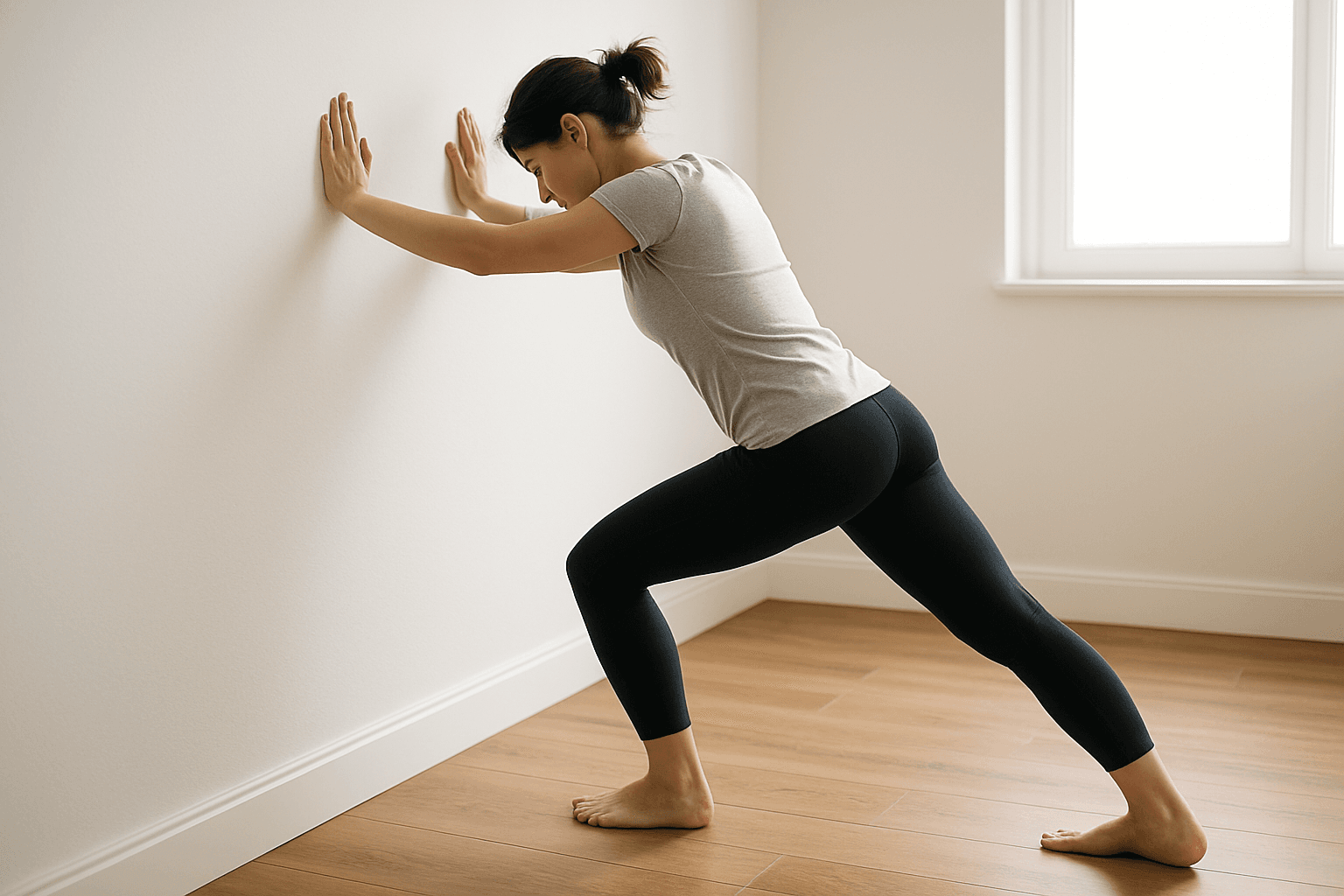
Gentle Achilles stretching helps, aggressive stretching does not. Once the acute pain has settled, a comfortable calf stretch held for thirty seconds two or three times per side, twice a day, is enough to keep the tendon mobile and reduce friction against the bursa. Pushing hard into a painful stretch in the acute phase makes the picture worse. Our plantar fasciitis stretches walk-through has the specific technique for a gentle wall calf stretch.
When home care is not enough
Two to four weeks of the plan above is the honest window in which most bursitis calms noticeably. If the pain is meaningfully better in that window, keep going with the same plan for a full six to eight weeks before reintroducing the specific activity or shoe that spiked it, and reintroduce on a graded ramp rather than a full return. Runners: half mileage in week one back, three-quarter mileage in weeks two and three, full mileage from week four with a supportive shoe rotation. Hikers: day-hikes before overnights, flat ground before pack weight.
If two to four weeks of honest home care has not shifted the pain, or the swelling and tenderness are getting worse, that is the reasonable escalation point. A physician or podiatrist can rule out an infected bursa (which is the concerning end of the differential and treated with antibiotics, sometimes needing drainage), image the area if a specific Haglund's or insertional bony feature is suspected, and prescribe a course of physical therapy focused on the ankle and calf. A corticosteroid injection into the bursa is an option for stubborn cases, though the retrocalcaneal bursa specifically sits close to the Achilles tendon and clinicians are cautious about injecting there because of the small risk of weakening the tendon.
Extracorporeal shockwave therapy has some evidence for chronic insertional Achilles tendinopathy and is sometimes used for stubborn retrocalcaneal bursitis when injections are contraindicated. Surgical management — usually a decompression of the bursa and, in Haglund's-related cases, a resection of the bony prominence — is a last-ditch option reserved for pain that has resisted six to twelve months of honest conservative care. Very few readers ever get to this rung of the ladder, but it exists.
The red-flag list for a same-week clinic visit is short: visible redness or warmth over the back of the heel, a fever, a specific puncture wound or fall that preceded the pain, back-of-heel pain that is getting rapidly worse rather than fluctuating, or bursitis symptoms in a diabetic foot with any sensation loss. Any of these move the situation out of the self-care lane immediately.
Habits that keep the bursa from coming back
Rotate shoes. A single stiff-back pair worn every day gives the bursa the same specific rub each step; rotating two or three pairs — ideally with different back-edge geometries — spreads the mechanical challenge. This is one of the most consistent findings in sports podiatry: single-pair users get more recurrence than rotators.
Break in new shoes gradually. New running shoes and new work boots often have the stiffest heel counters, and the classic bursitis story is a hard week in a fresh pair. Two or three hours a day for the first week, half-days in the second week, full days from week three onward gives the shoe's back edge time to soften and the heel skin time to callus if it needs to. Skipping this ramp is a common cause of first-time bursitis.
Keep a heel lift or heel cup handy for shoes that ride high on the heel. If a specific pair rubs, a five-dollar felt heel pad from the pharmacy stuck inside the shoe usually solves the friction problem for the life of that pair. For readers who ended up here from a running or hiking flare, keeping a supportive insole with a raised heel in the working shoe is the low-effort insurance policy. Our Akusoli insoles review covers the pair we would use.
Address a Haglund's or an insertional spur properly. Both are structural features that predispose to bursitis rather than the direct source of pain, but they are also not going away. If imaging has shown one, the prevention plan is a permanent shoe-and-lift adjustment rather than a temporary one. Read our Haglund's deformity and back of heel pain walk-throughs for the ongoing plan.
Nothing on this hub cures a heel condition, and nothing sold on this site is a treatment for bursitis. The goal is comfort, support and relief while the bursa calms down, and knowing when the picture has stopped fitting the self-care lane. Persistent heel pain that has not eased after four to six weeks of honest home care, or that comes with warmth, redness, fever or a specific injury event, deserves an in-person exam by a doctor or podiatrist.
The insole that lifts the heel and cradles the sore spot
A firm arch with a deep, raised heel cup takes friction off an angry bursa while the shoe rotation and cold packs do the rest of the work.
The insole that lifts the heel and cradles the sore spot →Frequently asked questions
How long does heel bursitis usually take to settle?
Most cases of retrocalcaneal or subcutaneous bursitis calm meaningfully within two to four weeks of the honest home plan — a shoe change, a heel lift or cup, a cut in the specific activity that spiked it, and cold packs at the end of long days. Full return to the pre-flare activity level usually takes six to eight weeks of a graded ramp on top of that. Bursitis that has not shifted after four weeks of consistent home care is the reasonable point to see a clinician; bursitis that comes with fever, warmth, redness or a puncture history is a same-week visit rather than a wait-and-see.
Is it a bursa or an Achilles tendon problem?
Both live in the same neighborhood, and telling them apart is what a first physical therapy or podiatry visit does. The rough sort: bursa pain is worse when you pinch the sides of the back of the heel just above the heel bone (the retrocalcaneal spot), or right on the visible bump behind the tendon (the subcutaneous spot). Tendon pain is worse when you pinch the tendon itself just above the heel, is often more diffuse up into the calf, and usually eases with a warm-up before coming back after activity. Many readers have both at once, and the initial home plan overlaps enough that a two-to-four-week trial of the bursitis plan is a reasonable starting point either way.
Should I ice or heat a bursitis?
Ice for the acute phase — the first one to two weeks of a flare — ten to fifteen minutes at a time after long days, wrapped in a thin towel so the skin does not burn. Heat is not the primary tool for an inflamed bursa; the tissue is angry, and heating it tends to make the acute picture worse rather than better. Once the acute pain has settled into a lower-grade ache, some readers find a warm compress helpful before a gentle calf stretch, particularly in the morning. Ice remains the default for any renewed spike.
Can I run with heel bursitis?
Not through the acute phase. Running is the classic trigger for retrocalcaneal bursitis in the first place, and continuing to run at the pre-flare volume in the pre-flare shoes will keep the bursa angry. The typical plan is a two-to-four-week cut to half of pre-flare mileage, in a shoe with a soft heel collar and a heel lift or supportive insole in place, before graded reintroduction. Swimming, cycling and elliptical work maintain fitness without loading the bursa. Runners who push through bursitis often turn a two-to-six-week problem into a two-to-six-month one.
Do I need imaging for heel bursitis?
Most cases are diagnosed on clinical examination and improve with the home plan alone; imaging is not the first move. If the bursitis has not responded to four weeks of honest home care, if a bony Haglund's or insertional heel spur is suspected on visual inspection, or if there is any red flag — warmth, redness, fever, a puncture wound, a fall — imaging is the reasonable next step. Ultrasound shows the bursa's thickness and fluid content well and is often the first imaging a podiatrist orders; X-ray shows a Haglund's or heel spur; MRI is reserved for stubborn cases where the differential includes tendon tearing or a stress reaction.
Are there specific shoes to avoid with heel bursitis?
Any shoe with a stiff, unpadded heel counter that presses directly on the sore spot is the wrong shoe for the first four to six weeks of a flare. Common offenders are dress pumps and men's dress shoes with rigid backs, brand-new running trainers before break-in, stiff hiking boots, cowboy boots, and hockey or ski boots. Slip-on shoes without a rigid counter, sandals with an ankle strap, and older running shoes whose heel collars have softened are the better first month choices. Once the bursitis has calmed, gradual reintroduction of stiffer-back shoes with a heel lift or a cushioned heel cup in place is usually fine — but a shoe that reliably reproduces the pain is the shoe that stays retired.
HeelCups is reader-supported. When you buy through links on our site we may earn an affiliate commission, at no extra cost to you. This article is general information about foot comfort and is not medical advice — see our medical disclaimer.