SEVER'S DISEASE
Sever's Disease: The Real Reason Your Active Kid's Heel Hurts
Persistent heel pain in an eight-to-fourteen-year-old is almost never plantar fasciitis. It is almost always Sever's disease — a growth-plate irritation at the back of the heel bone that responds to the right pattern of cushioning, cut activity and calf work.
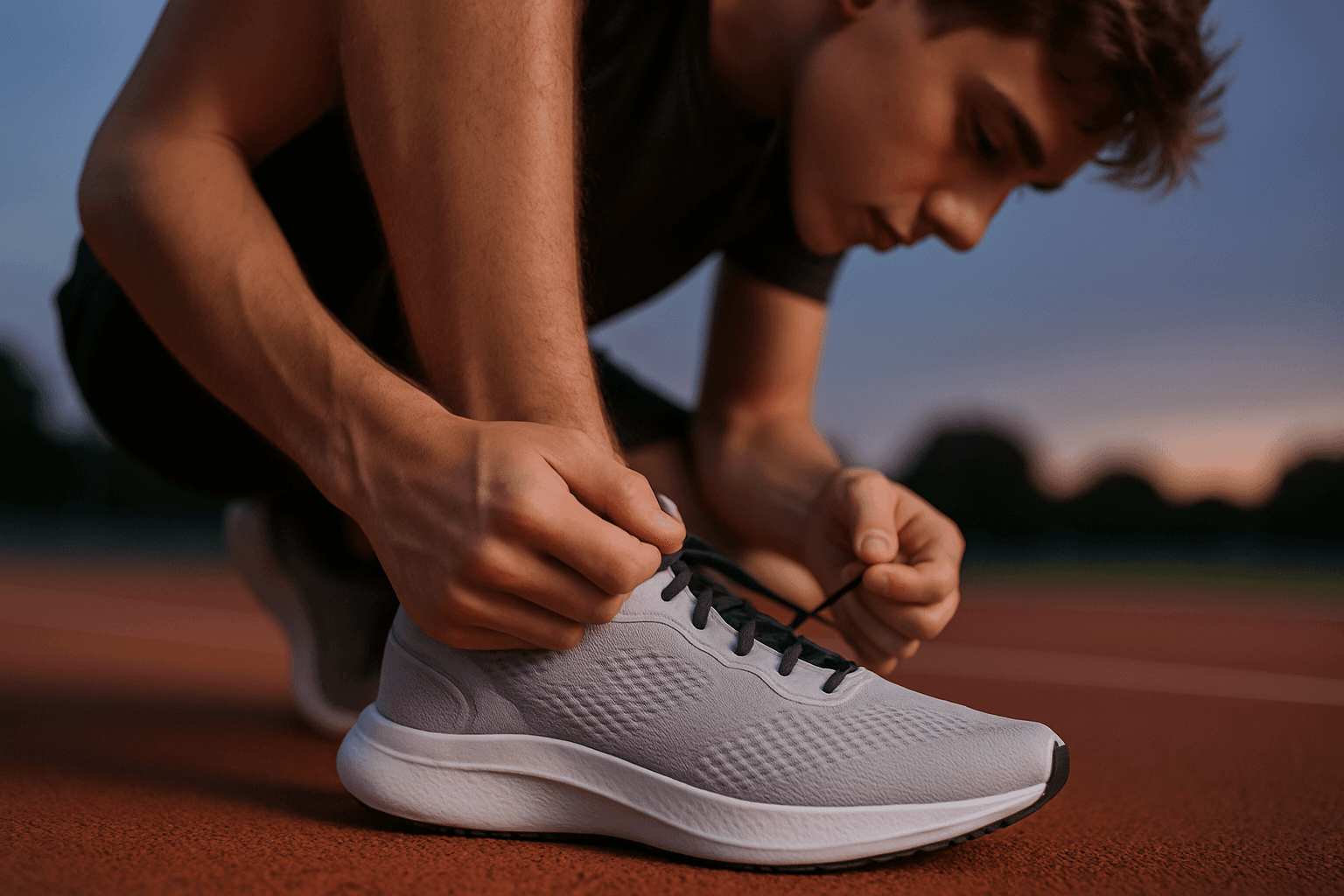
Sever's disease — clinicians increasingly call it calcaneal apophysitis, because it is not a disease at all — is irritation of the growth plate at the back of the heel bone in a still-growing child or teenager. The Achilles tendon and the plantar fascia both anchor near that growth plate, and during a rapid growth spurt the bone lengthens faster than the soft tissue can catch up. The result is a tight, over-loaded tug on the back of the heel that hurts during and after sport, hurts to squeeze the sides of the heel, and settles down once the bone and the tendons re-synchronize.
This is the single most common cause of persistent heel pain in kids aged eight to fourteen, and it is wildly common in the ones playing soccer, basketball, gymnastics or track. Estimates from pediatric sports medicine clinics run to as many as one in ten active kids in that age band having a run at it at some point. Symptoms follow the classroom-to-training rhythm: heel pain that flares by the end of practice, wakes them up walking to breakfast the next morning, then eases across the day only to spike again at the next game. Both heels often eventually get involved, though usually one leads.
The reason the diagnosis matters is that the adult playbook does not fit. A child with Sever's does not need a rigid custom orthotic, an aggressive stretching regimen, or a course of anti-inflammatories aimed at plantar fasciitis. They need cushioning at the back of the heel, a temporary cut in the exact sport that spiked it, calf-lengthening work timed to the growth spurt, and shoes that do not press directly on the sore area. Load an adult plantar fasciitis routine onto a Sever's heel and you can quietly make it worse. This page walks the pattern honestly — how to recognize it, why it happens, what actually helps, and when to escalate. Nothing here is medical advice, and no product on this site is a treatment for a growth-plate problem. A pediatrician, pediatric sports medicine clinician, or pediatric podiatrist is the right first stop for any heel pain in a child that has lasted more than a week or two.
How to recognize Sever's disease
Age is the first and biggest clue. Sever's shows up between roughly eight and fourteen years old, tracking the growth-plate window at the back of the heel bone. The growth plate fuses on average around age fourteen to fifteen in girls and fifteen to sixteen in boys, and once it has fused the condition is anatomically no longer possible. A ten-year-old soccer player with heel pain during and after games is a very common story; the same complaint in a twenty-year-old cannot be Sever's.
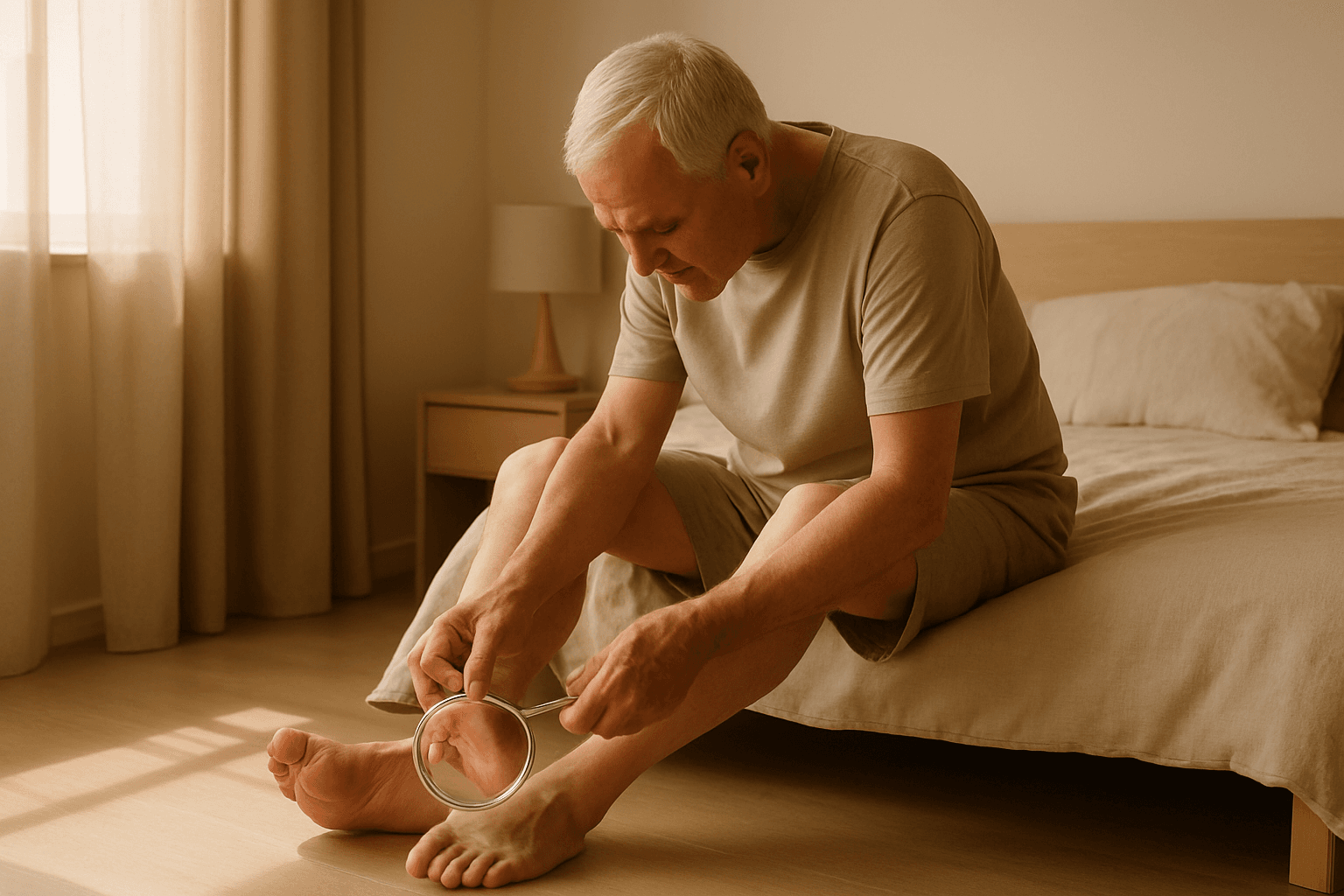
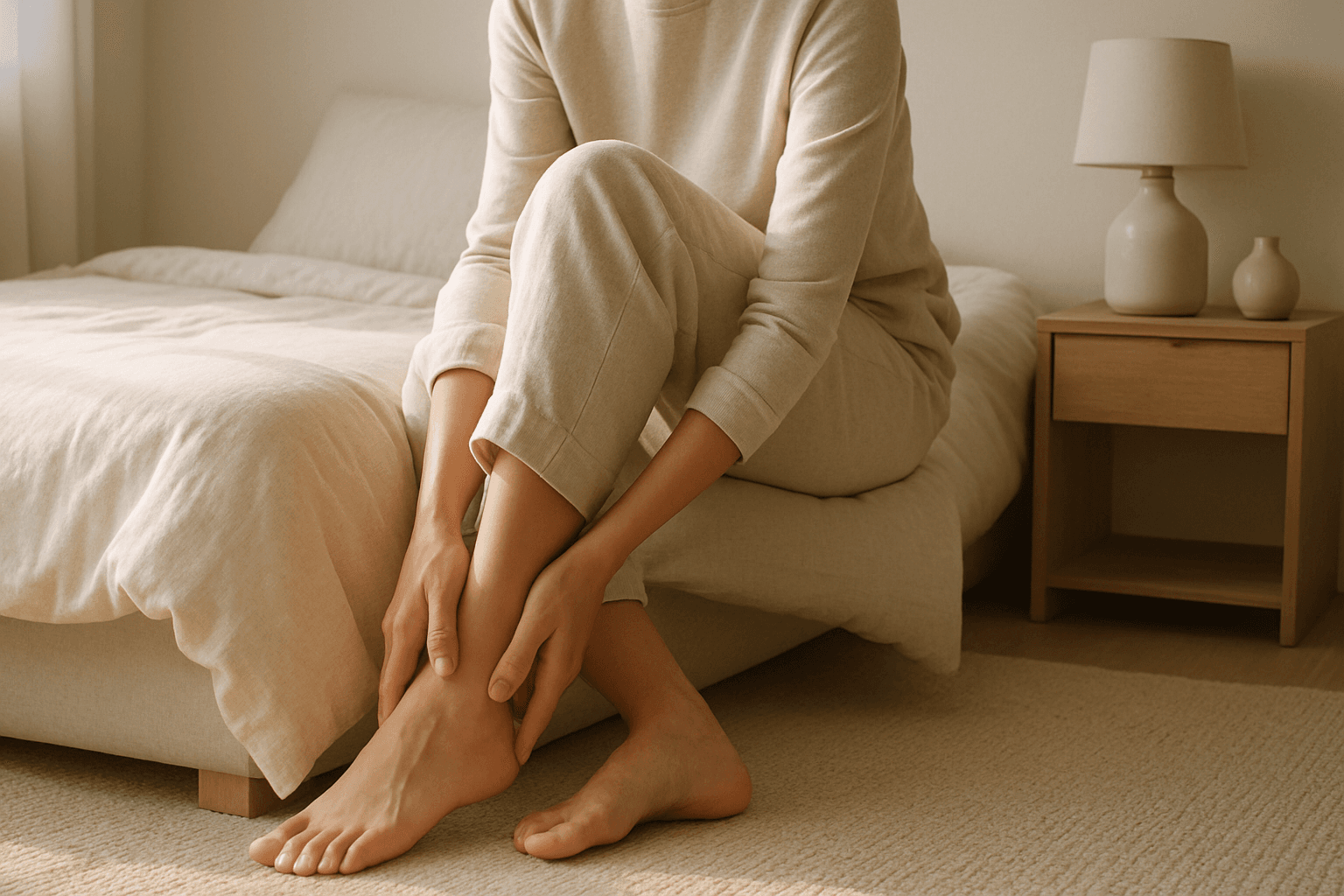
Location and behavior narrow it further. The pain sits at the back of the heel, right where the Achilles tendon and the plantar fascia both anchor near the growth plate. Squeezing the sides of the heel bone between thumb and finger (a lateral compression test any parent can do at home) reliably reproduces the pain in Sever's. Pain is worst during and just after activity — running, jumping, sprinting on hard surfaces — and often flares first thing the next morning before easing across the day. Kids typically limp for the first few minutes of a run, warm up out of it, then limp again after. That warm-up-then-flare-again rhythm is the fingerprint.
What Sever's usually is not: sharp under-heel pain in the very first steps of the morning that eases entirely with walking (that is more consistent with adult-style plantar fasciitis and is unusual in this age band); pain at rest or at night that wakes the child (which needs a clinician's read); heel pain with fever, swelling, warmth or redness (which is a same-week clinic visit for infection or inflammatory arthritis); or a sudden severe pain during a specific event (which raises the possibility of an avulsion fracture at the tendon insertion and needs imaging). Persistent heel pain in a kid deserves at least one pediatrician visit even when the pattern fits Sever's, because reassurance and a plan from someone who has examined the foot in person is worth more than any web page.
Why growth-plate heel pain happens
The back of the heel bone in a growing child has a piece of cartilage-lined growth plate (the calcaneal apophysis) sandwiched between two very strong anchors: the Achilles tendon coming down from the calf, and the plantar fascia running forward along the sole. During a growth spurt the bone lengthens on a fast schedule, and the tendon and fascia lag behind because they are living tissue that adapts more slowly. That tissue lag pulls harder on the growth plate than the plate can quietly tolerate, and the plate protests. Add a sport with repeated jumping and sprinting on hard surfaces — soccer on artificial turf, basketball on gym floors, gymnastics on a spring floor, track on synthetic surfaces — and the pull becomes a punishing daily load.
The predisposing factors that show up over and over in the pediatric sports medicine literature: a recent growth spurt, tight calves and hamstrings (which shorten fast during the same spurt), a sudden increase in training volume (a summer camp, a jump from house league to travel team, the switch from one sport per season to year-round), running or cutting on hard surfaces, cleats or spikes with minimal heel cushioning, and either a very high or very flat foot arch. Overweight is a factor for some kids but is far from the dominant one; a rail-thin, growing striker on a summer soccer team is one of the most common patients.
None of this is dangerous, and Sever's disease does not damage the growth plate long term. Studies following kids through the pain window and into the years after the growth plate fuses consistently find no lasting structural problem — the heel bone develops normally, function returns to baseline, and the vast majority of kids are back to their sport without restriction once the plate closes. That is the reassuring version of the diagnosis, and it is worth telling the child directly, because pain during sport at that age can feel bigger than it is.
What actually helps the Sever's heel
The plan has four pieces and they are unglamorous. First, cushion the back of the heel with a soft gel heel cup in every closed shoe the child wears all day — school shoes, cleats, sneakers, sports shoes. The heel cup absorbs impact and slightly lifts the heel, which shortens the working length of the tight Achilles and takes some of the constant pull off the growth plate. This is the single highest-leverage change most parents can make in an afternoon. See our how to use heel cups walk-through for the specifics on style and fit for a kid's foot.
Second, cut the trigger sport back for two to four weeks. Not to the couch — most kids in this age band do worse with total rest, and boredom is a bigger enemy than a well-modified schedule — but enough to let the growth plate calm. A common workable pattern: no running or jumping practice for two weeks (a swim day, a bike day, a strength day, plenty of active play), then a graded return over two to four weeks (drills only, then partial practice, then full practice, then games). Cutting the exact ramp that spiked the heel is what the tissue needs; a general week off does much less if the child returns straight to full training.
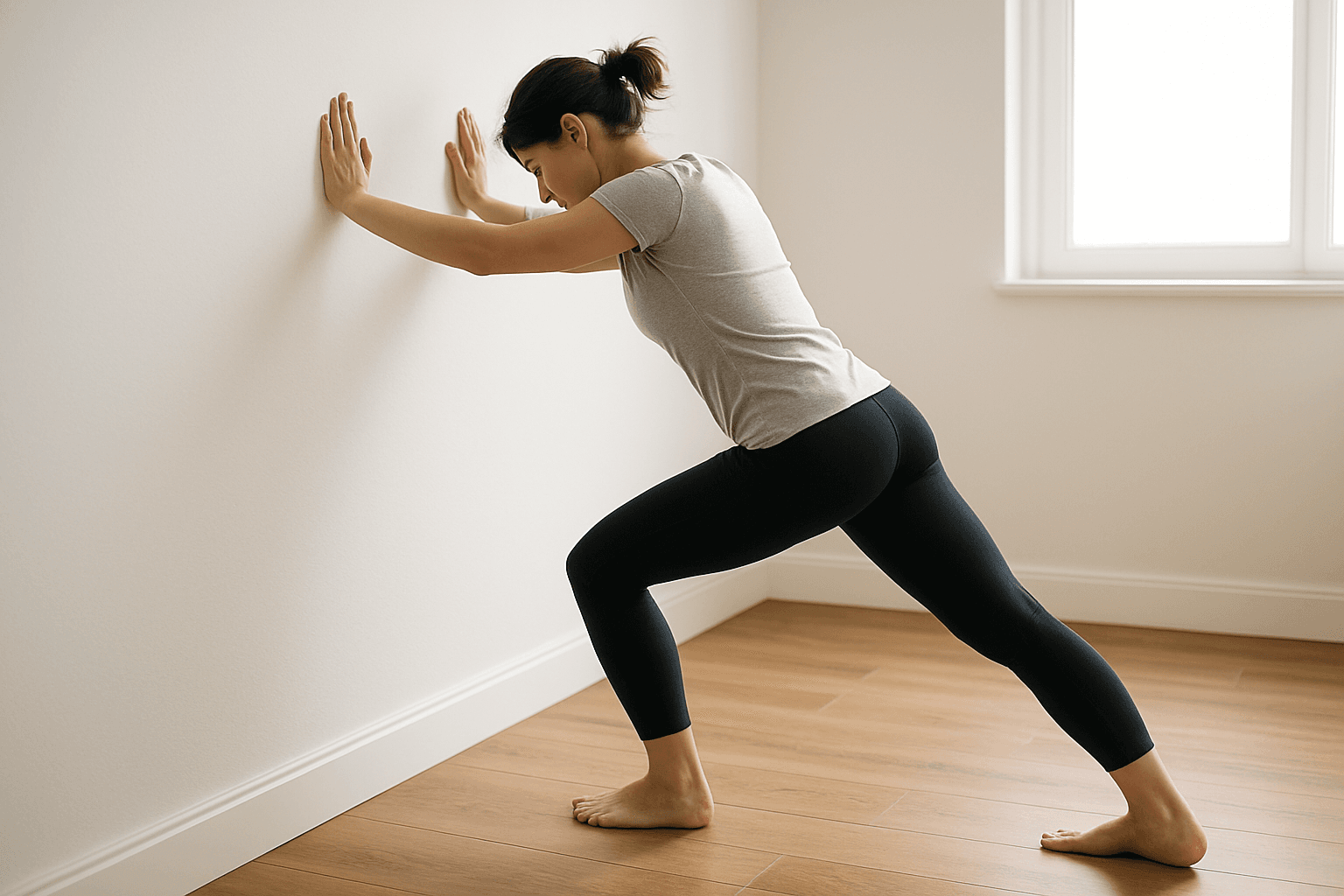
Third, do a short daily calf stretch alongside a hamstring stretch, once the acute soreness has settled. Sever's is a tug-of-war problem — a lengthening bone and a lagging tendon — and lengthening the tendon side helps the ratio. Simple wall calf stretches for thirty seconds per leg, twice a day, plus a seated hamstring stretch, is enough. Kids do not need aggressive PNF routines; consistency beats intensity here. Skip the stretching in the first three or four days if the heel is very sore, and reintroduce it as a maintenance habit.
Fourth, look at shoes. Cleats and spikes with a very stiff, minimally cushioned heel are common offenders. Kids who play multiple sports may only get Sever's in one — the game and shoe combination that pins the heel worst. Adding a soft heel cup to the offending cleat, taping the heel with a small pad in a stiff back-of-shoe, and using a running shoe with an ordinary cushioned heel between practices makes the daily load meaningfully lighter. Everyday school shoes with a slight heel and a supportive insole beat completely flat canvas sneakers during a Sever's flare.
What is not on the list: rigid custom orthotics as a first move (rarely needed and expensive during a growth window), scans and MRI in a case that fits the pattern (Sever's is a clinical diagnosis in the right age band with the right exam), and cortisone injections into the growth plate area (avoided in kids for good reason). Anti-inflammatories can help acute soreness in the short term at pediatric doses with a family doctor's okay, but they are not the plan — they are a comfort tool while the plan does the work.
The recovery timeline parents actually see
A modest Sever's flare in a kid who honestly cuts the trigger sport and adds a heel cup usually feels meaningfully better inside two weeks and is largely settled by six to eight weeks. A more stubborn case that ignores the training cut can drag on for several months, flare across two or three seasons of a growth spurt, and generally frustrate everyone. The single biggest predictor of a quick recovery is how honest the two-week training cut is; the single biggest predictor of a slow one is a kid who keeps playing through it while the parents hope for the best.
Both heels often eventually get involved, and one may quiet while the other flares. That is not a treatment failure — it is the growth plate doing its thing on a different schedule for each foot. Once the calcaneal apophysis fuses (usually at fourteen or fifteen in girls and fifteen or sixteen in boys), the condition is anatomically over, and the child will not have another Sever's flare for the rest of their life. That reassurance matters, because a kid who has had a summer of heel pain often assumes it will haunt them into adulthood.
Cases worth escalating: a heel that is not clearly settling after four to six weeks of an honest plan, pain that is severe enough to change how the child walks day-to-day, any red flags (fever, swelling, warmth, night pain, a specific injury event), or a family that is unsure whether the pattern fits. A pediatric sports medicine clinician or pediatric podiatrist can confirm the diagnosis, tune the plan, and rule out the small number of things that mimic Sever's — a calcaneal stress fracture, an avulsion at the Achilles insertion, an inflammatory arthritis, or (rarely) a bone tumor.
How Sever's differs from the adult heel-pain patterns on this site
Adult plantar fasciitis lives underneath the front of the heel, hurts worst on the first steps of the morning after eight hours off the feet, and rewards arch support in a firm insole. Sever's lives at the back of the heel over the growth plate, hurts worst during and after sport, and rewards cushioning under a soft heel cup rather than aggressive arch support. Our plantar fasciitis symptoms walk-through covers the adult pattern in detail; if the map on this page does not match your child's pain, that one is the next read.
Adult Achilles tendinopathy is anatomically the closest neighbor of Sever's — same anchor, different age bracket — but Achilles tendinopathy in an adult sits in the tendon substance above the insertion, not in the growth plate under it. Kids do not really get adult-style Achilles tendinopathy; they get Sever's until the plate fuses. Persistent heel pain in a fifteen- to seventeen-year-old who is finishing their growth spurt is worth reading against both patterns, because the case can straddle the two.
The one thing all of these share: they respond to load management rather than to a single gadget. In an adult, that means calf stretching, a supportive insole and a cut in the trigger activity. In a kid, it means a soft heel cup, a cut in the trigger sport, and a calf stretch timed to the growth spurt. Same shape of plan, different specifics — and neither is a cure. Every recommendation on this site is written for comfort, support and relief. See our heel pain hub for the full map.
The heel cup guide that pairs with a Sever's plan
A soft gel heel cup in every closed shoe is the single highest-leverage change for a growth-plate heel. Our walk-through covers fit, style and how to size for a kid's foot.
The heel cup guide that pairs with a Sever's plan →Frequently asked questions
How do I know if my child has Sever's disease and not plantar fasciitis?
Age does most of the work: adult-style plantar fasciitis is very rare in an eight-to-fourteen-year-old, and Sever's disease is very common in the same window. The pattern also differs — Sever's hurts at the back of the heel during and after sport, and squeezing the sides of the heel bone reproduces the pain; plantar fasciitis hurts underneath the front of the heel with the first steps in the morning. Persistent heel pain in a child still deserves a pediatrician's visit to confirm the pattern and rule out the less common mimics.
How long does Sever's disease last?
A modest case with an honest two-to-four-week cut in the trigger sport, a soft heel cup in every closed shoe, and a daily calf stretch usually feels meaningfully better in two weeks and is largely settled by six to eight weeks. Stubborn cases that keep playing through drag on for several months and can flare across multiple seasons of a growth spurt. The condition is anatomically over once the growth plate at the back of the heel bone fuses, usually around fourteen or fifteen in girls and fifteen or sixteen in boys.
Should my child stop playing sports with Sever's disease?
Total rest is usually not necessary and often backfires — kids in this age band do worse with couch-bound weeks. A workable pattern is a two-week cut in the specific trigger sport (no running or jumping practice, but plenty of swim, bike or active play), followed by a graded two-to-four-week return: drills only, then partial practice, then full practice, then games. The size of the cut is what the tissue needs; a general week off does much less if the child returns straight to full training.
Do heel cups actually help Sever's disease?
Yes, and they are the single most useful item most families can add in an afternoon. A soft gel heel cup in every closed shoe absorbs impact at the back of the heel and slightly lifts the heel, which shortens the working length of the tight Achilles and takes some of the constant pull off the growth plate. It is not a treatment for the underlying growth-spurt mismatch, but it changes the daily load enough that the plate calms while the child grows out of the window. Our how to use heel cups walk-through has the specifics.
Are custom orthotics needed for Sever's disease?
Rarely as a first move. A soft over-the-counter heel cup and a supportive insole are the honest starting point, and most cases settle without ever moving to a custom device. Custom orthotics come up more often for kids with a very flat or very high arch alongside the Sever's picture, or for kids whose case has resisted several months of conservative care. A pediatric podiatrist is the right person to make that call. Any product on this site is a comfort and support tool, not a treatment for a growth-plate problem.
Can Sever's disease cause lasting damage?
No. Follow-up studies through and beyond the growth-plate closure window consistently find no lasting structural problem — the heel bone develops normally, function returns to baseline, and the vast majority of kids are back to their sport without restriction once the plate fuses. That reassurance is worth telling the child directly. What can go wrong is a bad short-term season if a case is ignored and dragged out for months; the good news is that no lasting cost hangs over the years after.
HeelCups is reader-supported. When you buy through links on our site we may earn an affiliate commission, at no extra cost to you. This article is general information about foot comfort and is not medical advice — see our medical disclaimer.