HIGH ARCHES
Insoles for High Arches: What Supports a Rigid Foot and What Only Looks Supportive
High-arched feet need cushion and contact more than extra lift. Here is how to pick an insole that spreads load across a foot that barely touches the ground.
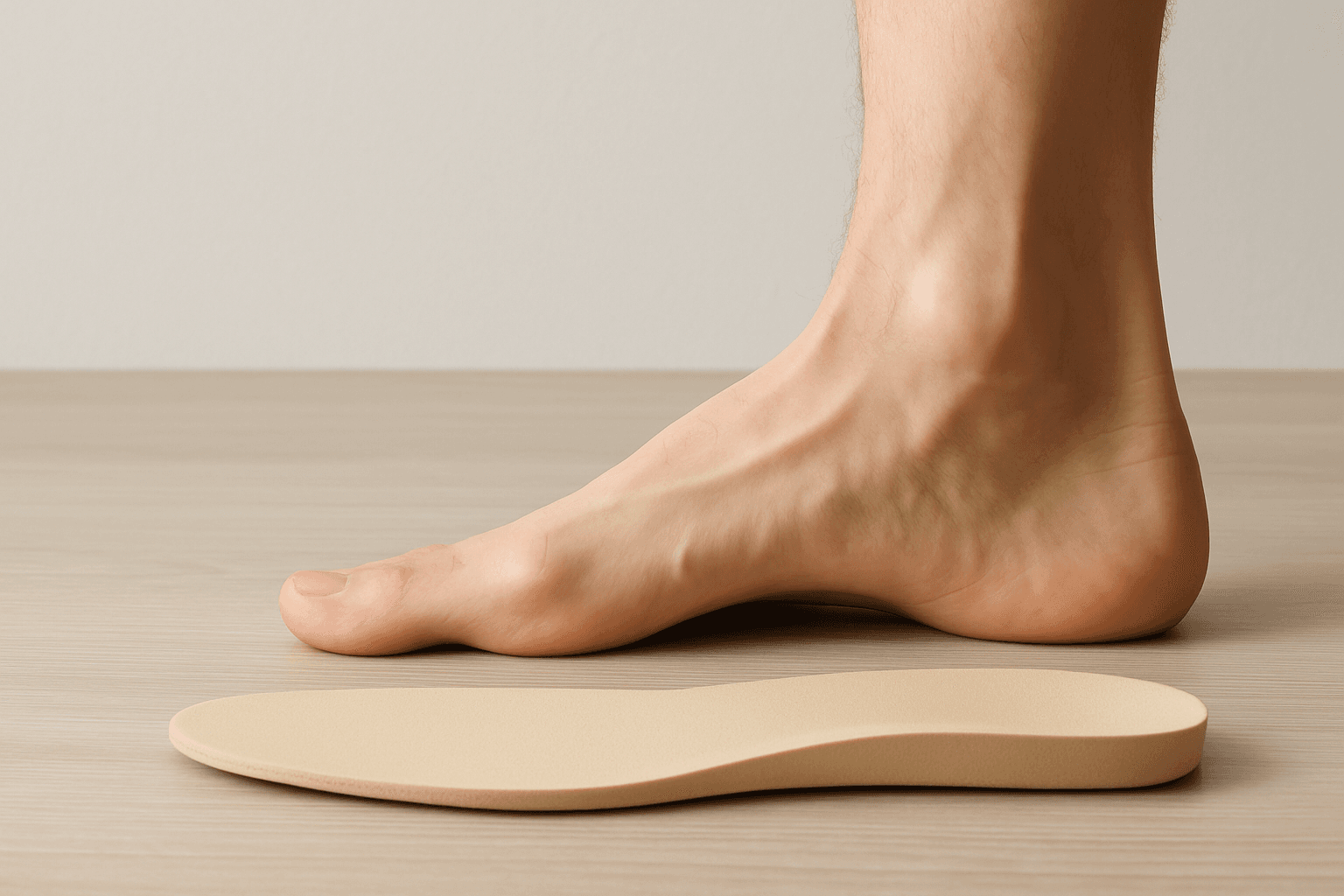
If you have high arches, the best insole is usually not the one with the tallest arch bump. A high-arched foot already holds itself up; what it lacks is contact and cushion. Because only the heel and the ball of the foot touch the ground in a big way, those two areas take much of the load. The goal of an insole is to fill in the gap under the arch, so weight spreads across more of the foot, and to cushion the heel and forefoot.
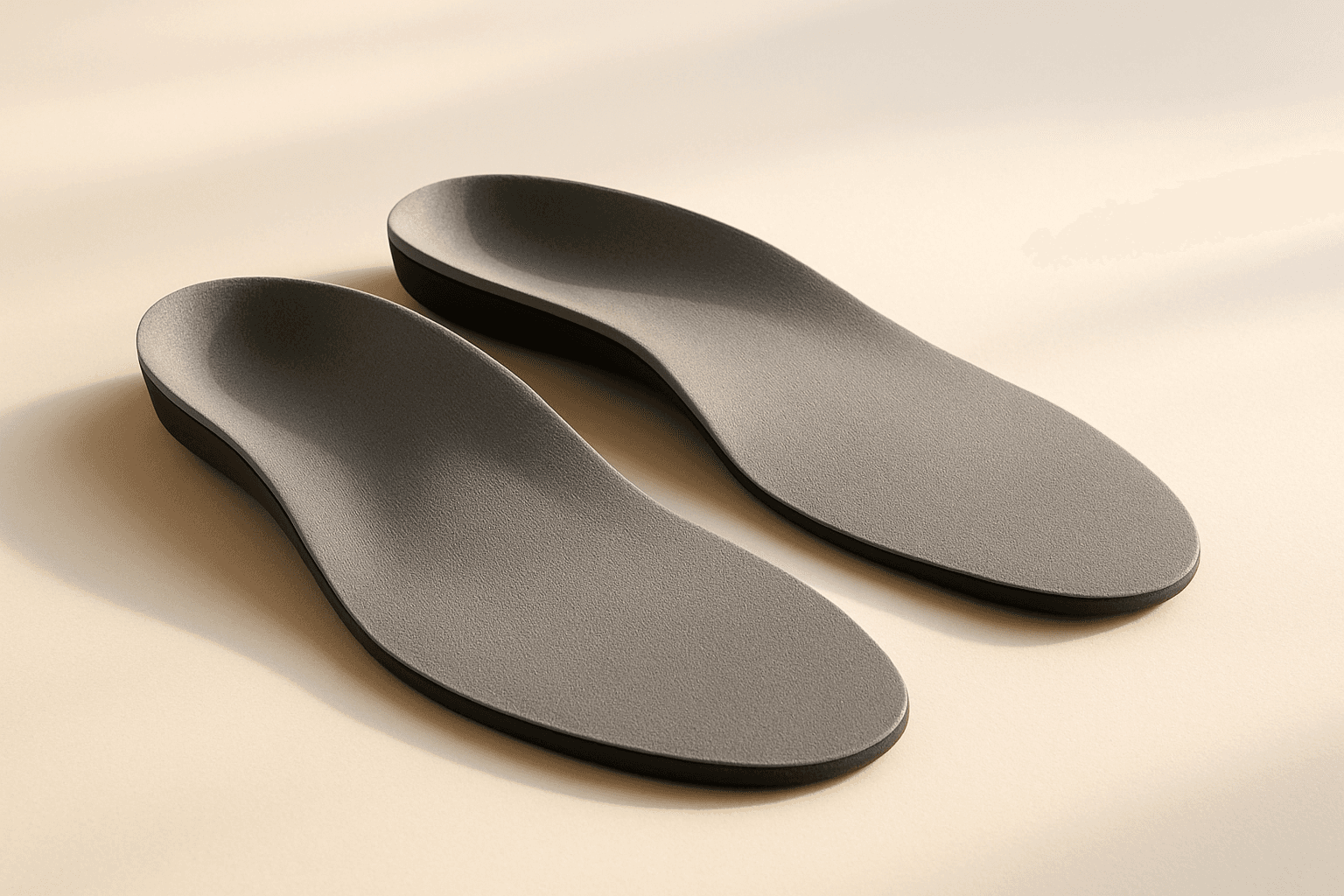
That is why a high-arch insole should be moderately firm under the arch with a snug heel cup and some give at the heel and ball. An aggressively tall, hard arch can feel like a ridge under the foot and make things less comfortable. Think contour that matches your foot, not a bigger bump.
Below we cover how to confirm you have a high arch, what features to look for, how to break an insole in, and when to see a podiatrist. Insoles are comfort and support tools; they do not change the shape of your foot or replace medical advice, and persistent pain deserves a doctor or podiatrist.
How to tell if you have a high arch
The simple home check is the wet footprint test. Wet the sole of your foot and step on a dark paper bag or a flat dry surface. A high arch leaves a print where the heel and ball are connected by a thin strip or not at all. A neutral foot shows a broad band; a flat foot shows nearly the whole sole.
Other signs include shoes that wear along the outer edge, a foot that looks rigid or bowed, hammer or claw toes, calluses under the heel and ball, and frequent ankle rolling. Many high-arched feet also supinate, meaning they roll outward, which our supination insoles guide covers in more detail.
Why high arches get sore heels and forefeet
A rigid arch absorbs less shock, so more of it travels into the heel and the ball of the foot. The plantar fascia can also be held under higher tension because the arch is already raised. High arches are commonly linked with plantar fasciitis, metatarsalgia and heel pain generally, though shape alone does not decide who gets symptoms; footwear, activity and body load all matter.
If your pain is under the heel in the morning, our plantar fasciitis hub explains the pattern. If it is under the forefoot, see our page on ball of foot pain.
Features that matter in a high-arch insole
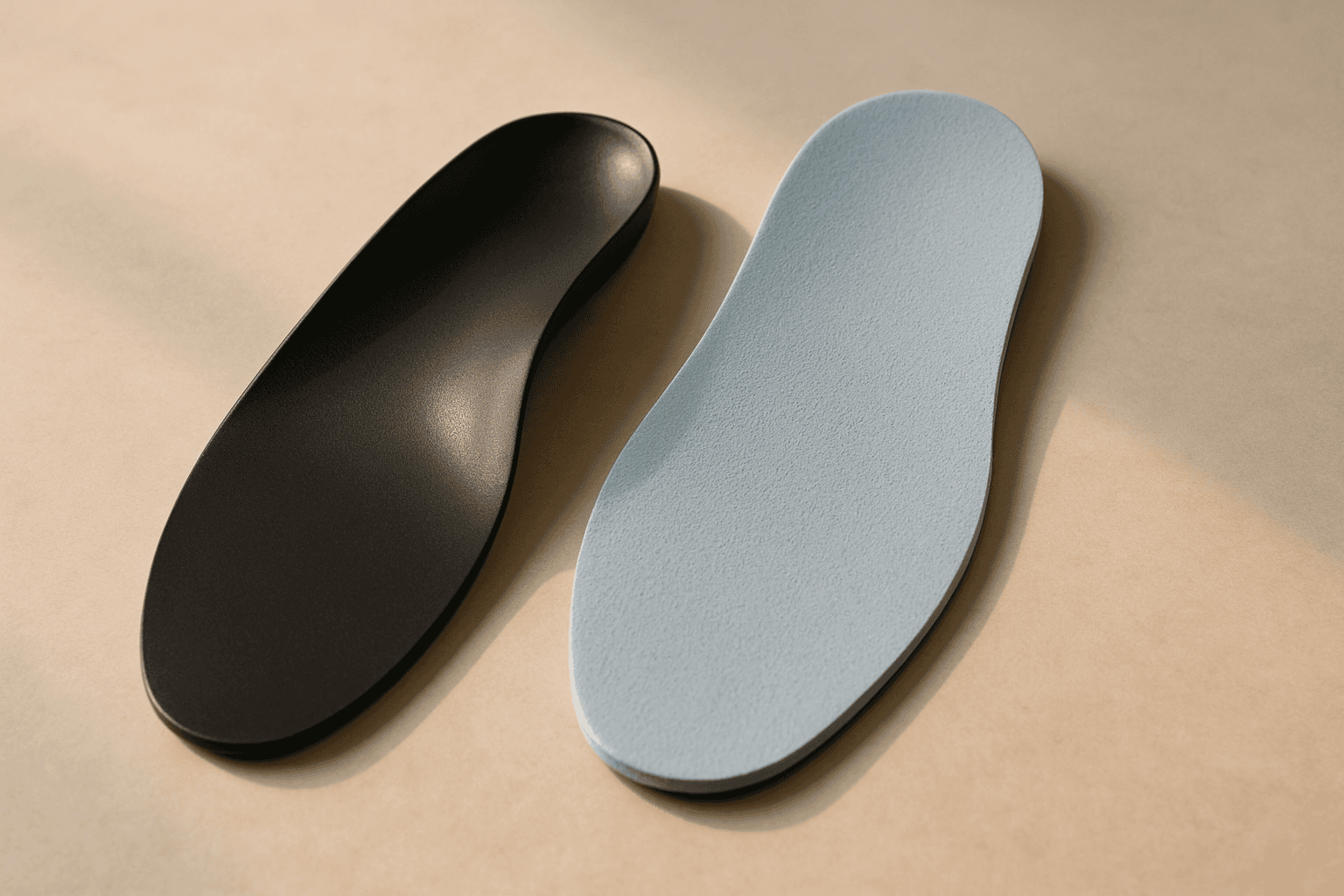
Look first for full-length or three-quarter contact under the arch. The material should be firm enough to hold its shape but with a slight give so it does not feel like a plank. Next, a deep heel cup cradles the fat pad and keeps it centered under the heel bone, which our gel vs silicone heel cups guide explains in terms of cushioning.
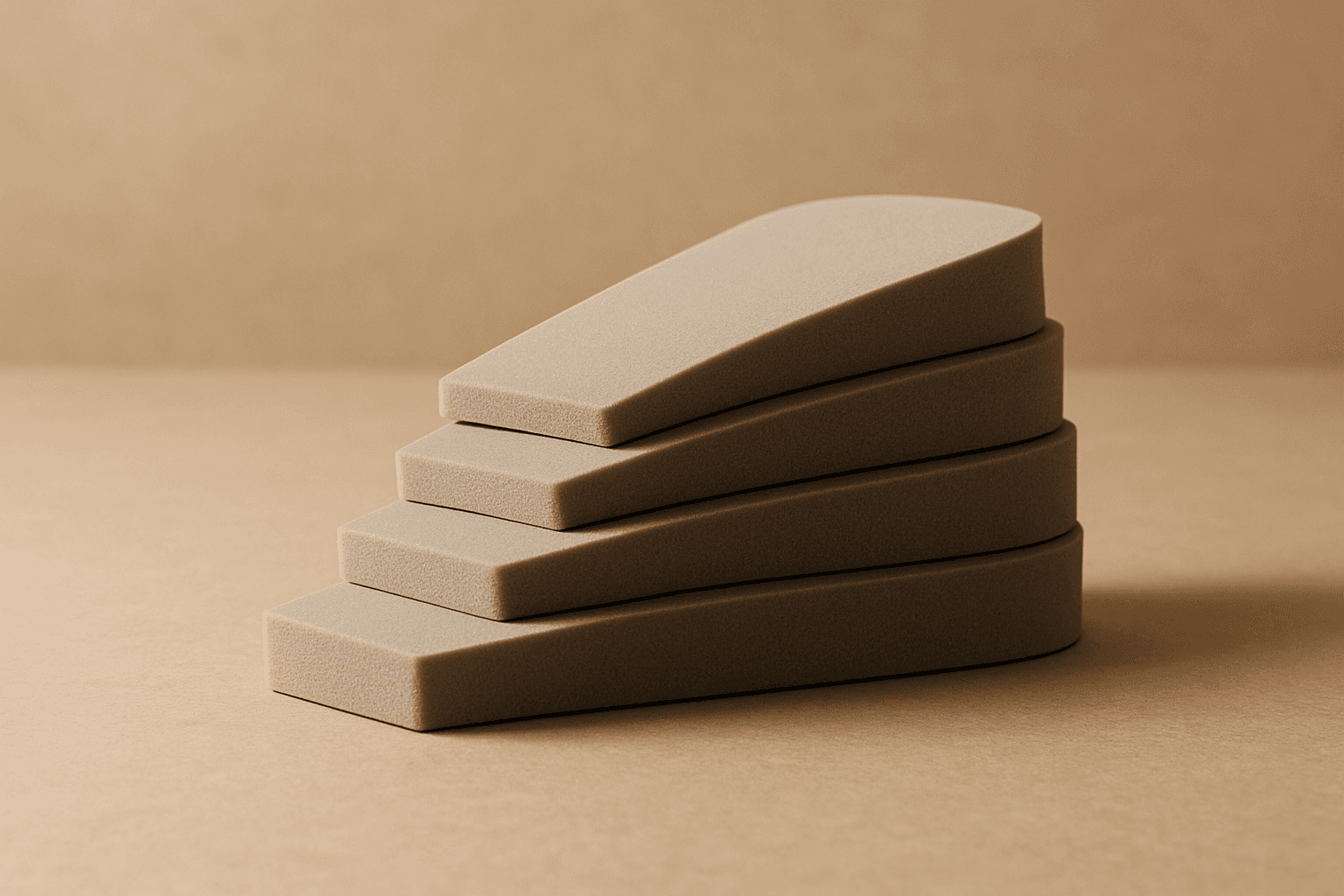
Cushioning at the forefoot helps if you have ball-of-foot soreness; look for a layer of foam or gel under the metatarsal heads rather than a thin top cover. A slightly lateral heel wedge can help some supinators, but only a clinician should prescribe that level of correction. Avoid insoles marketed only by arch height number, since heights are not standardized between brands.
Getting the fit and the break-in right
Remove the shoe's own insole, trace it onto your new insole and trim along the outline. Check that the heel sits fully in the cup and the arch contour lines up under your own arch rather than ahead of it. If the shoe becomes tight over the instep, a thinner insole or a roomier shoe is the solution.
Wear new insoles for one to two hours on the first day and add an hour each day for a week. A high-arch insole will feel firm under the arch at first; mild awareness is normal, a bruise-like pressure spot is not. If a hard spot persists, try a softer model. Our how to use heel cups page covers placement and break-in.
Shoes and habits that work with the insole
The best insole in a worn-out shoe does little. Choose shoes with a firm heel counter, a cushioned midsole and enough depth that the insole sits flat. Rotate between pairs and replace running or work shoes when the midsole is compressed and the outsole wears unevenly.
Calf and plantar fascia stretching is useful for many people with high arches since a stiff foot often goes with tight calves. Build up walking and running load gradually. If you are on hard floors all day, our guide to insoles for standing all day covers durability.
When to see a podiatrist
Book a visit if you have pain lasting beyond four to six weeks of sensible care, recurrent ankle sprains, numbness or burning, a foot that has become much higher-arched over time, or any high arch in a child with pain. A podiatrist can assess whether a custom orthotic is worthwhile. Over-the-counter insoles are a reasonable first step for ordinary soreness, and our guide to orthotics vs insoles explains the difference.
See our pick for everyday arch and heel support
A trim-to-fit insole with a firm arch contour and a deep heel cup, reviewed in full.
See our pick for everyday arch and heel support →Frequently asked questions
What kind of insole is best for high arches?
One that contacts the arch along its length with a moderately firm contour, a deep heel cup and cushioning under the heel and forefoot. Taller is not automatically better.
Can insoles make high arches more comfortable?
For many people they do, by spreading pressure across more of the sole. They do not change the structure of the foot, so think of them as comfort and support.
Why does my insole feel hard under the arch?
A new insole often feels firm for the first days. Increase wear time gradually. If a hard pressure spot remains after a week, try a softer or lower-contour model.
Do high arches cause plantar fasciitis?
They are associated with it because a rigid arch absorbs less shock and keeps the fascia under tension, but many people with high arches never have heel pain. Footwear, activity level and calf tightness also play a part.
Should I get custom orthotics for high arches?
Not necessarily. Many people do well with a good over-the-counter insole. If pain persists after several weeks, a podiatrist can say whether custom orthotics would add anything.
HeelCups is reader-supported. When you buy through links on our site we may earn an affiliate commission, at no extra cost to you. This article is general information about foot comfort and is not medical advice — see our medical disclaimer.