INNER HEEL PAIN
Pain on the Inside of the Heel: What It Usually Means and What to Try First
Medial heel pain has a shorter list of causes than heel pain in general. Here is how to sort fascia, nerve, fat pad and bone.
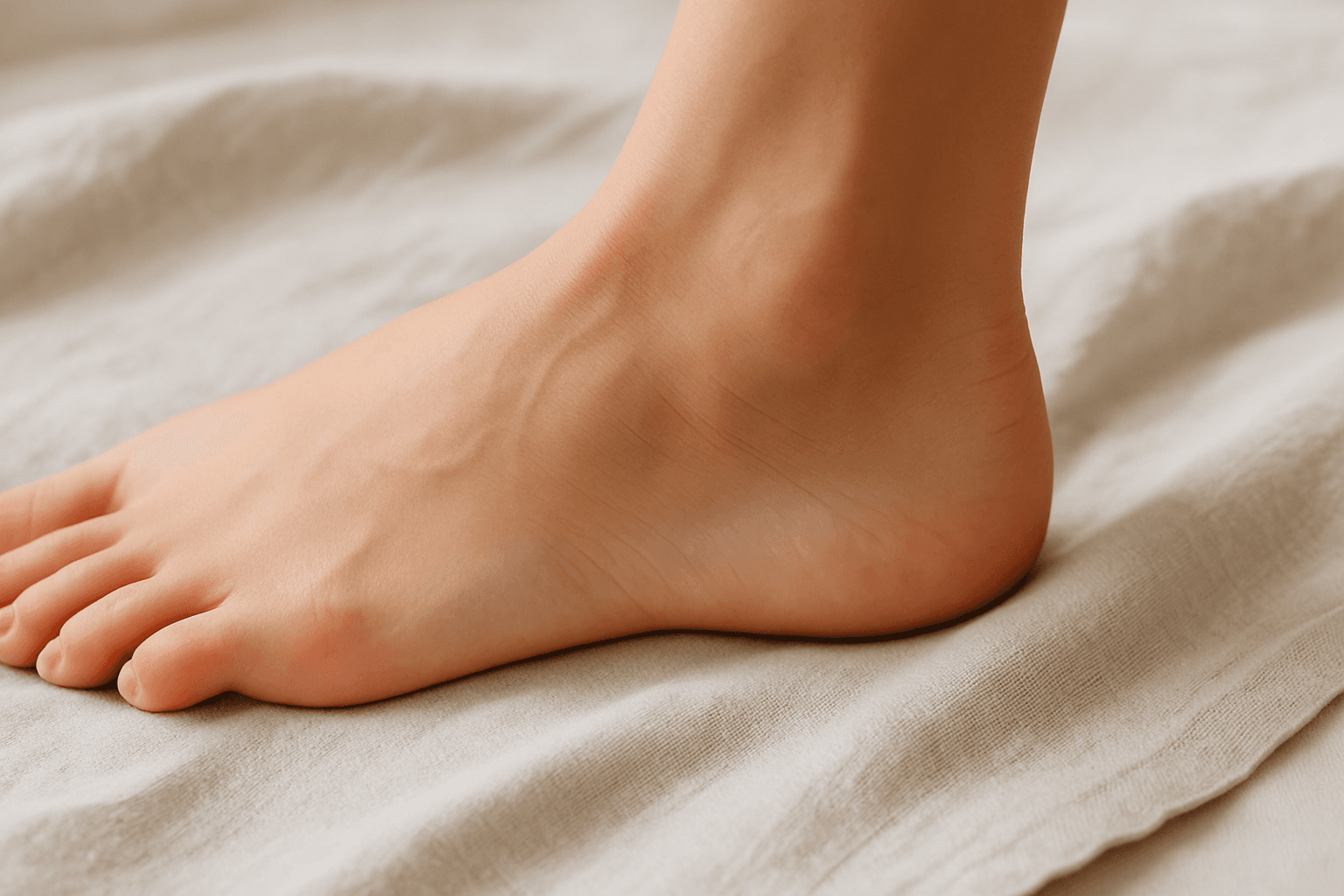
Pain on the inside edge of the heel, the side facing your other foot, most often comes from the plantar fascia where it attaches to the heel bone. The next most common sources are an irritated nerve, a worn heel fat pad and, less often, a stress fracture of the heel bone. The distinction matters because the first three respond to different habits, and the last one needs a clinician.
A useful rule of thumb from clinical reference pages: pain that is worst with the first steps after rest suggests the fascia, while pain that gets worse the longer you walk suggests nerve entrapment. Burning, tingling or numbness points toward a nerve, and pain that is deep in the middle of the heel and dull points toward the fat pad.
Start with supportive shoes, a cushioned heel cup and a sensible cut-back in what set it off. If nothing has improved in a few weeks, or the pain follows a fall or a sudden jump in exercise, see a doctor or podiatrist. This page is a map, not a diagnosis.
Plantar fascia attachment pain
The fascia attaches to the inner side of the underside of the heel bone, which is why plantar fasciitis so often hurts on the inside of the heel when you press there. The pattern is stiff, sharp first steps in the morning or after sitting, then easing. Calf tightness, new job standing, unsupportive shoes and recent weight changes are the usual triggers. Our plantar fasciitis hub and symptoms guide cover it in detail.
Nerve irritation: tarsal tunnel and Baxter's nerve
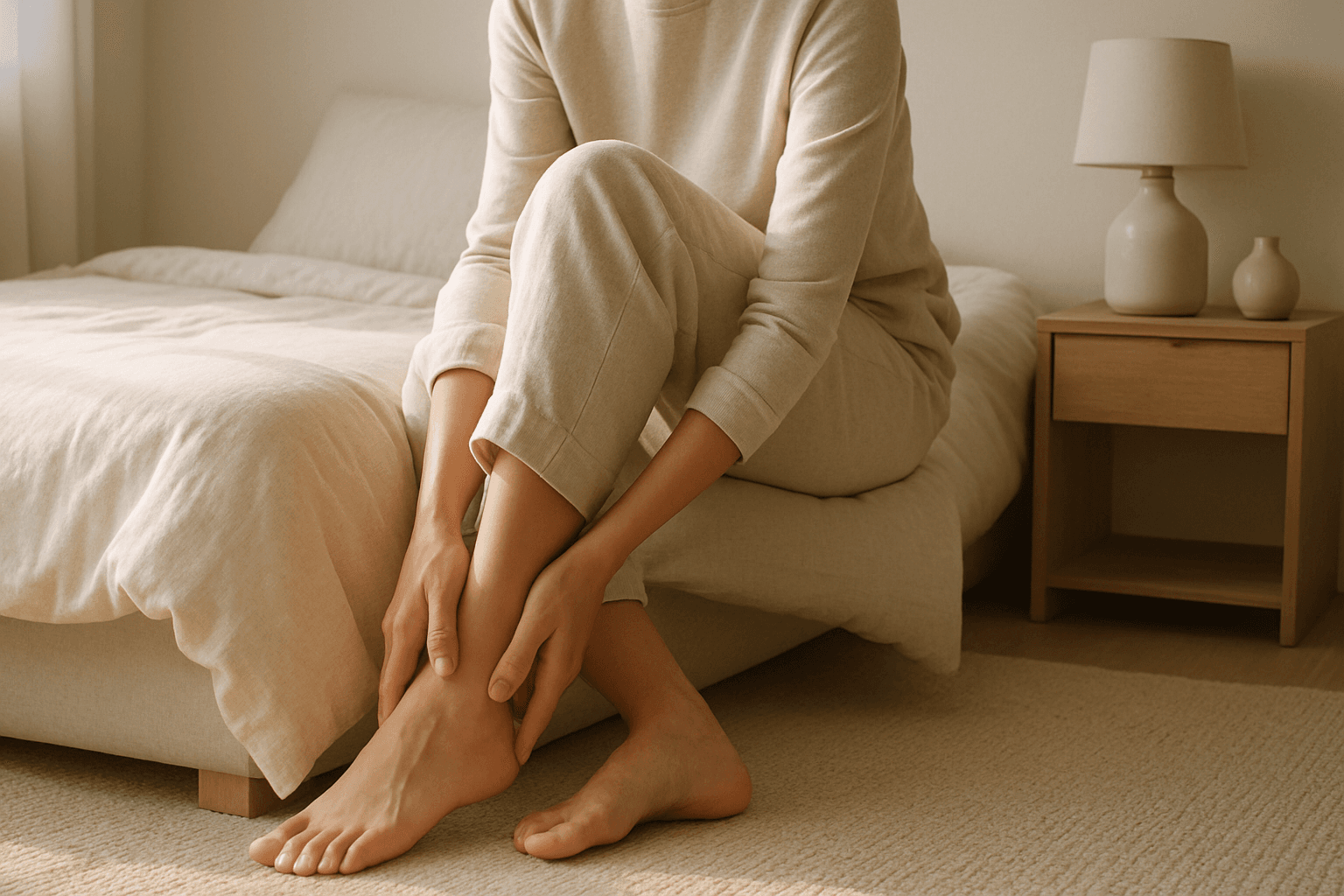
The tibial nerve runs through the tarsal tunnel behind the inner ankle bone. Clinical sources describe tarsal tunnel syndrome as pain, burning or tingling along the inside of the ankle and into the arch or heel, sometimes with numbness. Tapping over the nerve can reproduce tingling, though that test is often negative.
Baxter's nerve, a branch that travels along the inside of the heel, can also be squeezed. Reference sources describe a burning ache on the inside of the heel that tends to worsen with activity, and note that it often occurs alongside plantar fasciitis. If burning or numbness is part of your picture, read our tarsal tunnel page and get it examined.
The heel fat pad
The fat pad under the heel is the cushion that absorbs landing force. When it thins or is bruised, the pain is deep and central, and it is easy to confuse with plantar fasciitis. It is more common with age, hard floors, barefoot walking and, per clinical sources, repeated steroid injections. A cushioned heel cup that holds the pad in place under the bone is the usual comfort measure. See our fat pad syndrome guide.
Stress fracture: the one not to ignore
A stress fracture of the heel bone usually follows a sudden increase in running, marching or jumping. Sources describe it as pain that squeezing the sides of the heel makes worse, pain with impact that does not ease with warm-up, and sometimes swelling. Read heel stress fracture and see a clinician promptly rather than walking it off.
What to try first
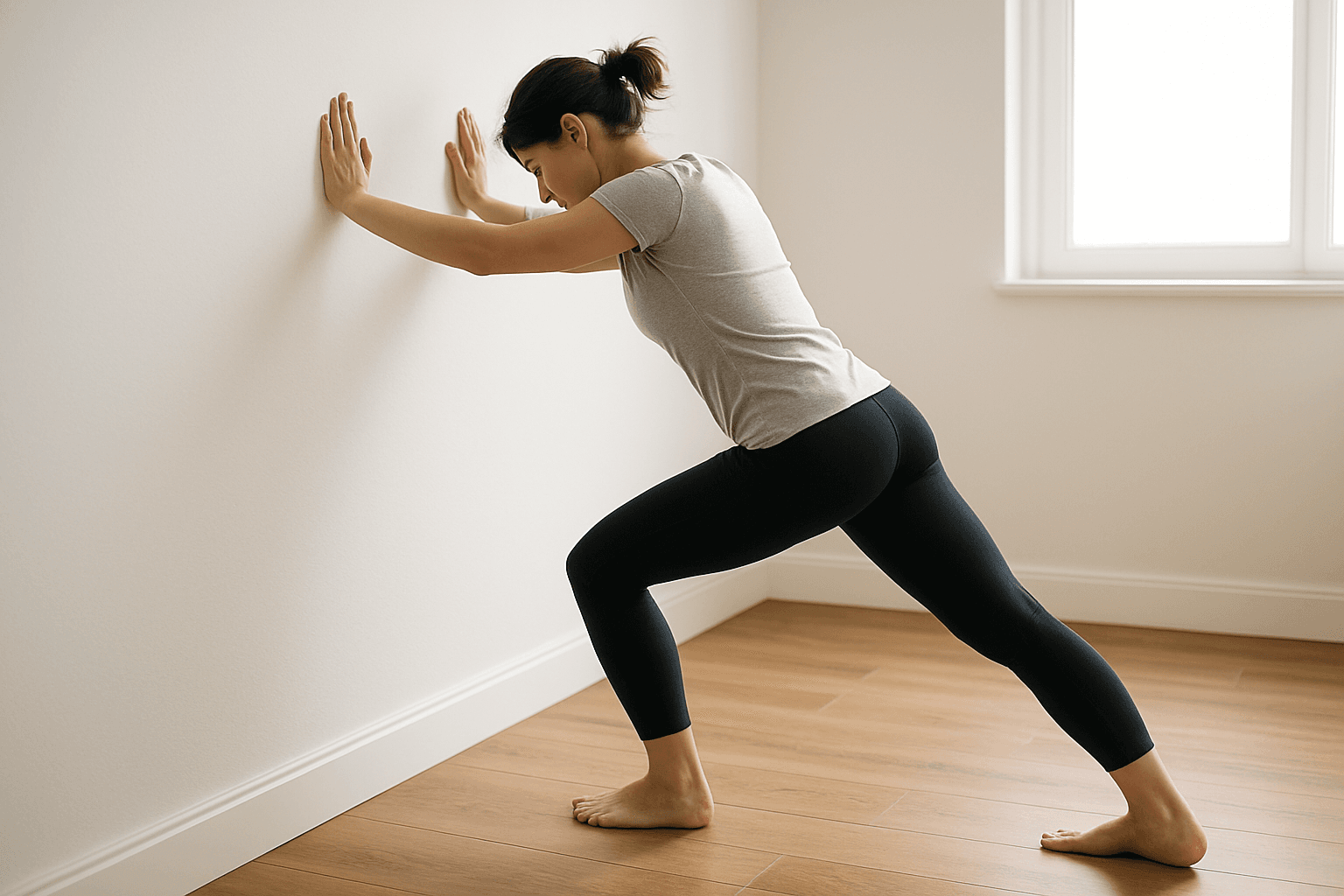
For the common fascia and fat pad patterns: wear supportive shoes indoors and out, add an insole with a firm arch and a deep heel cup, stretch the calves twice a day, and roll the arch over a ball or a frozen bottle in the evening. Our Akusoli insoles review covers a trim-to-fit option.
Give it a fair test of two to four weeks. If you feel burning, numbness or tingling, or the pain is worsening, skip the DIY approach and get it examined.
A quick self-check before you change anything
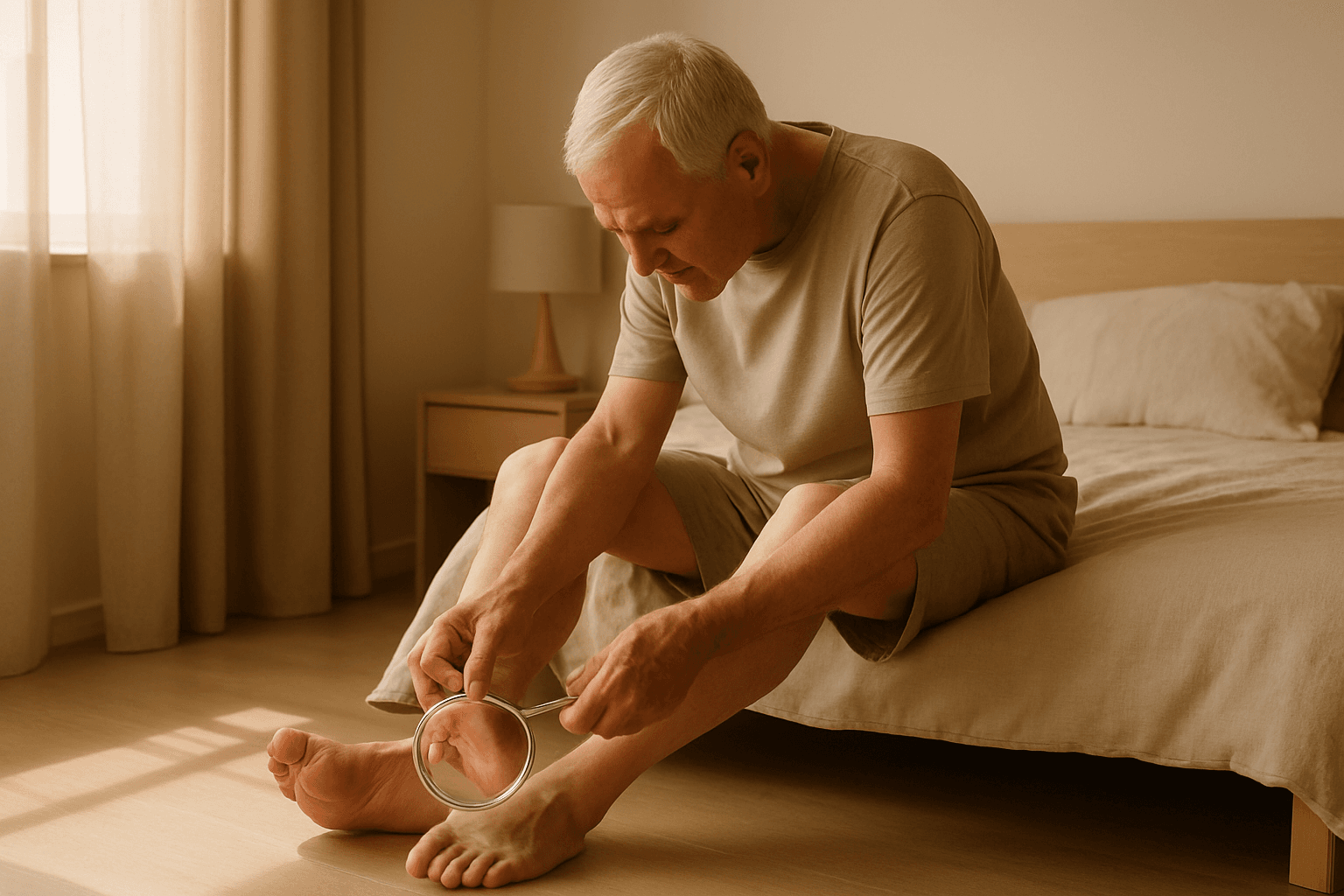
Sit down, cross the sore foot over your knee and press with a thumb along the inner edge of the heel, then slowly further forward along the arch. Note whether one exact spot is tender or the whole area. Then squeeze the sides of the heel gently with both hands. A single tender spot at the front of the heel fits the fascia. A dull, central ache fits the fat pad. Pain on squeezing the sides of the heel, or pain that persists at rest, is a reason to be examined rather than to keep testing it yourself.
Also think about timing over the past few weeks. A new job on concrete, a switch to flatter shoes, a jump in running or walking, or a gain in weight all raise load on the heel. Changing the one thing that changed is often the most effective single step, and it costs nothing. Write down what the pain does for a week, including the morning, after sitting and at the end of the day, so you can describe it clearly if you do book an appointment.
Footwear and habits that make it worse
Flat, thin-soled shoes, worn-out trainers, backless slides and walking barefoot on tile all reduce cushioning and arch support under the heel. Standing in one spot for hours is harder on the heel than walking. If your work requires it, a cushioned mat, supportive shoes and short walking breaks make a noticeable difference to how the end of the day feels.
Tight calves pull on the heel bone through the Achilles tendon and increase the strain on the fascia, so a minute or two of calf stretching morning and evening is one of the cheapest habits you can add. Our plantar fasciitis stretches page shows how.
When to see a doctor or podiatrist
Book an appointment for pain after a fall, swelling, numbness, night pain, trouble bearing weight, pain in both heels with back symptoms, or any heel pain that has not eased after several weeks of consistent home care. A clinician can examine the nerve, order imaging if needed and rule out causes home care cannot touch.
See the insole we reviewed
Firm arch, deep heel cup, trim-to-fit for the shoes you already own.
See the insole we reviewed →Frequently asked questions
Why does the inside of my heel hurt?
The usual cause is plantar fascia irritation where it attaches to the heel bone. Nerve irritation, a thinned fat pad and a stress fracture are the other main possibilities.
How do I tell nerve pain from plantar fasciitis?
Fascia pain is worst on the first steps after rest and eases as you move. Nerve pain more often burns or tingles, may come with numbness, and tends to build with activity. Both can occur together.
Can tarsal tunnel cause heel pain?
Yes. Pain, burning or tingling along the inner ankle can spread into the heel and arch. It needs a clinician to confirm.
Will a heel cup help inside-of-heel pain?
For fat pad and fascia patterns, a cushioned heel cup that cradles the pad is a common comfort measure. It will not address a nerve problem or a fracture.
Is inner heel pain serious?
Often not, but see a clinician if it follows an injury, comes with numbness or swelling, wakes you at night, or does not improve after a few weeks of home care.
HeelCups is reader-supported. When you buy through links on our site we may earn an affiliate commission, at no extra cost to you. This article is general information about foot comfort and is not medical advice — see our medical disclaimer.