ACHILLES
Insertional Achilles Tendonitis: Pain Where the Tendon Meets the Heel Bone
Pain and stiffness right at the back of the heel, often with a bump, calls for a different approach than pain mid-tendon. Here is how to spot it, which exercises are modified, and what footwear can ease.
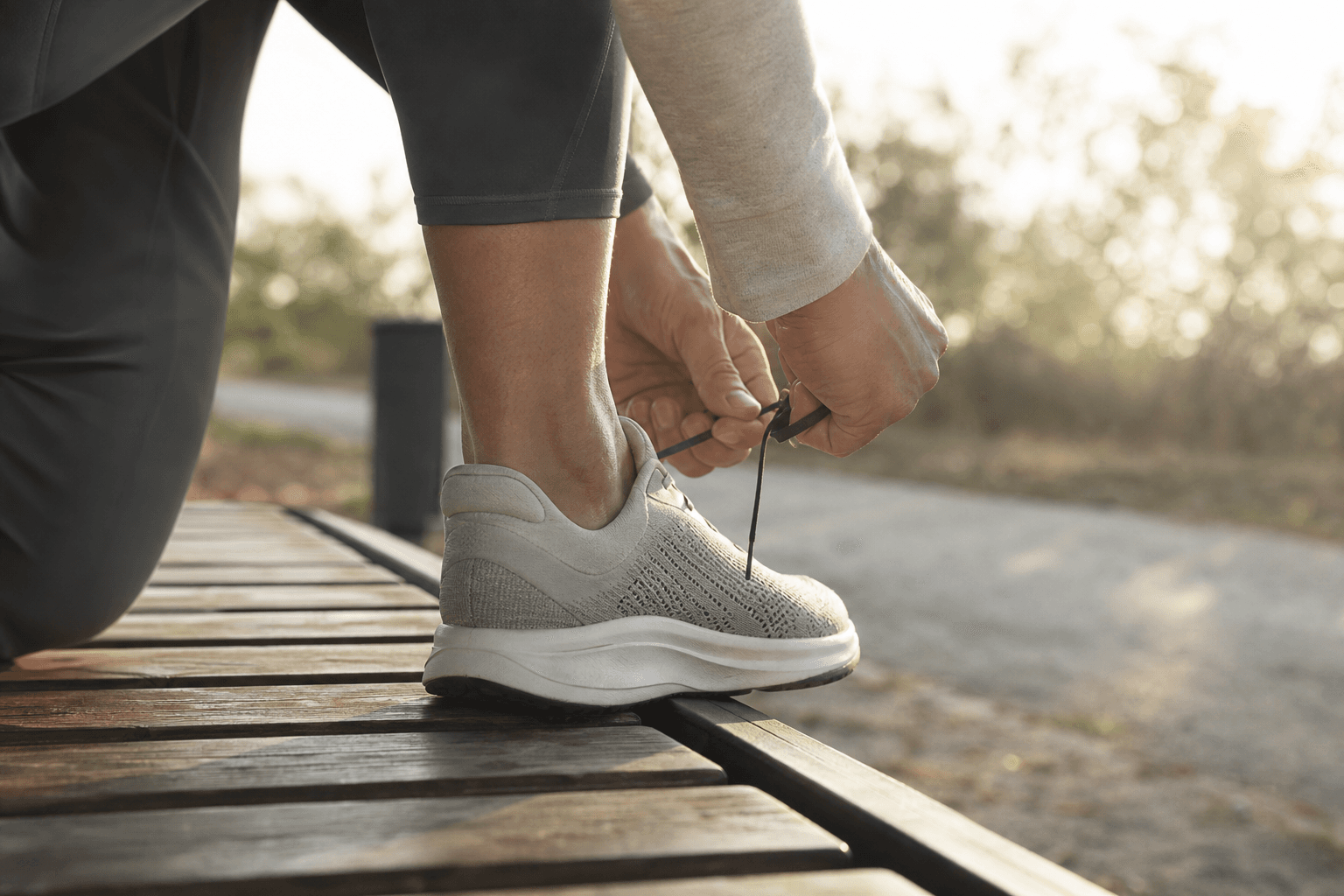
Insertional Achilles tendonitis (more precisely insertional tendinopathy) is pain where the Achilles tendon attaches to the back of the heel bone. It is typically worse with the first steps in the morning, after sitting, on hills and stairs, and when shoe backs press on the area. A firm bump or swelling at the heel is common.
What sets it apart is how it is loaded. Classic heel drops off a step and deep calf stretches pull the tendon over the heel bone and can aggravate the attachment. A 2025-era randomized trial and an expert consensus summarised on PubMed Central point toward limiting how far the ankle bends upward during exercise, at least early on, and reducing aggressive stretching. The evidence is still thin, so treat it as sensible guidance to discuss with a clinician, not a rule.
Below we cover how to tell it from mid-tendon pain and a bursa, what modified loading looks like, how shoes and heel lifts fit in, and when to be seen. For the overview of tendon problems, see our Achilles injury types guide.
How it differs from mid-tendon pain
Midportion tendinopathy aches a few centimetres above the heel and often thickens the tendon itself. Insertional pain sits at the heel attachment, sometimes with a bony prominence (see Haglund's deformity) and an inflamed bursa. Our Achilles tendonitis guide covers the mid-tendon pattern.
If the back of your heel is swollen, red and tender to pressure from shoes, a bursa may be involved; see heel bursitis and pain at the back of the heel.
Why the usual stretches can backfire
When the ankle bends upward, the tendon wraps around the back of the heel bone and is compressed at its attachment. That is the very place that hurts. Exercises that drop the heel below a step and static calf stretches that push the ankle far upward add that compression. A review summarised on PubMed Central reports poorer results with full-range eccentric loading in this condition, while a randomized trial favoured a low-compression programme that limited upward ankle motion, dropped calf stretching and used heel lifts.
The programme combined several changes, so we cannot say which part helped. That is why a physical therapist's input is useful.
Modified loading, in plain terms
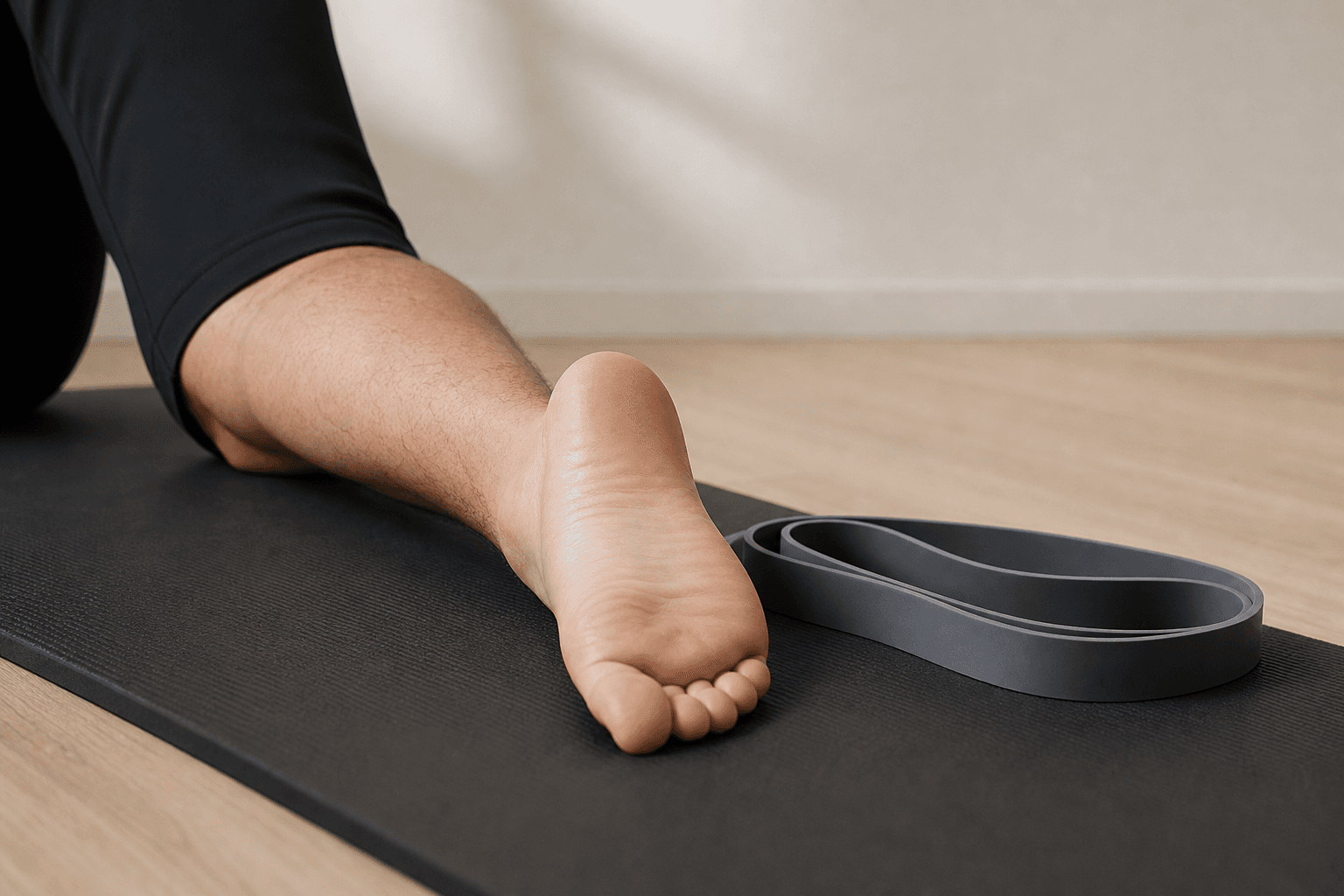
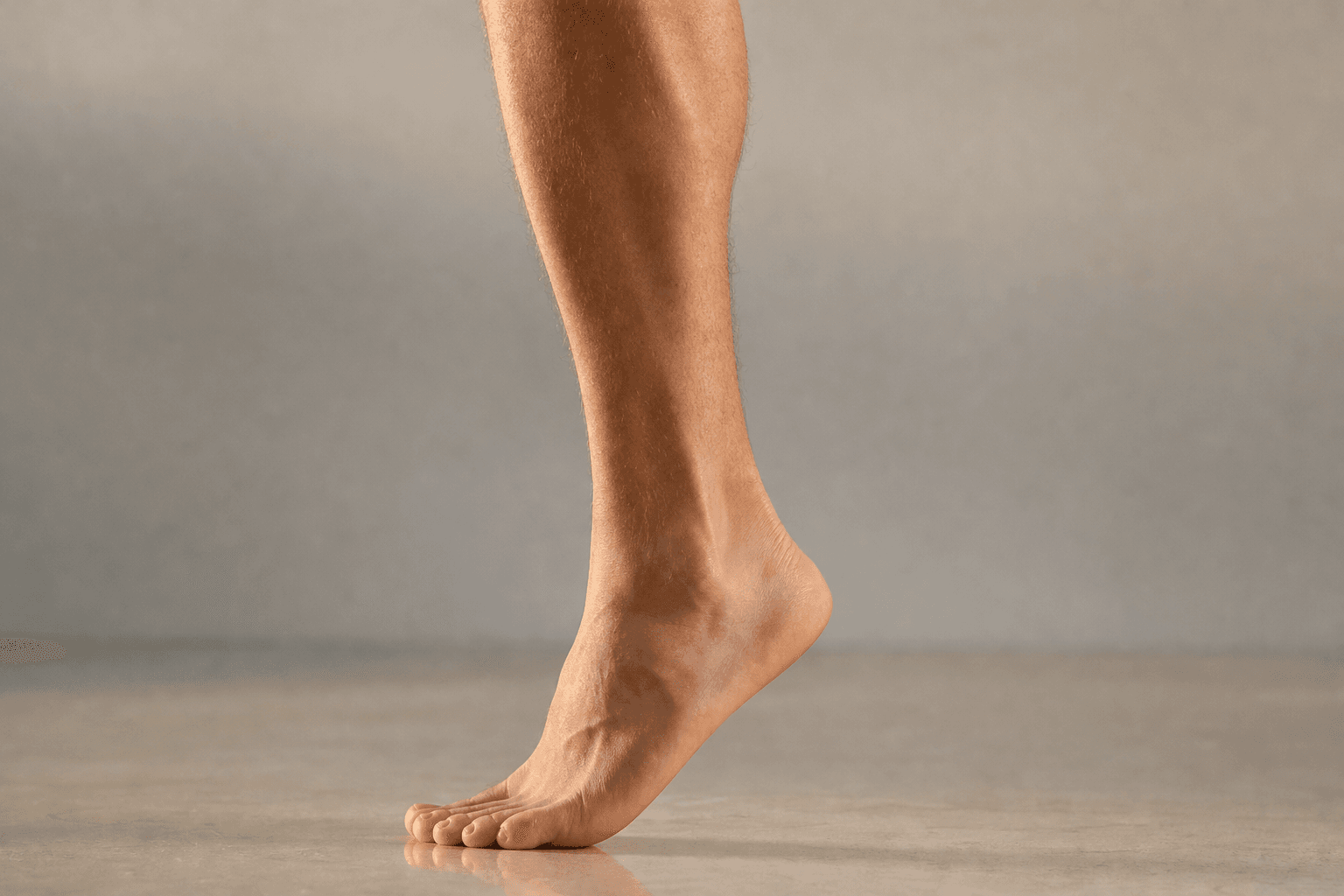
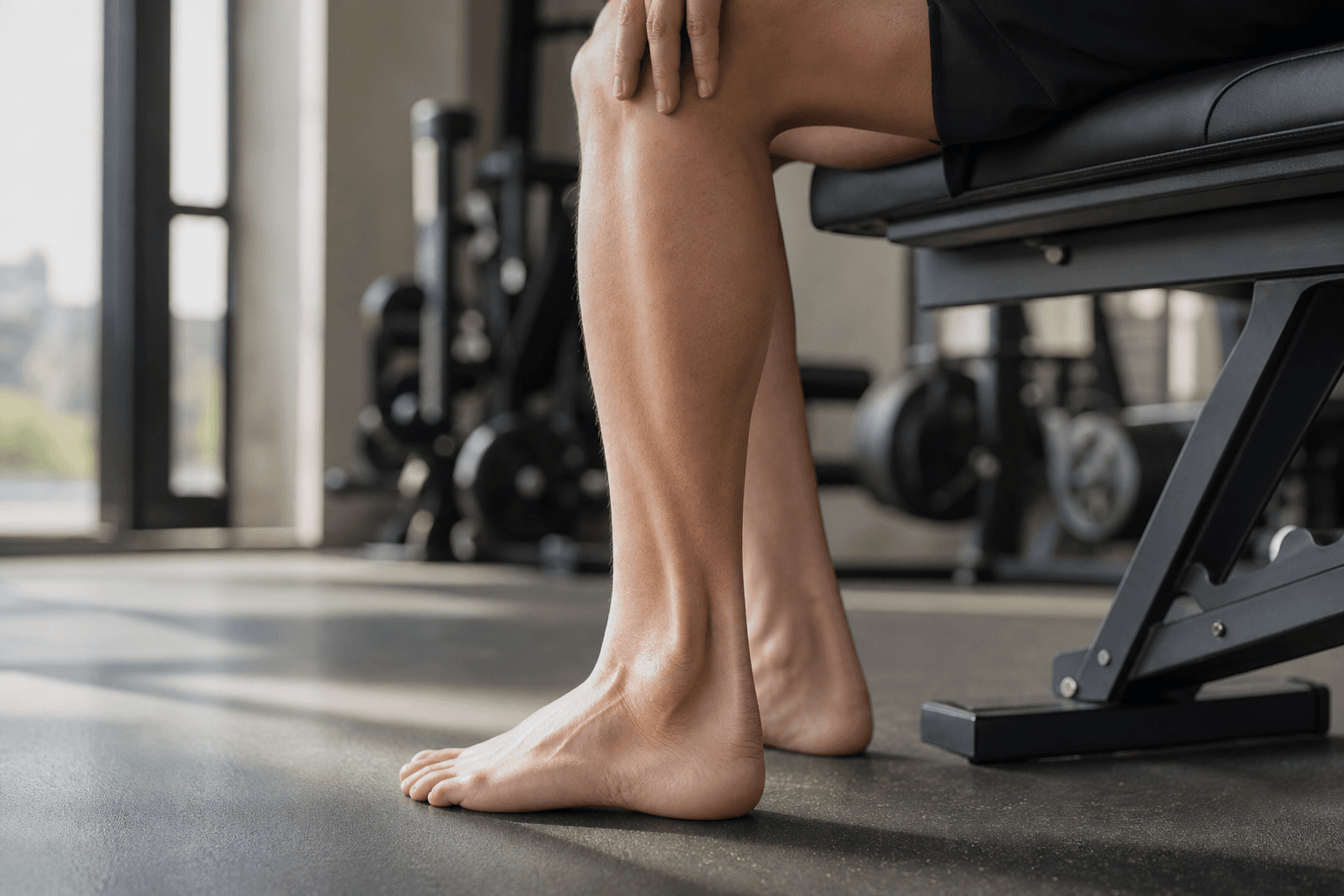
A common structure is to start with calf work that stays at or above level: heel raises on the floor rather than off a step, in sets you can finish with mild discomfort only. Add load slowly, such as holding a bag, and increase range later if symptoms allow. Expect weeks, not days; tendons respond slowly. Our Achilles tendonitis exercises show a general loading approach, and a clinician can adapt it to the heel attachment.
Rest from spikes in running and hill work, and keep walking in comfortable amounts. Complete rest tends to deprive the tendon of the load it needs.
A useful rule of thumb from rehabilitation guidance is to accept mild discomfort during loading but not pain that lingers or is worse the next morning. If it is, ease back a step and build up more slowly.
Looking after the back of the heel day to day
Check the heel counter of your everyday shoes: a stiff, tall edge digging into the attachment is a common reason the area stays inflamed. Open-back shoes or clogs with a soft edge relieve pressure for many people. Ice after activity for short periods can ease soreness. Calf strength, hip strength and a gradual return to running matter more than any single gadget.
Shoes, heel lifts and insoles
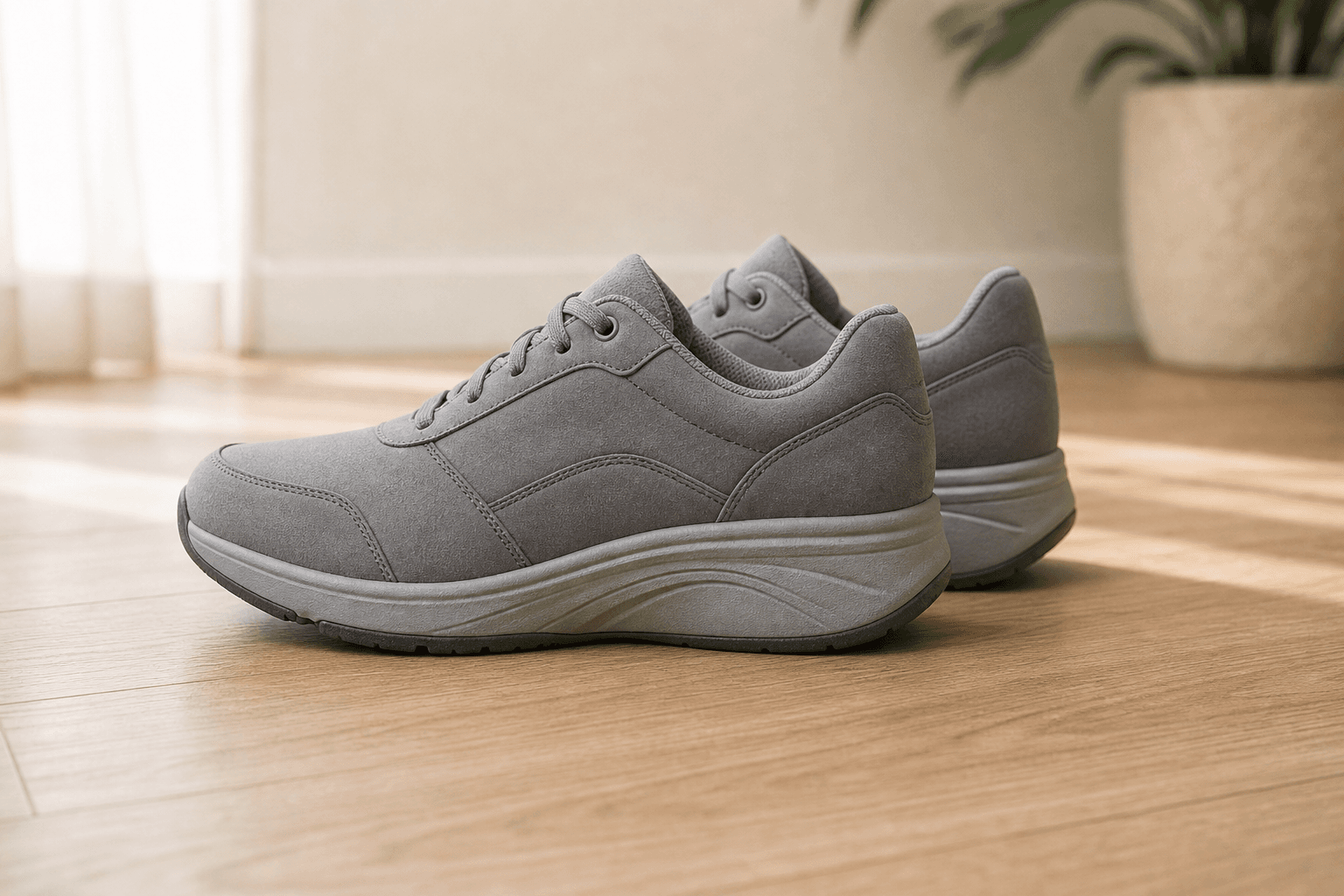
Shoes with a soft, padded heel collar or a notch that clears the tendon avoid pressure on the bump. A small heel lift raises the heel and reduces upward ankle bend; a small case series reported lower pain while walking after a 20 mm lift, though evidence is limited, and it is best to start modestly and ask a clinician. Cushioned, supportive insoles can add comfort; our Akusoli insoles review shows how a cushioned insole with a heel cup handles the heel.
Avoid flat, hard-backed shoes and going barefoot on hard floors while it is sore.
Other things clinicians may use
Physical therapy, shockwave therapy and in some cases a boot for a short period are used for stubborn cases, and surgery to remove a bone prominence or detach and reattach the tendon is a later option. Steroid injections near the Achilles carry a risk of weakening the tendon and are used with caution. Certain antibiotics (fluoroquinolones) are also linked to tendon problems; mention tendon pain to your prescriber.
When to see a doctor
Pain that has lasted more than a few weeks despite lower load and better shoes, a lump that is growing, or night pain should be examined by a doctor or podiatrist. A sudden pop and weak push-off is not tendonitis: read about Achilles rupture signs and seek same-day care. This article is general information, not personal medical advice.
Explore the heel pain hub
Compare tendon, bursa and bone causes of a sore heel.
Explore the heel pain hub →Frequently asked questions
What is insertional Achilles tendonitis?
Irritation of the Achilles tendon where it attaches to the heel bone, often with stiffness, swelling and sometimes a bone bump.
Should I stretch my Achilles with insertional tendonitis?
Aggressive static calf stretches can aggravate the attachment. Gentler, limited-range work is usually suggested early on, ideally guided by a clinician.
Are heel drops off a step safe?
They are the classic exercise for mid-tendon pain but can aggravate insertional pain by compressing the tendon over the heel bone. Floor-level heel raises are a common modification.
Do heel lifts help?
They may reduce pain while walking by lowering upward ankle bend, though research is limited. Start small and check with a clinician.
How long does it take to settle?
Tendon problems usually need weeks to months of consistent, modified loading.
When is it more than tendonitis?
A sudden pop, weak push-off or inability to rise onto your toes needs same-day care.
HeelCups is reader-supported. When you buy through links on our site we may earn an affiliate commission, at no extra cost to you. This article is general information about foot comfort and is not medical advice — see our medical disclaimer.