ACHILLES RECOVERY
Torn Achilles Recovery Time: What the Timeline Looks Like With and Without Surgery
A complete Achilles tear is a long recovery, commonly six months to a year. Here is how the phases run, what surgery changes, and what to ask your clinician.
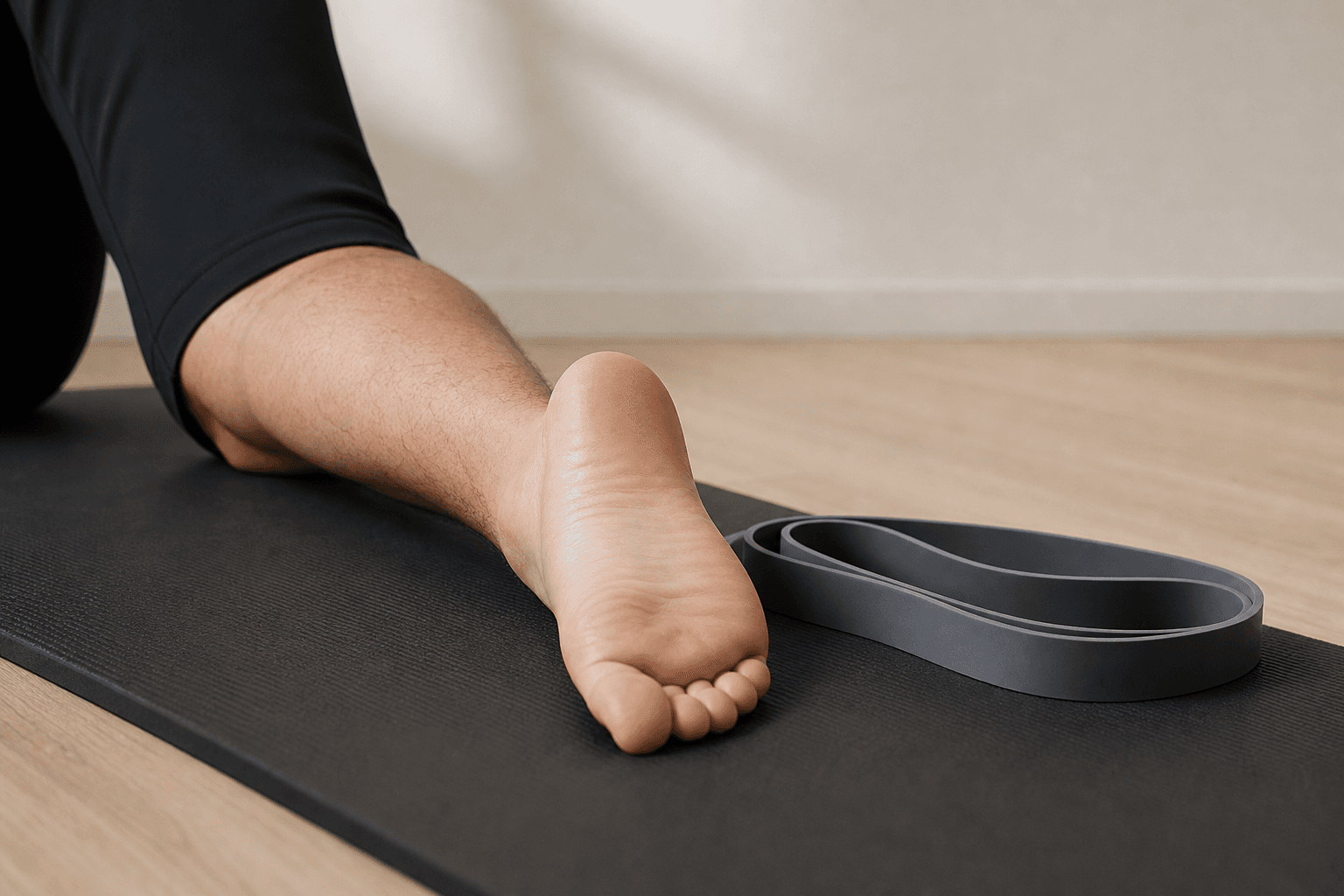
Recovery from a torn Achilles tendon is measured in months, not weeks. Hospital for Special Surgery describes roughly six to nine months before a return to running, jumping and sport after surgery, and other sources describe full functional recovery taking closer to a year. A partial tear or a tendon that has only been irritated runs a shorter course, so the first job is knowing which one you have.
Surgery and non-surgical care are both used, and research suggests overall outcomes are similar in many cases. An AAFP clinical inquiry reported a lower re-rupture rate with surgery (4.3% versus 9.7% in a meta-analysis of 10 randomised trials), while more recent reviews say modern functional rehabilitation protocols give comparable re-rupture rates and satisfaction without the risks of an operation. Your surgeon is the right person to weigh that for you.
This page lays out the general timeline, not your personal one. If you are unsure whether you have a tear at all, start with the signs of an Achilles rupture, and note that sudden pain with a pop, weakness or a gap needs same-day medical care.
Tear type changes the timeline
Tendinopathy and small partial tears are sore, stiff tendons managed with load adjustment and gradual strengthening, often over weeks to a few months. Our Achilles injury types guide explains the differences. A complete rupture is a different league: the tendon is no longer connected, and the plan involves protecting it for weeks before strengthening can begin.
Age, activity level, overall health and how quickly care started all shape the plan, so the timelines below are ranges, not promises.
Non-surgical recovery
HSS describes casting or a boot for the first two to six weeks, followed by bracing in a boot with heel lifts and then four to six months of physical therapy before a return to previous activity. Modern protocols often allow earlier, protected weight-bearing than older approaches.
A clinician usually sets the progression: boot with wedges, gradual removal of the wedges, then supervised strengthening. Rushing out of the boot is a common reason for setbacks.
Recovery after surgery
After repair, the first weeks are typically a splint or boot with the foot pointed down to protect the stitched tendon. Walking comes gradually, often in a boot with heel wedges, and physical therapy starts once the surgeon agrees. Many people are walking in normal shoes around the three-month mark and running between four and six months, though that varies widely.
Healthline cites a study in which the tendon continued to repair itself for up to six months after surgery, with full functional recovery closer to 12 months. Return to full sport, especially anything that sprints or jumps, commonly lands at six to nine months or later.
The re-rupture window
A review of functional rehabilitation found most re-ruptures happen within about 20 weeks of injury and are rarely seen after six months, with an average of around nine weeks. That is why clinicians are cautious in the early phase, and why feeling better is not a green light to skip the boot or push heavy calf work.
Your care team will give you milestones to meet before moving on. Following them matters more than any calendar date in an article.
Footwear, comfort and rebuilding
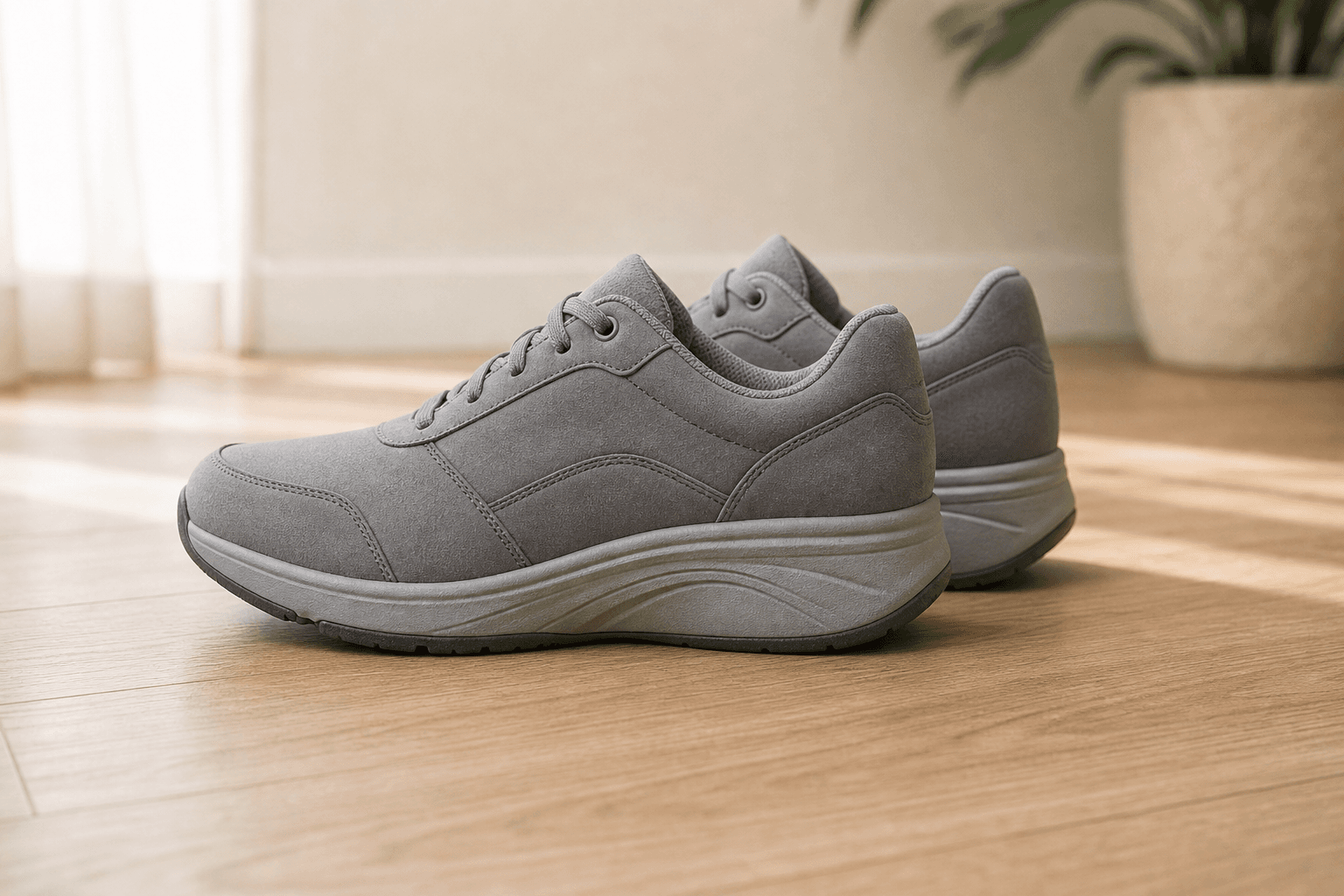
Protective footwear, a heel lift and supportive shoes can make the long middle weeks more comfortable. Once cleared, our guide to shoes for Achilles tendonitis explains what to look for in a shoe, and the Achilles exercises page describes the kind of gradual loading used in rehab. Do not start either without your clinician's approval after a rupture.
Expect the calf to look smaller and feel weaker for a long time. Strength and endurance return slowly, and swelling around the ankle late in the day is common for months.
Questions worth asking your clinician
Ask which route is being recommended for you and why, how long you will be in a boot and when heel wedges come out, and when weight-bearing and physical therapy start. Ask what strength or hop tests you need to pass before running or jumping, and what to do if work or family life makes the schedule hard to follow.
It also helps to ask what swelling or tightness is normal at each stage, and which symptoms mean a same-day call. Writing the answers down gives you a reference for the long middle weeks, when progress feels slow and it is tempting to do too much.
When to call your care team or a doctor
Seek urgent care for sudden severe pain, a pop, inability to push off, or a visible gap. During recovery, call promptly for calf pain with swelling or warmth, which can signal a clot, for signs of wound infection after surgery, or for a new sudden pain or pop. Persistent heel or calf pain that is not following the expected pattern deserves an exam by a doctor or podiatrist.
Back to the heel pain hub
Map your pain by location and timing, and see which pages match.
Back to the heel pain hubFrequently asked questions
How long does a torn Achilles take to heal?
Sources describe roughly six to twelve months for a complete tear to return to full activity, with walking in normal shoes often earlier. Your clinician will give you milestones for your own case.
Is recovery faster with surgery?
Not necessarily. Overall outcomes are similar in many studies, though surgery has been linked to a lower re-rupture rate in some reviews. The choice depends on your situation and surgeon's advice.
When can I walk normally again?
Many people are in a normal shoe at around three months, but the pace varies. Follow your clinician's guidance on boots and heel wedges.
When can I run after an Achilles rupture?
Return to running is often discussed at four to six months, and sport that involves jumping or sprinting later. A clinician clears this based on strength tests.
Can I re-tear it?
Re-rupture is possible, mostly in the first few months. Following the protocol and avoiding a rushed return lowers the risk.
HeelCups is reader-supported. When you buy through links on our site we may earn an affiliate commission, at no extra cost to you. This article is general information about foot comfort and is not medical advice — see our medical disclaimer.