ACHILLES
Achilles Injury Types: Tendinopathy, Insertional Pain, Paratenonitis, Tears and Ruptures Explained
Pain at the back of the heel is not always the same problem. Here is how the main Achilles injuries differ, how each tends to feel, and what points toward a quick medical check.
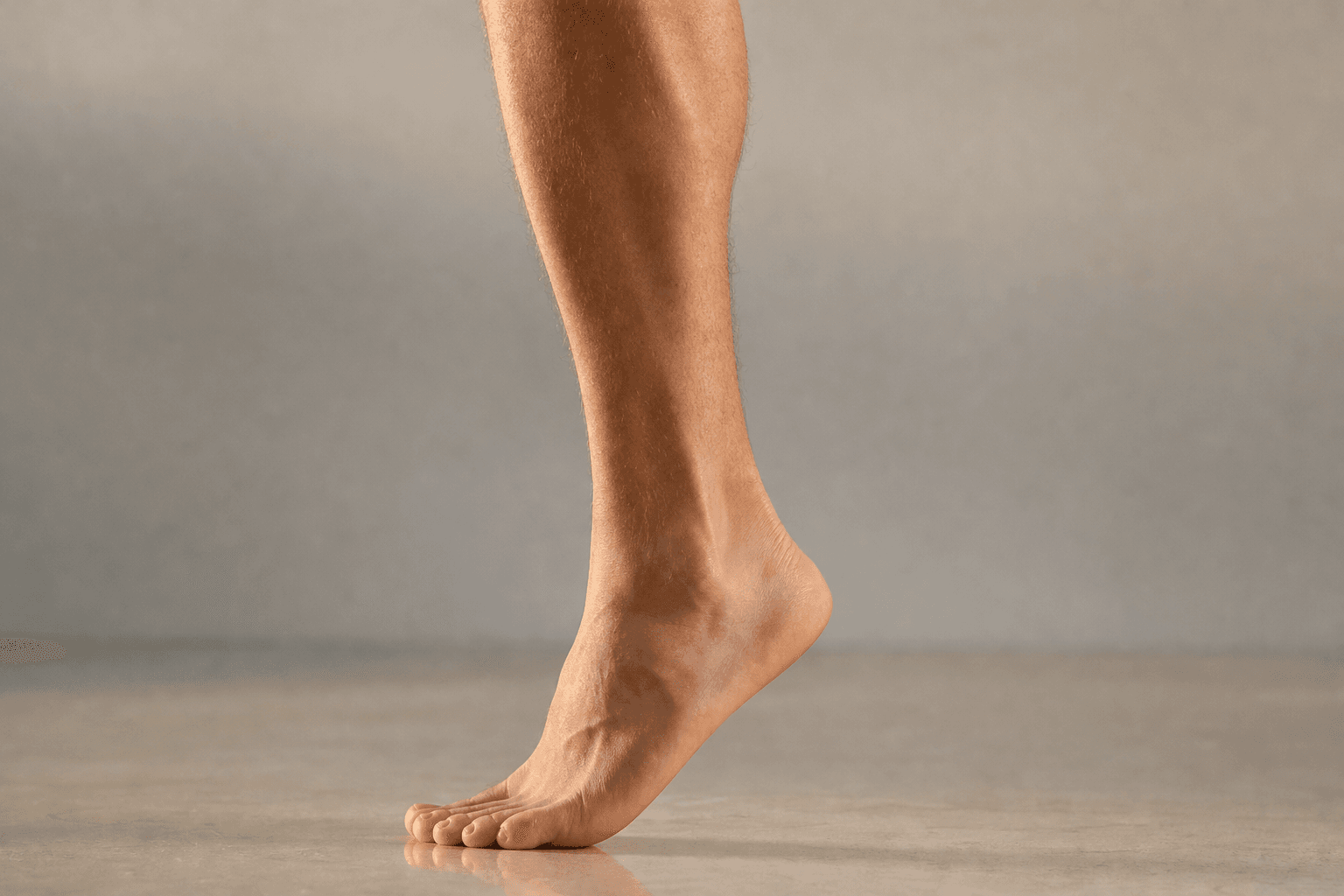
Most Achilles problems fall into four groups: midportion tendinopathy, insertional tendinopathy, paratenonitis (irritation of the tendon's outer sheath), and tears or ruptures. They can overlap, and even specialists note that the labels are used inconsistently, but telling them apart helps you choose sensible first steps and know when to get help fast. For the heel-attachment type in detail, read about insertional Achilles tendonitis.
Midportion tendinopathy is the most common form, usually from training overload. One clinical summary places it roughly 2 to 3 cm above the heel bone and accounts for about 55 to 65 percent of cases; insertional problems at the heel attachment make up much of the rest. Ruptures are less common but far more urgent, and they are more frequent in men and in people taking fluoroquinolone antibiotics, particularly with corticosteroids.
This guide walks through each type, then covers what usually eases the milder ones. For a deeper look at the most common type, see our Achilles tendonitis page.
Midportion Achilles tendinopathy
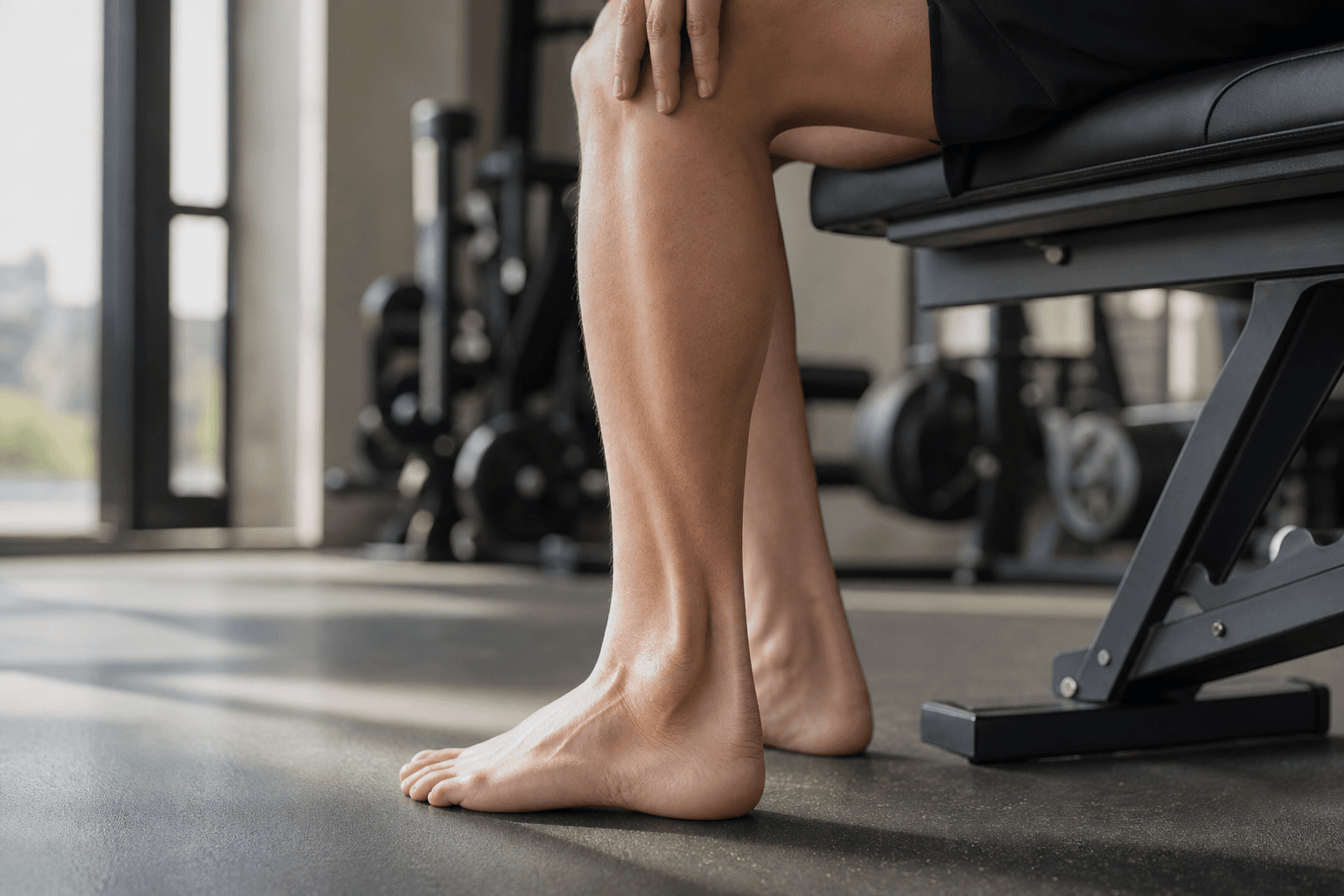
This is a thickened, sore patch in the tendon a few centimetres above the heel. Typical features are stiffness and pain in the morning or at the start of exercise that warms up, then returns afterward. It often follows a jump in running distance, hill work or speed. The tendon may feel thick or tender when pinched from the sides.
Footwear can also change the load; see shoes for Achilles tendonitis. Gradual loading is the cornerstone of care; our Achilles tendonitis exercises walk through a progressive routine and a realistic timeline.
Insertional Achilles tendinopathy
Here the pain sits right where the tendon meets the heel bone. It tends to be worse with stretching that pulls the tendon over the bone, such as dropping the heel off a step, and with tight shoes at the back. Bone changes or a bump may be present. Because the usual calf-stretch positions can aggravate it, insertional pain often needs modified exercises, and a clinician can help adapt them.
A related look-alike is a prominent heel bump; see Haglund's deformity and heel bursitis.
Paratenonitis
Paratenonitis is irritation of the sheath around the tendon rather than the tendon itself. It can feel warm, swollen and diffusely tender, sometimes with a creaking sensation when you move the ankle. It can occur alone or alongside tendinopathy, and a clinical exam is usually needed to separate them.
Partial tears and ruptures
A tendon already weakened by long-standing tendinopathy can tear partly or completely. A complete rupture often comes with a sudden snap or a feeling of being kicked in the back of the leg, followed by weakness pushing off and difficulty standing on tiptoe. This needs prompt medical assessment. Read about the warning signs in signs your Achilles may rupture.
What usually eases the milder types
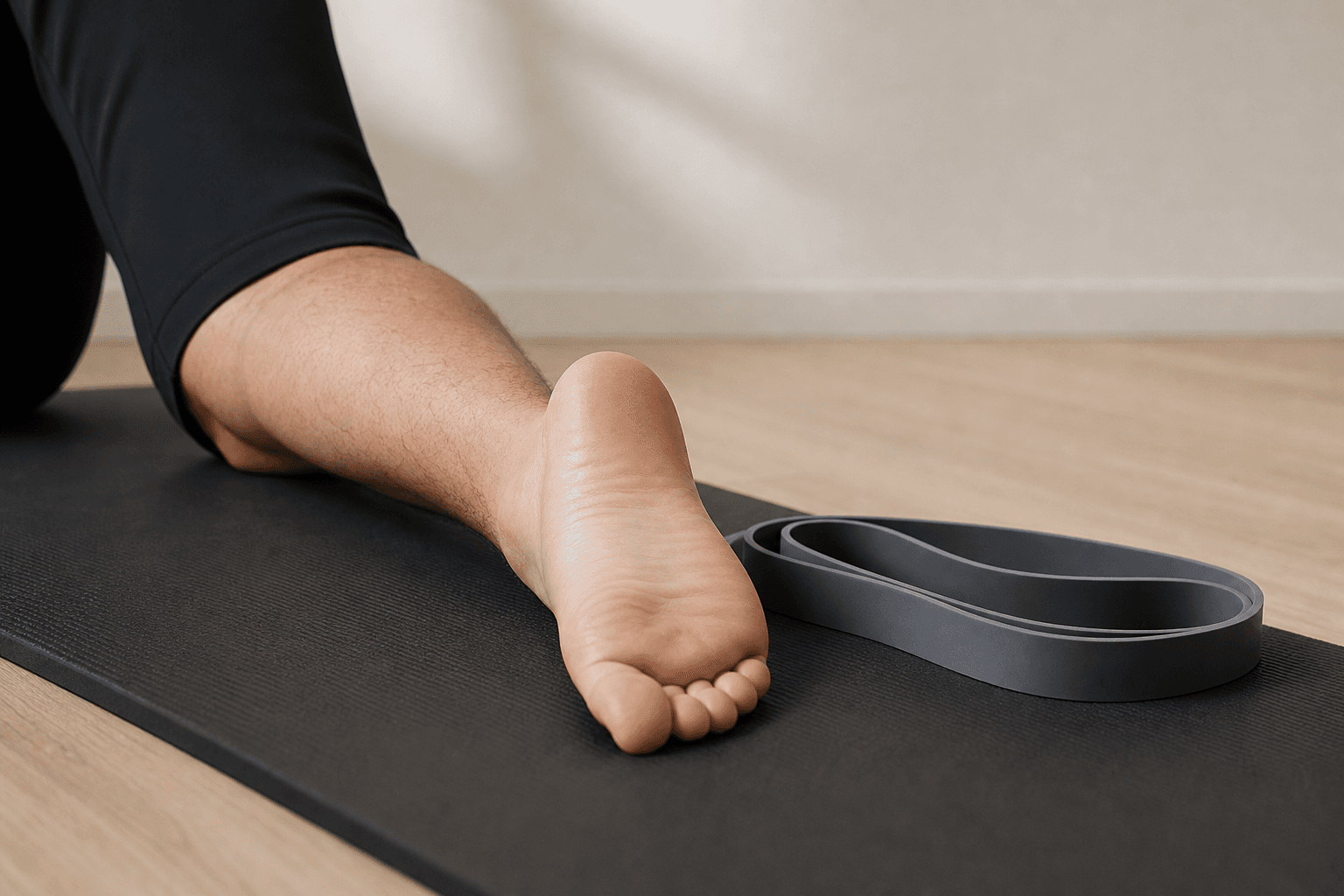
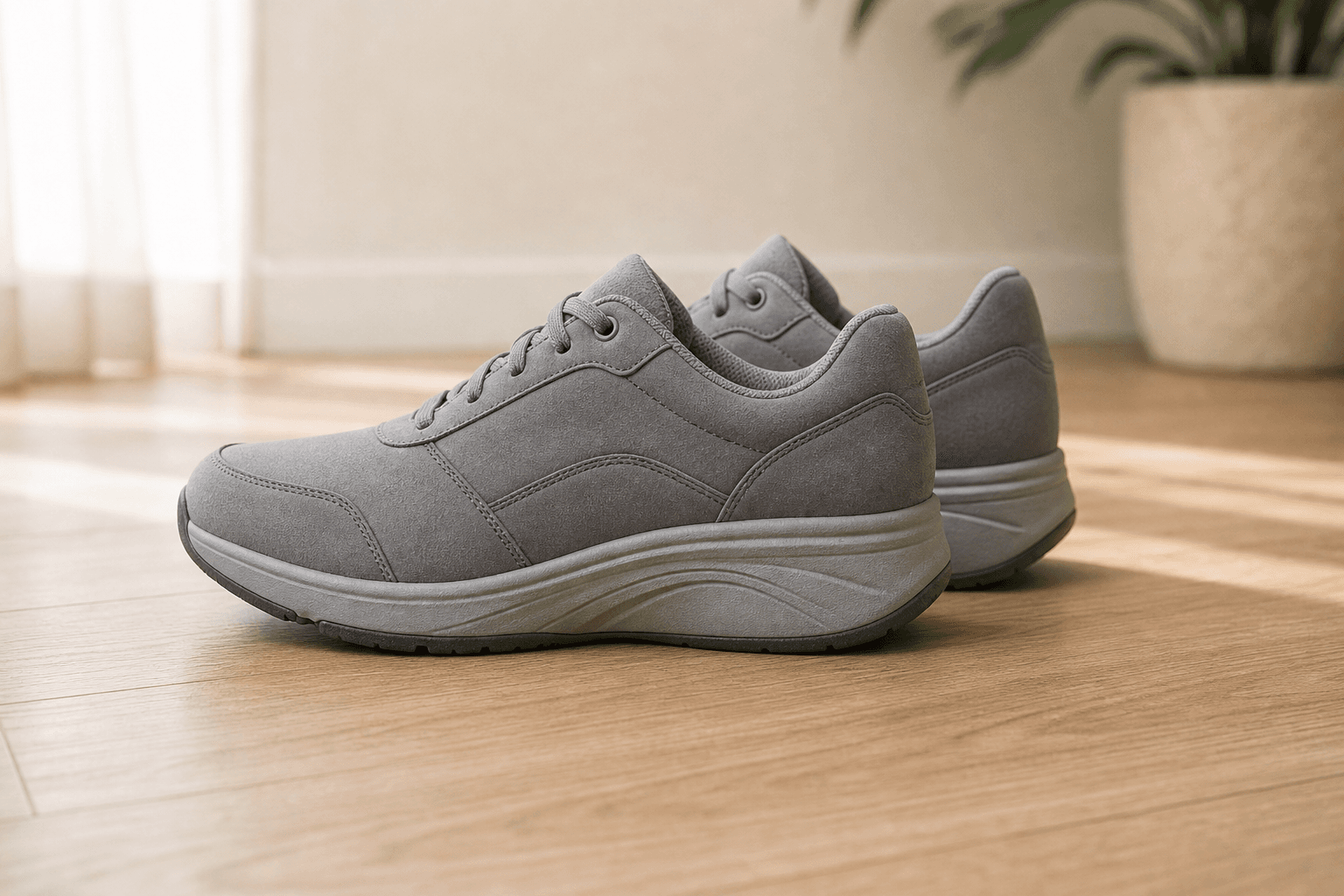
For tendinopathy, relative rest from the aggravating activity (not complete rest), progressive calf-strengthening, and a small temporary heel raise in shoes can reduce load on the tendon. Our tight calves article covers the flexibility side. Tendon pain commonly takes weeks to months to settle, so expect slow progress. Many people notice the first real change after four to six weeks of consistent loading, with fuller recovery taking three months or more, and a rushed return to sprinting or hills is the classic way to restart the cycle. Swapping to well-cushioned shoes with a slightly raised heel for a few weeks can also make everyday walking more comfortable while the tendon adapts. Avoid aggressive stretching if the pain sits at the bone, and avoid repeated massage on a swollen sheath.
How to tell Achilles pain from other heel pain
Pain under the heel that is worst with first steps points more toward the plantar fascia. Pain at the back that builds with activity points toward the Achilles. Pain deep on the inside or outside can involve other tendons or nerves. When in doubt, a clinician can examine and, if needed, order an ultrasound or MRI.
Risk factors worth knowing
Sudden jumps in running volume, hill or speed work, a switch to flatter or minimalist shoes, tight calves, and returning to sport after a layoff are common triggers for tendinopathy. Older age, carrying extra weight and some medical conditions, such as inflammatory arthritis or diabetes, also play a part. Certain antibiotics in the fluoroquinolone family are linked to tendon problems, and the risk is higher when combined with corticosteroids or in older adults. None of these means you will get an injury, but they are useful to mention to a clinician.
Footwear matters at both ends of the scale. A stiff, hard heel counter can rub the back of the heel and irritate the bursa, while a very flexible shoe can make the calf work harder. Rotating shoes and changing mileage gradually gives the tendon time to adapt.
How a clinician sorts it out
A clinician will ask when the pain started, what you were doing, and whether it eases with warm-up. They will press along the tendon, check calf strength, and may use a squeeze test on the calf to see whether the tendon is intact. Ultrasound can show thickening, fluid and tears, and MRI is reserved for unclear or severe cases. The result tells you which type you have, and that shapes whether the plan is loading exercises, shoe changes, physical therapy, or a referral for a more involved option.
When to see a doctor or podiatrist
Get seen promptly after a sudden pop, if you cannot rise on your toes, or if swelling, bruising or a gap appears behind the ankle. Persistent pain beyond several weeks of sensible self-care, pain at night, or redness with warmth also need a professional opinion. If you recently took a fluoroquinolone antibiotic and have new tendon pain, contact the prescriber. This article is general information, not personal medical advice.
Explore the heel pain hub
Compare Achilles pain with other causes of heel pain and find your next step.
Explore the heel pain hub →Frequently asked questions
What are the main types of Achilles injury?
Midportion tendinopathy, insertional tendinopathy, paratenonitis, and partial or complete tears or ruptures. They can overlap.
What is the difference between insertional and midportion Achilles pain?
Midportion pain sits a few centimetres above the heel bone, while insertional pain is where the tendon attaches to the bone. Insertional pain often reacts badly to stretching over a step edge.
Can an Achilles tendon tear partially?
Yes. A weakened tendon can partly tear, which may feel like a sharper flare of pain. A clinician can confirm this with an exam and imaging.
How do I know if my Achilles has ruptured?
A sudden snap, weakness pushing off, and trouble standing on tiptoe are warning signs. Seek medical care promptly.
Should I stretch a sore Achilles?
Gentle calf work is often fine for midportion pain, but stretching that pulls the tendon over the bone can aggravate insertional pain. Ask a clinician if unsure.
HeelCups is reader-supported. When you buy through links on our site we may earn an affiliate commission, at no extra cost to you. This article is general information about foot comfort and is not medical advice — see our medical disclaimer.