PICKLEBALL
Heel Pain From Pickleball: Why It Happens and How to Keep Playing Comfortably
Stop-start movement on hard courts is tough on heels. What causes pickleball heel pain, what shoes and habits ease it, and when to rest.
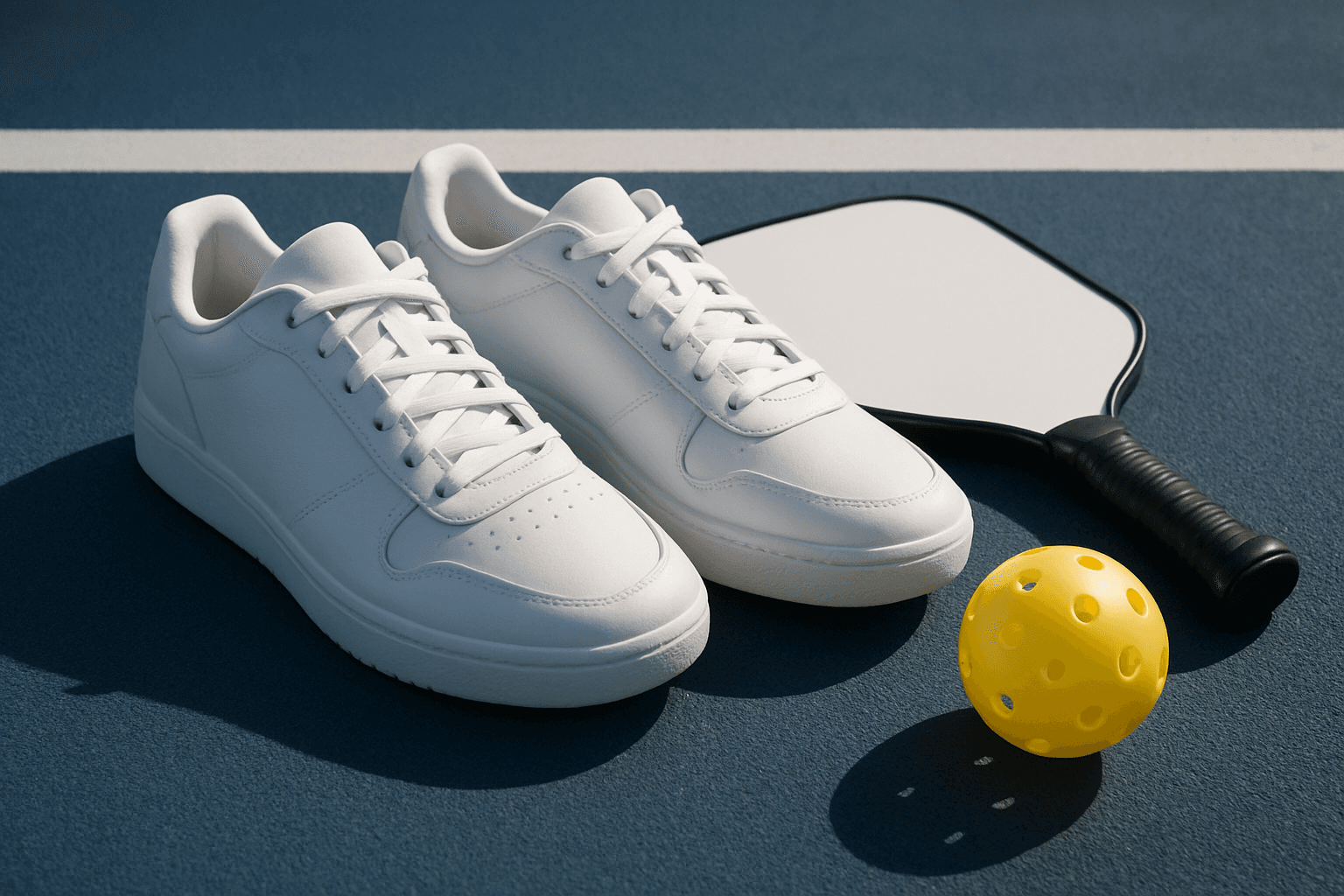
Heel pain from pickleball usually comes from plantar fasciitis or Achilles irritation. Podiatry practices that treat pickleball players list plantar fasciitis, Achilles tendonitis, ankle sprains and stress fractures among the most common foot and ankle problems. The sport adds quick starts, lunges and lots of time on hard courts, often for people who were not previously that active.
The simplest comfort steps are court shoes with proper cushioning and support, a short warm-up with calf stretching, and building up play time gradually. An insole with a firm arch and a deep heel cup can help the shoe you already own work harder for you.
None of this replaces an exam. Heel pain that makes you limp, sticks around for weeks despite changes, or comes with swelling or numbness is a reason to see a doctor or podiatrist.
Why pickleball is hard on heels
Pickleball is a low-impact sport compared with running, but the pattern is demanding: short sprints, sudden stops, side-to-side cuts and repeated pushing off the toes. That loads the calf, the Achilles tendon and the plantar fascia over and over. Sources from several foot and ankle practices note that players who jump from occasional play to several matches a week are at higher risk.
Hard concrete or asphalt courts add to it, as do worn shoes. If your heel hurts most with the first steps the morning after play, that fits plantar fasciitis; see our plantar fasciitis symptoms guide. Pain at the back of the heel or just above it points toward the Achilles; see Achilles tendonitis.
Choose a court shoe, not a running shoe
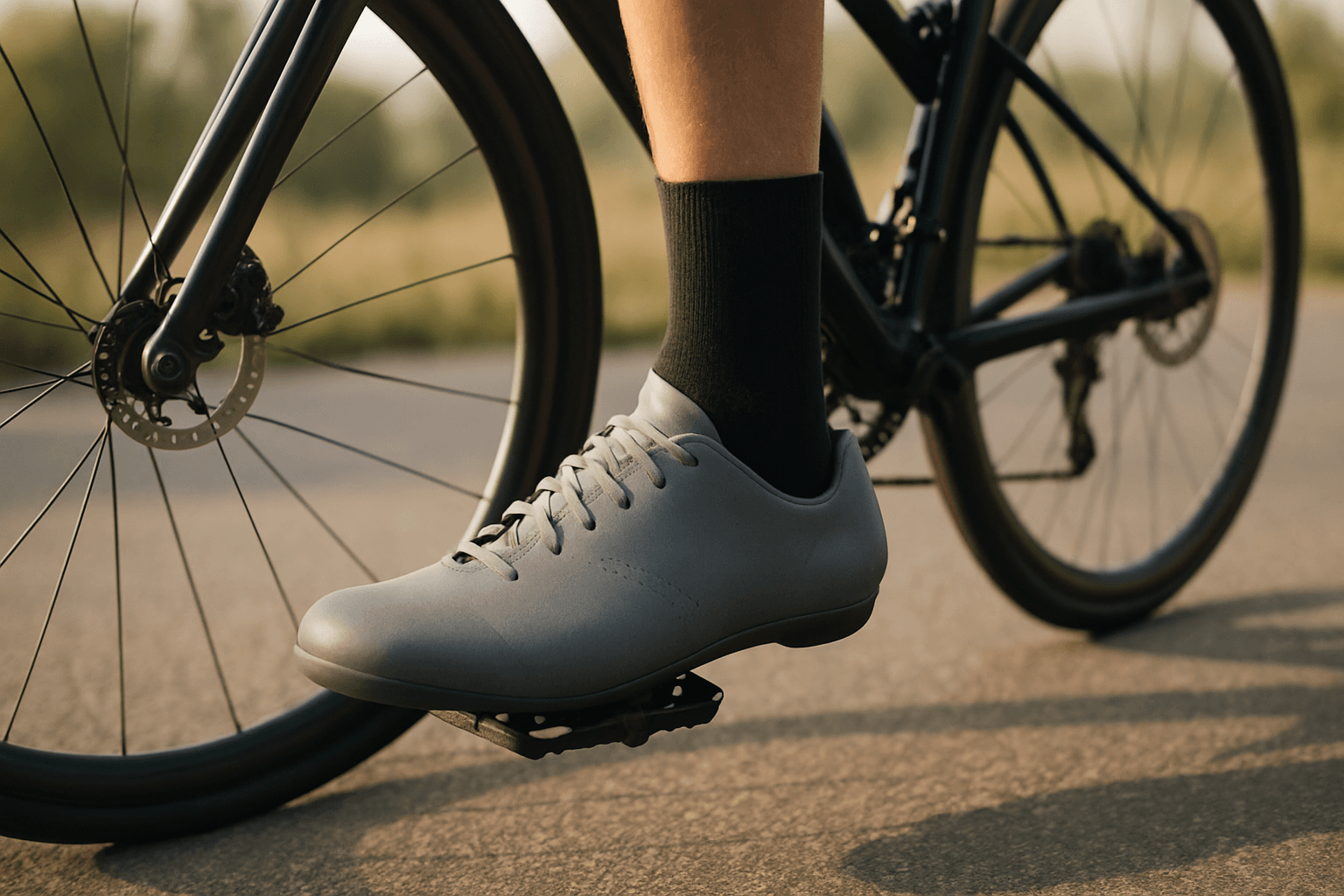
One podiatrist's guide to pickleball shoes notes that court shoes offer lateral stability and a wider forefoot platform for side-to-side play, while the soft midsoles of running shoes can roll under sharp cuts. Look for a firm heel counter, a flexible forefoot and cushioning you can feel under the heel. Replace shoes when the midsole feels flat or the outsole wears through, usually after months of regular play rather than years.
Our doctor-recommended shoes for plantar fasciitis page lists the features to compare.
Warm up and stretch the calves
Several sources recommend a proper warm-up and calf and Achilles stretching before play. Five minutes of easy walking, ankle circles and a few calf raises, followed by two thirty-second wall calf stretches per side, is a reasonable routine. After play, stretch again while the muscle is warm. Our plantar fasciitis stretches page walks through the sole and calf work.
Ramp up gradually
If you are new, start with short sessions and add time slowly. Playing two hard days in a row on a sore heel is a common route to a long flare. Mix in a rest day, and alternate courts if you can: some indoor and softer surfaces are friendlier than concrete.
Support in the shoe
A firm insole with an arch and deep heel cup spreads load and cradles the heel pad. Make sure it fits the court shoe without crowding your toes; many can be trimmed. Our Akusoli insoles review covers a trim-to-fit option. Comfort and support are the goal, not a promise of a particular outcome.
What a typical week of play can look like
A sensible pattern for someone with a sensitive heel is two or three sessions a week with at least a day between them, starting with shorter games and building by ten to fifteen minutes. Keep a pair of dedicated court shoes just for the court so the cushioning is not worn down by daily wear. Stretch the calves after you finish, and use the evening to roll the arch over a ball or a frozen bottle for a few minutes.
If you notice the heel is stiffer than usual the morning after a session, treat it as feedback. Shorten the next session, take an extra rest day and check your shoes. Playing through rising pain tends to turn a nuisance into a months-long flare.
Doubles players who stay near the kitchen line make fewer long sprints but a lot of quick lunges and split steps, which load the Achilles and calf. Singles-style rallies on a full court mean more running. Think about which pattern you play when you decide what to stretch and strengthen.
Strengthening that supports the heel
Calf raises, done slowly with a pause at the top, build the calf and Achilles capacity that pickleball asks for. Start with two sets of ten on flat ground and add a step edge as it feels easy. Toe-towel scrunches and short-foot exercises, where you gently draw the ball of the foot toward the heel without curling the toes, work the small muscles that hold the arch. Our plantar fasciitis exercises page lays out a routine. Keep it gentle: sore, not sharp.
When to sit out a few days, and when to see someone
Back off if you notice sharp pain on landing, a limp, or pain that is getting worse through a match. Persistent heel pain, pain on pushing off, swelling, bruising or inability to bear weight should be checked by a doctor or podiatrist, in part to rule out stress fracture or tendon injury.
See the insole we reviewed
A trim-to-fit insole with firm arch support and a deep heel cup.
See the insole we reviewed →Frequently asked questions
Why does my heel hurt after pickleball?
Plantar fasciitis and Achilles irritation are the usual suspects, from repeated stops, pushing off and hard court surfaces, especially if you have increased play quickly.
Can I keep playing with plantar fasciitis?
Many people reduce play, warm up carefully and add support rather than stopping completely. If pain worsens during play or limps appear, rest and get it examined.
Are running shoes OK for pickleball?
One podiatrist's guide advises court shoes, as running shoes' soft midsoles can roll under lateral movement. Court shoes also give a wider base for side-to-side play.
Do insoles help for pickleball?
A supportive insole with a deep heel cup can add comfort and arch support in a court shoe. Make sure the fit is not too tight.
How long should I rest for heel pain?
That depends on the cause. Mild morning soreness may ease with a lighter schedule, stretching and support over a few weeks. Pain that persists or worsens deserves a clinical exam.
HeelCups is reader-supported. When you buy through links on our site we may earn an affiliate commission, at no extra cost to you. This article is general information about foot comfort and is not medical advice — see our medical disclaimer.