CYCLING AND PLANTAR FASCIITIS
Cycling With Plantar Fasciitis: Cleats, Shoes and Setup Changes Worth Trying
Cycling is low-impact, but a stiff pedal stroke can still aggravate a sore heel. Here are the setup checks, shoe choices and pacing changes riders commonly try, with an honest note on how thin the evidence is.
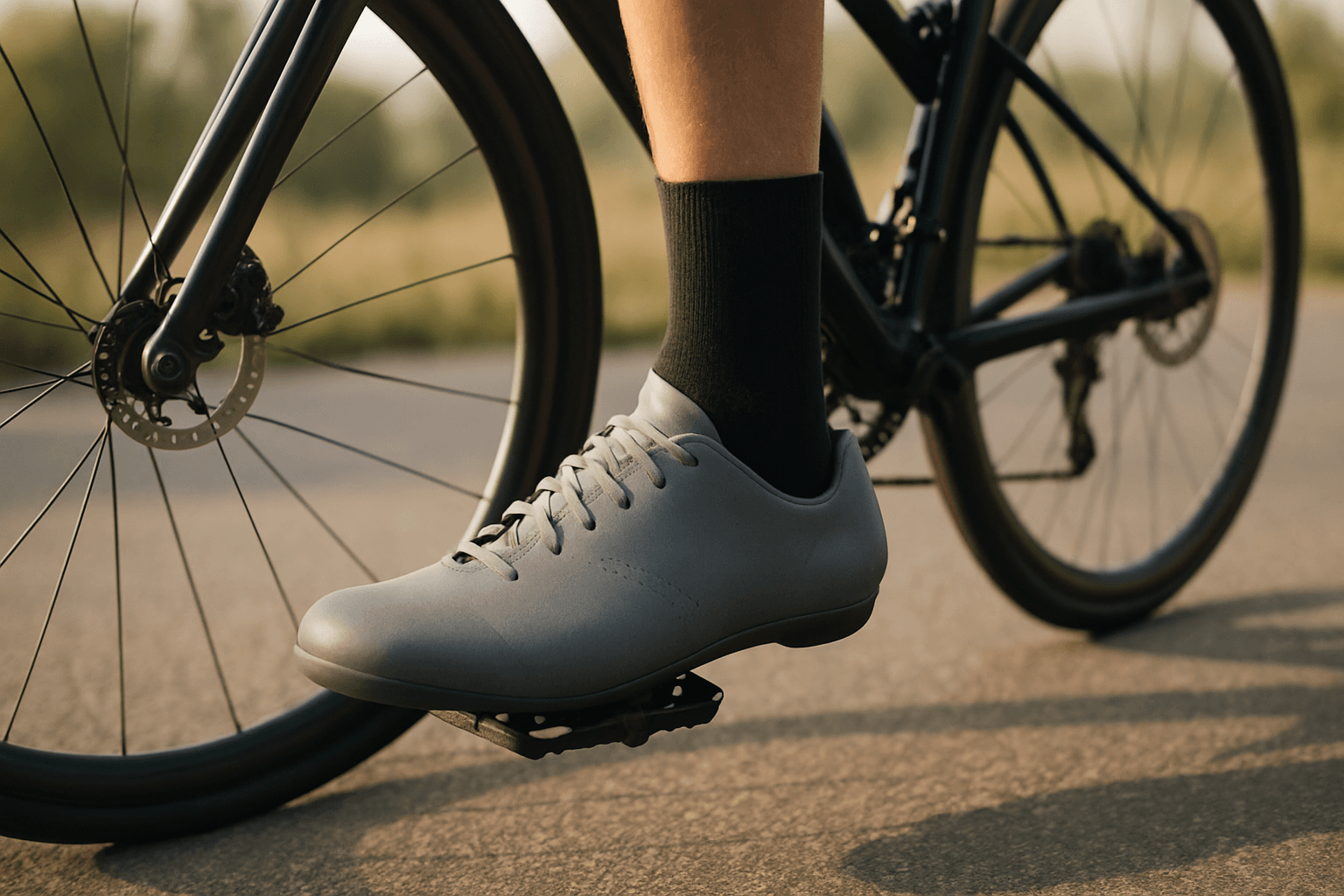
Cycling is often suggested as a lower-impact alternative when running or long walks flare plantar fasciitis, and for many people it works well. But riders do get heel pain, and the usual suspects are a poorly fitting shoe, cleat position, saddle height and a sudden jump in volume. The short answer: check your fit first, choose a stiff-soled shoe with a supportive footbed, build mileage gradually, and keep up your daily stretching.
One honest caveat. When we searched, most cycling-specific advice came from bike fitters, a podiatry clinic's blog and rider forums rather than controlled studies, and one forum contributor noted they knew of no studies directly testing cleat position for plantar fasciitis. Treat the ideas below as practical things to try one at a time, not proven fixes.
If heel pain is new, lasts more than a few weeks, or you are not sure it is plantar fasciitis, see a doctor or podiatrist. Pain under the ball of the foot or the toes is a different problem, and so is pain on the heel pad.
Why a bike can still bother a sore heel
Pedalling does not pound the heel, but the plantar fascia still carries load through each stroke, especially when you push hard or climb out of the saddle. A flexible shoe lets the arch flatten under pedal pressure, and a tight calf, a common feature of plantar fasciitis, pulls on the heel through the Achilles tendon.
Walking around in cycling shoes is another trigger. Rigid soles with a cleat make for awkward steps, and the first steps off the bike can feel like the first steps out of bed. Our page on morning heel pain explains why that pattern is typical.
A sudden change counts too: new shoes, a new bike, a new cleat setup or a big increase in weekly hours. Changing one thing at a time makes the cause easier to spot.
Shoe choice: stiff, snug and supportive
A podiatrist quoted on a foot and ankle clinic's cyclist page advises a cycling shoe with a firm sole and a supportive orthotic insole. The reasoning is that a stiffer platform spreads pedal force over the whole foot rather than concentrating it.
Check the fit. Your heel should stay put without slipping, and your toes should not be crushed. If the heel lifts with every stroke, our heel-lock lacing trick may help hold it in place.
Factory footbeds in cycling shoes are often thin. Some riders swap in a firmer, arch-supporting insole, and a forum rider reported that a podiatrist suggested plantar fasciitis-style insoles or heel cups, which helped only a little by their account. Make sure anything you add fits your shoe without crowding the foot, and see our guide to heel cups vs insoles before choosing.
Cleat position and saddle height
Bike-fit sources generally put the ball of the foot over or slightly ahead of the pedal axle. Some riders with heel pain try moving the cleat slightly rearward, which shifts load toward the middle of the foot. This is an idea from fitters and riders, not a proven rule, and a cleat far back can change how your calf and knee work.
Because moving the cleat changes effective leg length, it can call for a saddle-height adjustment. A rider on one forum thread reported changing both, but a single anecdote is not evidence. A professional bike fit is a reasonable investment if you ride often.
Move cleats a few millimetres at a time and ride a few sessions before judging. Pain across the forefoot suggests the cleat may be too far forward rather than a heel problem.
Pacing, warm-up and the daily routine
Increase volume gradually. A common rule of thumb among coaches is to avoid big jumps in weekly time on the bike, but individual tolerance varies, so use your heel as the guide: a mild ache that settles within an hour is different from pain that lingers into the next morning.
Spend a few minutes on calf and plantar fascia stretches before and after riding; our plantar fasciitis stretches page has a routine. Consider an easy spin before intervals, and avoid long out-of-the-saddle efforts during a flare.
After rides, change into supportive footwear rather than walking about in cleats or barefoot. If the heel is angry, a cool pack for ten to fifteen minutes can ease discomfort; see ice or heat.
When to ease off and get checked
Back off if pain builds during a ride, if you start limping off the bike, or if morning pain is getting worse week by week. In that case a short break from riding and a visit to a clinician are better than gritting it out.
See a doctor or podiatrist for sudden sharp pain, swelling, numbness or tingling, pain at night, or heel pain that has not eased after several weeks of home care. A clinician can also tell plantar fasciitis from heel pad or nerve problems.
Nothing here promises a cure. The aim is a comfortable, sustainable ride while the foot adapts, with professional help whenever the pain persists.
Compare supportive insoles
If your shoes need more support under the arch and heel, start with our insoles for plantar fasciitis guide.
Compare supportive insoles →Frequently asked questions
Is cycling good for plantar fasciitis?
It is lower impact than running and many people tolerate it, but it can still aggravate a sore heel if the shoe, cleat or volume is wrong. Let pain guide you and see a clinician if it persists.
Should I move my cleats back for heel pain?
Some riders and fitters suggest a slightly rearward cleat, but we found no controlled research on it. Change one thing at a time and consider a professional bike fit.
Can I use an insole in cycling shoes?
Many riders do. Choose something thin and firm enough to support the arch, make sure it does not crowd the foot, and ask a podiatrist if unsure.
Why does my heel hurt after I get off the bike?
Walking in stiff cleated shoes and the fascia tightening after a ride are common reasons. Stretching and changing into supportive shoes may help.
Is pain in the ball of my foot the same thing?
No. Forefoot pain while riding is often related to cleat position or shoe fit, and is a separate issue from heel pain.
When should I see a doctor?
If heel pain lasts more than a few weeks, wakes you at night, follows an injury, or comes with swelling or numbness, see a doctor or podiatrist.
HeelCups is reader-supported. When you buy through links on our site we may earn an affiliate commission, at no extra cost to you. This article is general information about foot comfort and is not medical advice — see our medical disclaimer.