ON THE TRAIL
Hiking With Plantar Fasciitis: Boots, Insoles and Trail Habits That Keep Heels Comfortable
You do not have to give up the trail. Here is how to choose boots, add support and pace a hike to keep heel pain manageable.
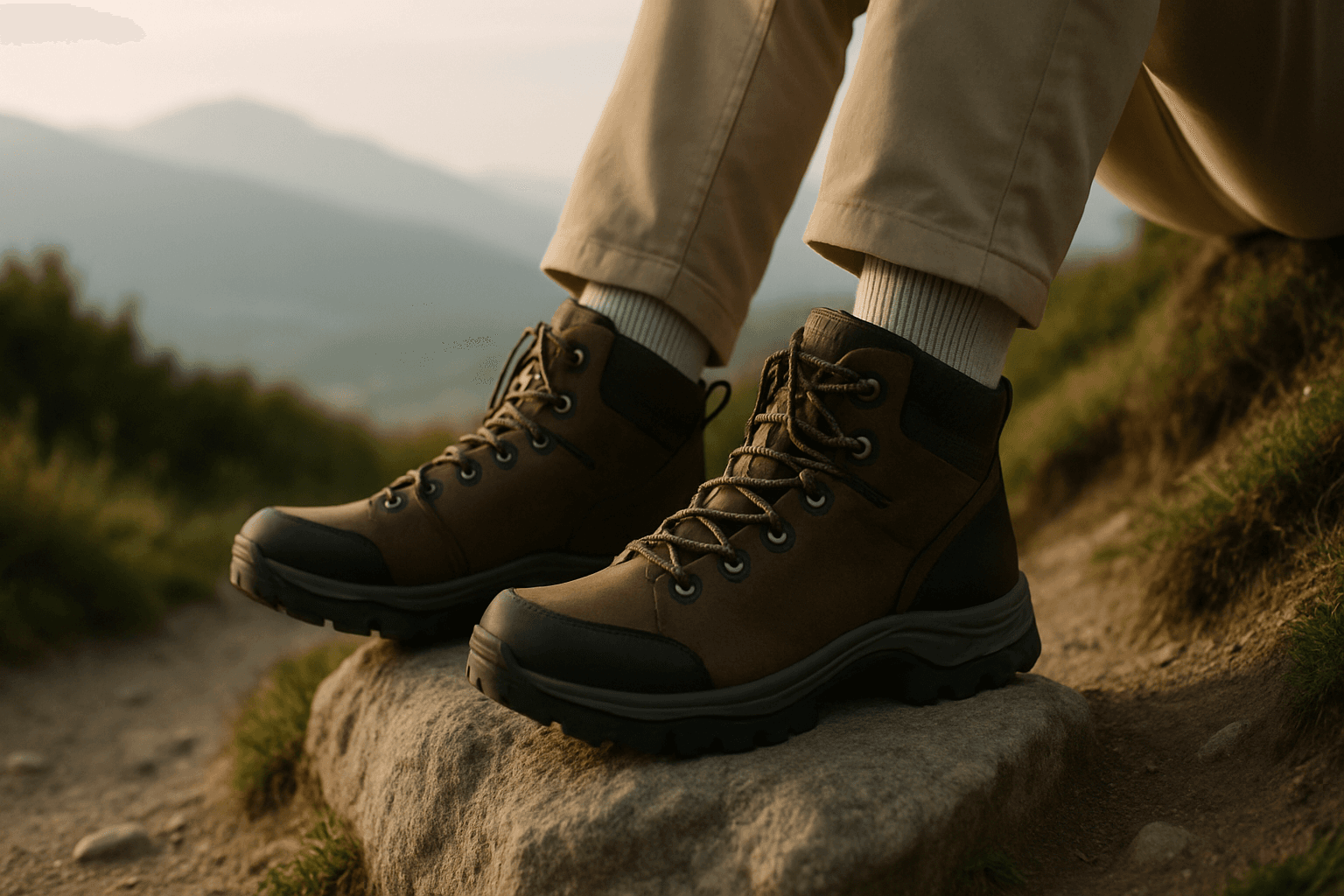
Hiking puts long hours of repeated load on the plantar fascia, often on uneven ground and with a pack on your back. Many people with plantar fasciitis can still hike, but the details matter: a stable boot, a supportive insole with total contact under the arch, a gradual build-up in distance and a routine for the first steps after a rest.
The boot advice you will read online is not unanimous. Some guides warn that a very stiff sole can aggravate the foot, while others argue that torsional rigidity limits midfoot bending that strains the fascia. A sensible middle path is a boot that resists twisting but still bends at the ball of the foot, with a removable insole you can upgrade.
This is about comfort and support on the trail, not a medical treatment. If heel pain persists despite sensible changes, see a doctor or podiatrist before planning big days.
Choose a stable boot with a bend point at the ball of the foot
Try boots on late in the day with the socks you will hike in. Hold the boot and twist it: it should resist twisting through the middle. Then press the toe up toward the heel: it should bend at the ball of the foot, not in the arch. A boot that folds in the middle can let the arch collapse with each step.
A slight heel lift is helpful for many people because it reduces the stretch demanded of tight calves and the Achilles. Check that the heel counter is firm and that the heel does not slip. Footwear with a removable footbed is useful because it lets you swap in a supportive insole. For more on shoe features, see our page on doctor recommended shoes.
Upgrade the insole
Outdoor and footwear guides quote pedorthists recommending a stable shoe and an insole that makes total contact with the foot. Factory insoles in hiking boots are usually thin and flat. A firm arch with a deep heel cup helps share load across the foot and cradle the heel. Our Akusoli insoles review covers one trim-to-fit option, and the work boots insoles guide explains fitting an insole into a deeper, stiffer boot.
Ease a new insole in over several outings rather than wearing it for a 15-mile day on first use, and trim it by using the factory insole as a template.
Build up gradually
Start with shorter, easier hikes and add distance and elevation in small steps. Sudden big days are a common way to flare heel pain. Plan rest stops to take your boots off, stretch the calf and arch, and let your feet breathe. Carrying a lighter pack reduces total load on the foot, and trekking poles share some of that load with your arms.
Before, during and after: a short routine
Before setting out, do a gentle calf stretch and arch stretch; our plantar fasciitis stretches page walks through them. After long sits at a viewpoint or lunch break, expect the first steps to feel stiff, so move gently for a minute before heading off. At the end of the day, roll the arch over a frozen water bottle or ball and elevate your feet.
Many people find downhill sections the hardest because of the braking load through the heel. Shortening your stride and using poles can make descents more comfortable.
Pack weight and terrain
Every extra pound in your pack adds load that passes through the foot with each step. Trim the gear you rarely use, carry water in smaller amounts when a refill point is near, and place heavy items close to your back. On rocky or uneven ground, slow down and place your feet deliberately; a stiff, supportive boot helps here because the midfoot is not asked to flex over every stone.
Choose well-graded trails while you are finding your limit. Hard-packed paths and gentle gradients are kinder than long scree slopes or steep staircases of rock, and shorter loops let you stop early if the heel starts to complain.
Recovering between hikes
Give your feet a rest day or a lower-impact day, such as swimming or cycling, after a long outing. Wear supportive shoes around the house rather than going barefoot on hard floors; our page on slippers for plantar fasciitis explains what to look for. If the morning after a hike brings sharper first-step pain than usual, shorten the next outing rather than pushing through it.
Socks and lacing
Choose cushioned hiking socks that wick moisture and fit without bunching. Lace the boot firmly through the midfoot so the arch is held in place, and use heel lock lacing if your heel lifts; see heel lock lacing. Avoid cranking the top of the boot so tight that it presses on the top of the foot.
When to skip the trail and see a clinician
Heel pain that is getting worse through a hike, pain that wakes you at night, swelling, numbness, or pain that has not eased after several weeks of home care deserves a visit to a doctor or podiatrist. They can check for other causes, including stress fractures, and discuss options such as custom orthotics.
See the insole we review
A trim-to-fit insole with a firm arch and deep heel cup that can replace thin factory footbeds.
See the insole we review →Frequently asked questions
Can I hike with plantar fasciitis?
Many people can with the right boots, insoles and a gradual build-up. Stop and get checked if pain worsens or persists.
Should hiking boots be stiff for plantar fasciitis?
Opinions vary. A boot that resists twisting but bends at the ball of the foot is a sensible compromise.
Do I need to replace the boot insole?
Factory insoles are usually thin. Many people swap in a firmer insole that makes full contact with the foot.
How should I walk downhill?
Shorter strides, trekking poles and a slower pace reduce the braking load through the heel.
What should I do after a hike?
Remove your boots, stretch the calf and arch, roll the arch over a cool bottle and rest your feet.
When should I see a podiatrist?
If pain lasts beyond a few weeks of home care, wakes you at night, or comes with swelling or numbness.
HeelCups is reader-supported. When you buy through links on our site we may earn an affiliate commission, at no extra cost to you. This article is general information about foot comfort and is not medical advice — see our medical disclaimer.