WALKING & RUNNING
Heel Pain When Walking or Running: What Is Actually Happening and What Helps First
Heel pain that flares mid-run, at the end of a long walk, or the morning after usually points to plantar fasciitis, Achilles tendinopathy or a bruised fat pad — three different fixes with three different starting moves.

Heel pain that shows up when you walk or run is one of the most common reasons readers land on this site, and it is also one of the most misdiagnosed. The instinct is to stop for a week, hope it settles, and start again — and for a small subset of readers, that is enough. For most, the pain returns the moment mileage or standing hours come back, because the reason it hurt the first time is still there. What actually helps is a five-minute honest read of when the pain hits, where it hits, and what changed in your training or your day that tipped the tissue over.
The three patterns that account for most run-related and walk-related heel pain are plantar fasciitis (sharp under-heel pain, worst with the first steps in the morning after a long session), Achilles tendinopathy (a nagging tightness or ache at the back of the heel, worst at the start of a run and after uphill work), and fat pad irritation (a diffuse bruised feeling across the whole heel pad, worst at the end of a long walk on hard surfaces). Each responds to a different first move, and mixing the plans is how three weeks turns into three months.
This page walks through the three patterns, the quick tests that tell them apart, and what to try in the first two weeks of each. Nothing here is medical advice. Heel pain that has not eased after four to six weeks of honest home care, or that came with a specific injury, deserves an in-person exam by a doctor or podiatrist. Every recommendation on this hub is written for comfort, support and relief.
Mapping when the pain hits: mid-run, post-run or the next morning
Timing tells a lot before location does. Pain that stabs under the heel on the first steps of a run and eases within a mile as everything warms up, then returns for the walk back to the car, is the plantar fasciitis pattern. The fascia stiffened while you drove to the trail, and the first steps are the classic tug. Pain that is fine on the first mile and creeps up as the miles pile on, then dominates the walk home and the next day, is more often fat pad or Achilles depending on where along the heel it settles. Pain that is fine during the run and wakes you the next morning stabbing under the heel is plantar fasciitis, showing you what a long run added to a fascia that was already borderline.
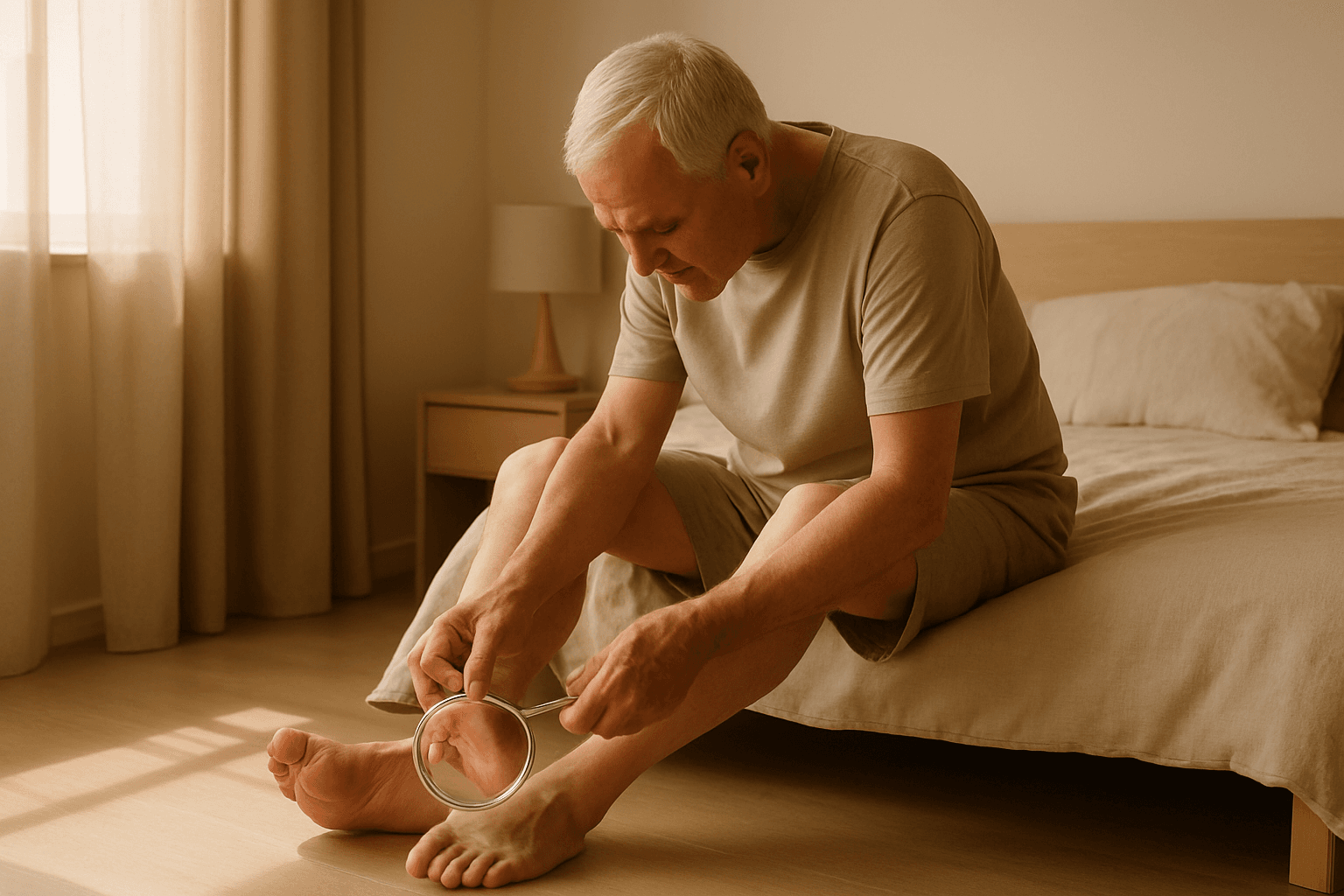
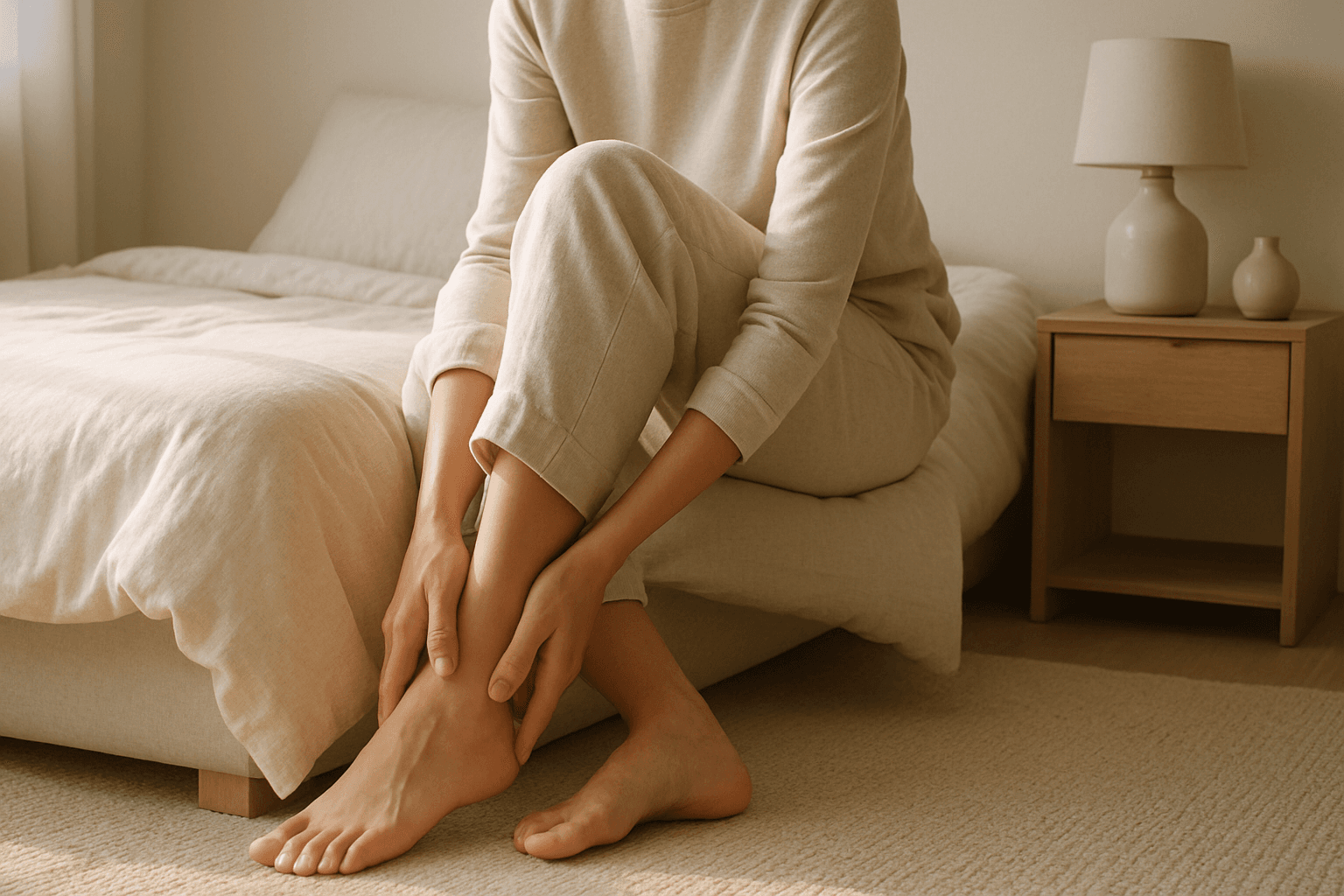
The single most useful piece of information is where along the heel it hurts. Sharp, focal, under the very front of the heel bone where the fascia attaches: plantar fasciitis. A tight ache along the back of the heel or up into the calf, worst on hills and stairs: Achilles. A diffuse, bruised feeling across the whole underside of the heel pad, worst at end of day: fat pad. Pinpointing which one you have is a two-minute exercise that saves weeks of guessing. Our why does my heel hurt page has the full map if the sort is not obvious.
The other tell is what changed. Mileage jumps of more than ten percent week over week are the classic plantar fasciitis and Achilles trigger. A new pair of flat, minimally cushioned shoes is a common fat-pad trigger. Adding hills to a flat-ground training block is an Achilles trigger. A new job that adds four hours of standing on concrete on top of an unchanged run schedule tips several patterns over at once. Write down what changed in the last two to four weeks; the answer is nearly always sitting there.
Plantar fasciitis: the classic runner's and walker's heel
The plantar fascia is the thick band that runs from the heel bone to the base of the toes and supports the arch. Running and long walking load it a lot; it shortens overnight, and the first steps in the morning re-tug on a fascia that has stiffened. For runners and walkers, plantar fasciitis usually shows up as sharp pain under the front edge of the heel bone with the first steps of the morning, eases as the tissue warms, and comes back at the end of a long session. It is the most common heel pain in this population and the most responsive to a simple daily routine.
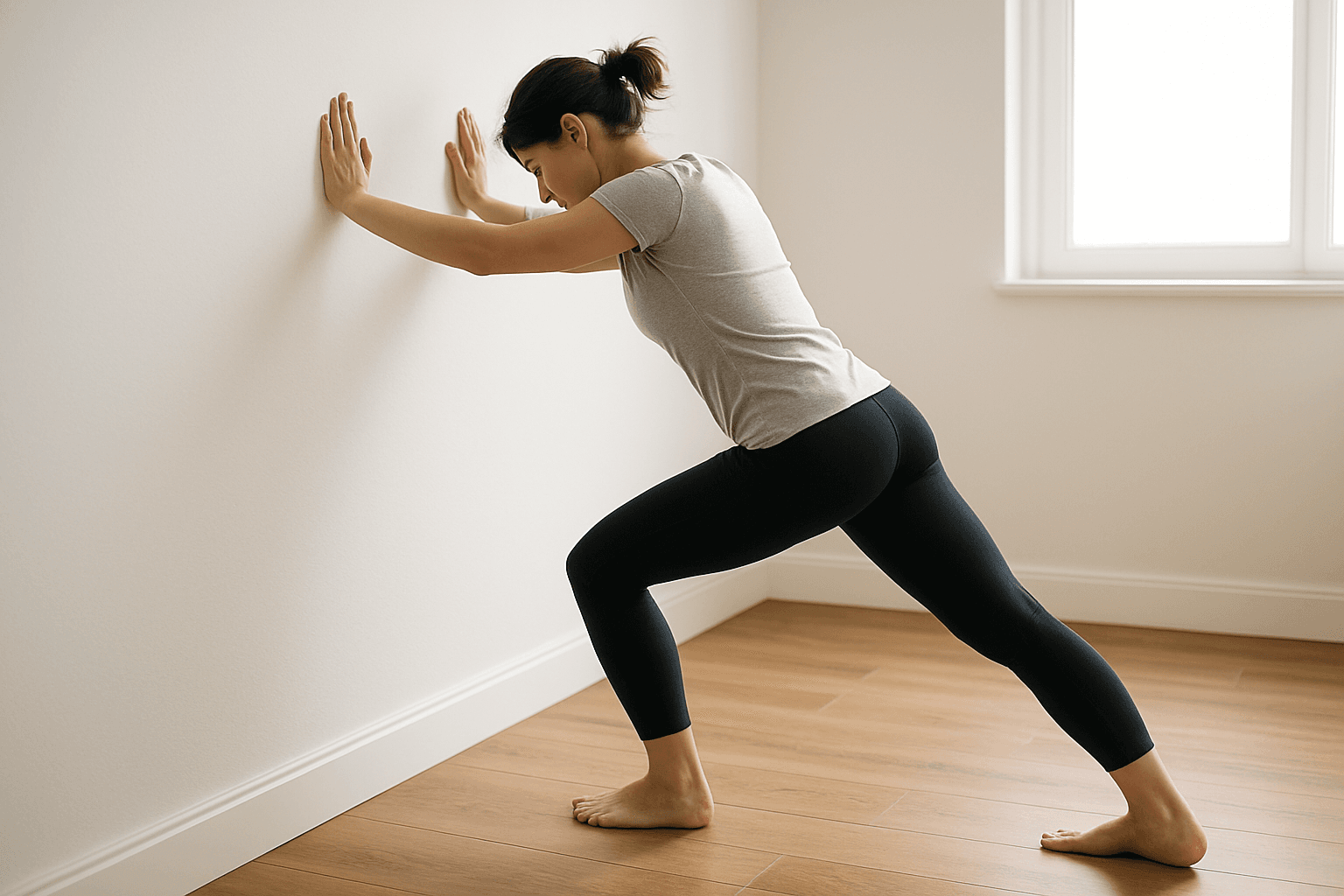
The first two-week plan for a running plantar fasciitis flare: cut weekly mileage by a quarter (not to zero — running through a moderate cut usually settles faster than a full stop and re-ramp), swap one run per week for a walk or a bike, add a supportive insole with a firm arch and a deep heel cup to every shoe you wear for more than an hour (the run shoes and the walk-around shoes both), and do a five-minute calf and fascia stretch morning and night. Our plantar fasciitis stretches page has the sequence and our Akusoli insoles review is the pair we would install first. Nothing on this plan is dramatic. It works because it is consistent for three to four weeks.
What not to do: heavy calf stretching into pain, aggressive rolling of the fascia with a hard ball on a fresh flare, or a full month of no activity in the hope it heals on its own. The fascia responds to load management, not to nothing. Persistent morning pain that has not eased after four weeks of the routine is worth a clinician's read.
Achilles pain: the back of the heel
Achilles tendinopathy is the runner's diagnosis that gets missed as plantar fasciitis by half of first-time sufferers. The pattern is different: pain and stiffness at the back of the heel where the Achilles inserts, worst at the start of a run and after long sits, better as you warm up, worse the day after a hill workout. There is often a visible thickening of the tendon or a tender bump where the tendon meets the heel bone. Squeezing the tendon between finger and thumb is uncomfortable in a way that squeezing a healthy tendon is not.
The first two-week plan for run-related Achilles pain is different from the plantar fasciitis one. Cut mileage by a quarter to a third, cut hills entirely for two to four weeks (hills are the specific load that flares the tendon), and add a small heel lift (three to six millimeters) to every shoe including the run shoes; the lift shortens the tendon slightly and takes edge off each step. Do not aggressively stretch the tendon in the acute phase — heavy stretching on a fresh flare often makes it worse. Once the acute pain has settled, eccentric calf raises (heel drops off a stair, two sets of fifteen, once a day) are the specific exercise with the strongest evidence for Achilles tendinopathy; add them from week three or four, not week one. Our pain in the back of the heel page covers the full progression.
Achilles tendinopathy that has been present for weeks and has visible tendon thickening is worth a clinician's read for imaging and a formal rehab plan. It is a slow tissue to change; be patient with a six to twelve week timeline.
Fat pad irritation: cushioning failed you
Fat pad irritation is the least glamorous of the three patterns and the most common in walkers who have picked up flat, minimally cushioned shoes for summer or in runners who have moved to a much lower-drop shoe without transitioning. The heel pad is a fibrous cushion under the heel bone that absorbs a lot of the shock of each heel-strike. Under-cushioned shoes on hard surfaces, or a weight gain of even ten to fifteen pounds without a change in shoes, is enough to overwork it. The pattern is diffuse, bruised soreness across the whole underside of the heel pad, worst at end of day, better after a night's rest.
The first two-week plan is boring and effective. Add cushioning under the heel — a supportive insole with a deep, cushioned heel cup, or a standalone heel cup in the shoes where a full insole will not fit — cut the specific activity that tipped the tissue over (long walks on concrete, minimalist runs), and give it two to four weeks of load management. This is one of the fastest of the three patterns to settle. Our how to use heel cups walk-through covers standalone cups, and the same Akusoli insoles that help plantar fasciitis handle fat pad pain too — the deep heel cup is the shared feature.
What not to do on a fat pad flare: pile on more support without more cushioning, or expect to run through it without cutting mileage. The pad needs load off it for a couple of weeks, not more arch.
Load management: cutting mileage without stopping
Full rest is not usually the right move for any of the three patterns above. Detrained tissue is not more resilient tissue, and returning to a full training load two weeks after a fresh flare re-injures the same fascia, tendon or pad most of the time. What works better is a temporary cut in the specific load that tipped the tissue over — mileage, standing hours, a new surface, hill work — held for two to four weeks while the daily support and stretching routine goes in.
A useful rule of thumb: cut the weekly mileage or walking hours by a quarter for two weeks, then by a fifth the third week, then hold flat the fourth week before adding a small increment. Substitute one session per week with a low-impact activity — a bike, an elliptical, a swim — so cardio fitness holds while the tissue quiets. Walkers can substitute a lunchtime walk on grass for a lunchtime walk on concrete for the same effect. The goal is to keep the tissue moving through a comfortable range while dropping the daily volume that overwhelmed it.
Small habits round out the plan. Ice or a frozen water bottle rolled under the arch or heel for five minutes after long sessions helps every pattern. Compression sleeves under socks in dress shoes and around the ankle after runs cut swelling. Sleep is not a joke: tissue recovery runs during the eight-hour window most runners are chronically short on. And if you are ramping mileage back up, follow the ten-percent-per-week rule for the first four weeks — it is boring and it holds up.
Shoes, insoles and small habits: the daily support layer
The single move that changes recurrence odds most is putting a supportive insole in every shoe you wear for more than an hour, not just the run shoe. Most heel pain in walkers and runners comes back not because the run shoe failed but because the pair of flat house slippers, flat clogs at work, or flat sandals in summer un-did the run shoe's work every day. A cheap trim-to-fit insole in the daily walker and the house shoe is the least glamorous, highest-leverage change you can make. The pair we would install first is in our Akusoli insoles review — it hits the three features (firm arch, deep heel cup, dense base) at a price you can buy for both shoes.
Shoe rotation matters for runners. Rotating two pairs of running shoes lets each pair recover between runs (foam midsoles want twenty-four hours of no-load rest to recover most of their compression) and gives the leg a small variety of geometry rather than the same loading pattern every day. A stability shoe and a neutral shoe rotated across the week is a common setup for a runner working through a mild flare.
Nothing on this hub replaces a clinician. Persistent heel pain that has not eased after four to six weeks of the routine, or heel pain that came with a specific injury or comes with swelling, warmth, numbness, tingling or a color change, deserves an in-person exam by a doctor or podiatrist. The goal here is comfort, support and relief while the tissue calms down, and knowing when the picture has stopped fitting the self-care lane.
The insole we would install for run and walk heel pain
A trim-to-fit insole with a firm medial arch and a deep, cushioned heel cup — the daily support layer that makes the mileage cut and the stretching routine actually stick.
The insole we would install for run and walk heel pain →Frequently asked questions
Should I stop running if my heel hurts?
Usually no — a temporary mileage cut (about a quarter of your weekly total for two weeks) plus a supportive insole and a stretching routine settles most run-related heel pain faster than a full stop and re-ramp does. Full rest is right when there is a specific injury, swelling, warmth, a color change, or pain that came on sharply during a step rather than building up. Otherwise, cut the load, add the support, keep moving.
How do I tell plantar fasciitis from Achilles pain?
Location first. Plantar fasciitis is under the front of the heel bone where the fascia meets the heel, and it is sharpest with the first steps of the morning. Achilles pain is at the back of the heel where the tendon inserts, and it is worst at the start of a run and on hills or stairs. Squeezing the Achilles between finger and thumb hurts in a way squeezing a healthy tendon does not; pressing under the heel where the fascia attaches hurts in the plantar fasciitis pattern. Our why does my heel hurt page has the full sort.
Will insoles help heel pain when running?
For plantar fasciitis and fat pad patterns, yes — a supportive insole with a firm arch and a deep heel cup is one of the higher-leverage tools you can add to a run shoe or a walking shoe, and the pair we would install first is in our Akusoli insoles review. For Achilles pain, a small heel lift is the more specific tool; some insoles include a small built-in lift, others do not, and a standalone lift under an insole is a common combination. Insoles do not replace the load management piece — the mileage cut and the stretching routine — but they make the daily support layer work harder.
How long does heel pain from running take to settle?
With honest load management, a supportive insole in every shoe, and a five-minute daily stretching routine, most plantar fasciitis and fat pad flares settle in three to six weeks. Achilles tendinopathy is slower — six to twelve weeks for a moderate case is normal, and it is a tissue that responds to eccentric loading rather than rest alone. Pain that has not moved after four to six weeks of the routine deserves a clinician's read.
Can I walk long distances with heel pain?
Short walks are usually fine and often helpful — moving the tissue through a comfortable range helps recovery. Long walks on hard surfaces (concrete, city sidewalks, tile floors) load the same tissue that a run does and are the wrong first move on a fresh flare. If your job includes long walking, add a supportive insole to the work shoe, wear a compression sleeve through the shift, and swap surface where you can — a lunchtime walk on grass or a rubberized track is easier on a sore heel than a lunchtime walk on concrete.
What shoes are best for walking or running with heel pain?
Shoes with a firm heel counter (the cup at the back that holds the heel steady), a stable non-tapered outsole, and enough cushioning to take the edge off hard surfaces. For plantar fasciitis, a shoe with meaningful arch support already built in helps; for Achilles pain, a shoe with a moderate heel-to-toe drop (eight to ten millimeters) reduces the tendon load per step compared with a zero-drop shoe. Any decent shoe can be improved for heel pain by pulling the flat factory insole and dropping in a supportive aftermarket pair. Our insoles hub covers the buyer categories in more detail.
HeelCups is reader-supported. When you buy through links on our site we may earn an affiliate commission, at no extra cost to you. This article is general information about foot comfort and is not medical advice — see our medical disclaimer.