BOTTOM OF HEEL
Pain in the Bottom of the Heel: What It Usually Is and What Helps First
Sharp under-heel pain in the morning, a bruised feeling by end of day, or a deep tender spot after a fall — three different problems with three different first moves.
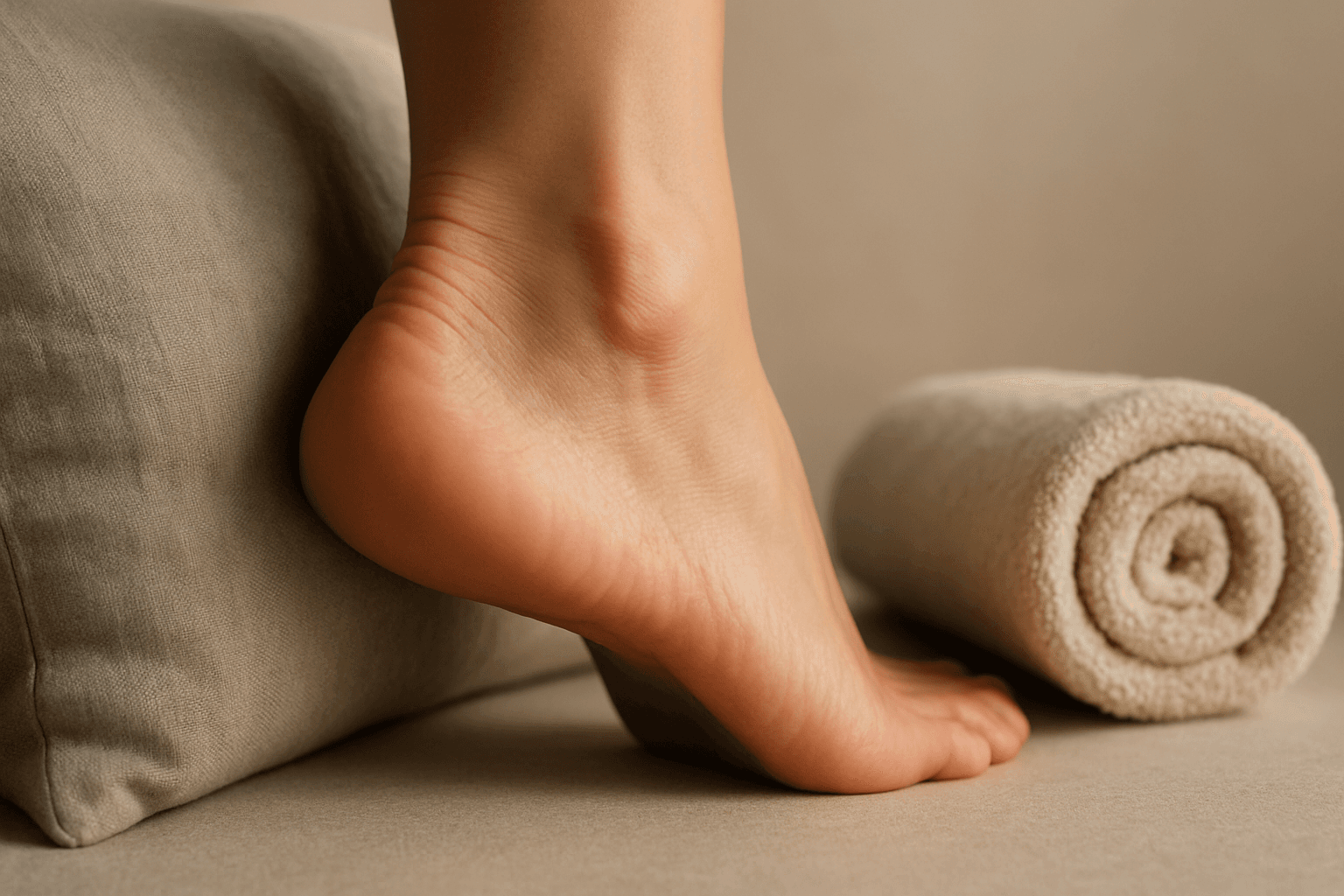
Pain in the bottom of the heel is one of the most common complaints in podiatry clinics, and it lumps three very different problems under the same phrase. Sharp pain with the first steps in the morning that eases as you walk is one problem. A dull, bruised feeling that builds through the day is a second. A deep, focal spot that hurts with any weight on the heel and does not follow a mechanical pattern is a third. Sort out which one matches yours and the useful first move is obvious.
This page walks through the three patterns, the everyday triggers behind each, and the changes that tend to help — plus the red-flag symptoms that mean you should skip the self-care and see a clinician now. It is a decision map, not a diagnosis. If you want the broader landscape of heel pain — including pain at the back of the heel and side-of-heel pain — start with our why does my heel hurt map instead.
Nothing here is medical advice. Anyone with heel pain that has lasted more than four to six weeks despite honest home care, or with any of the red flags below, deserves an in-person exam by a doctor or podiatrist. Everything we cover is written for comfort, support and relief.
Where exactly on the bottom of the heel does it hurt?
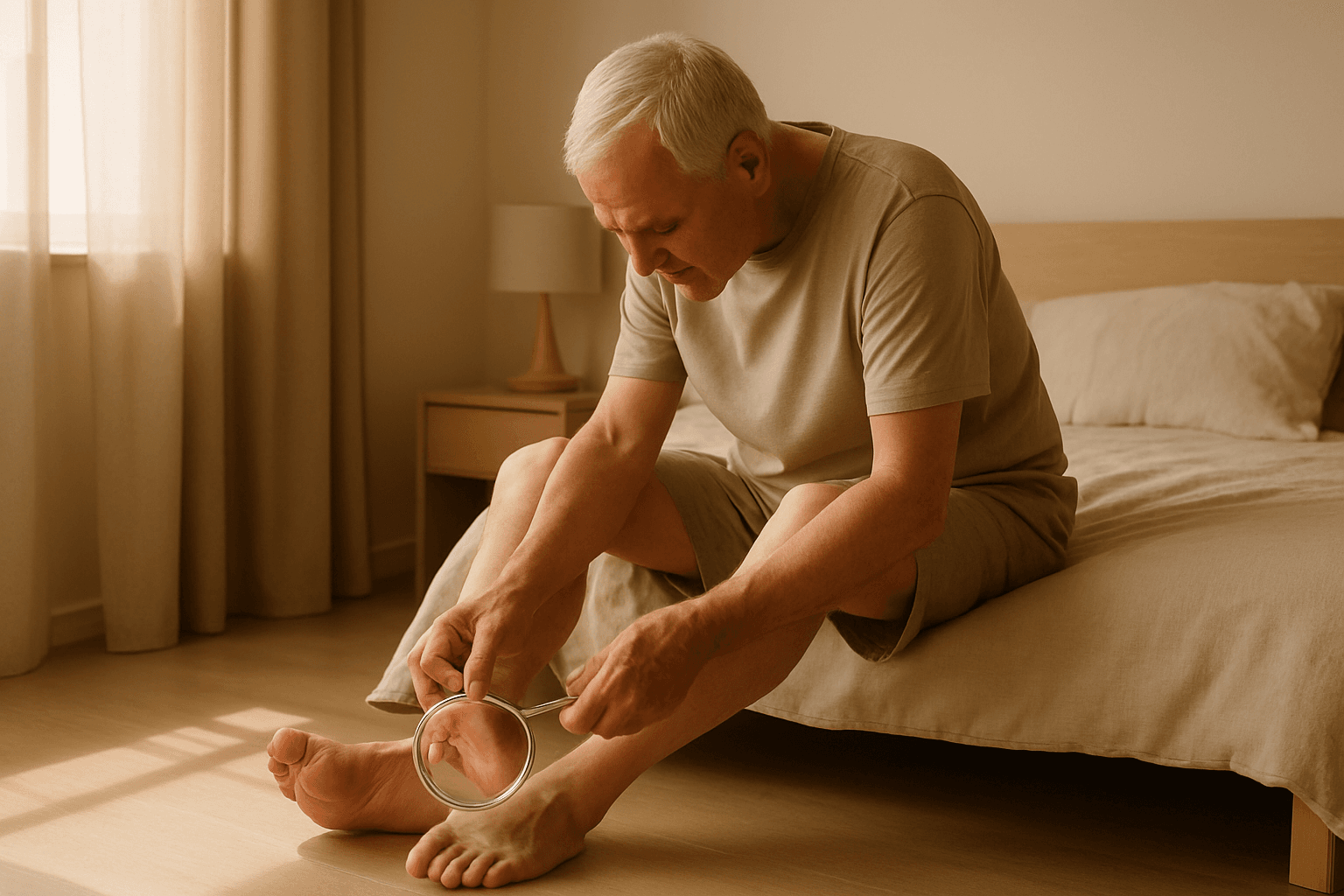
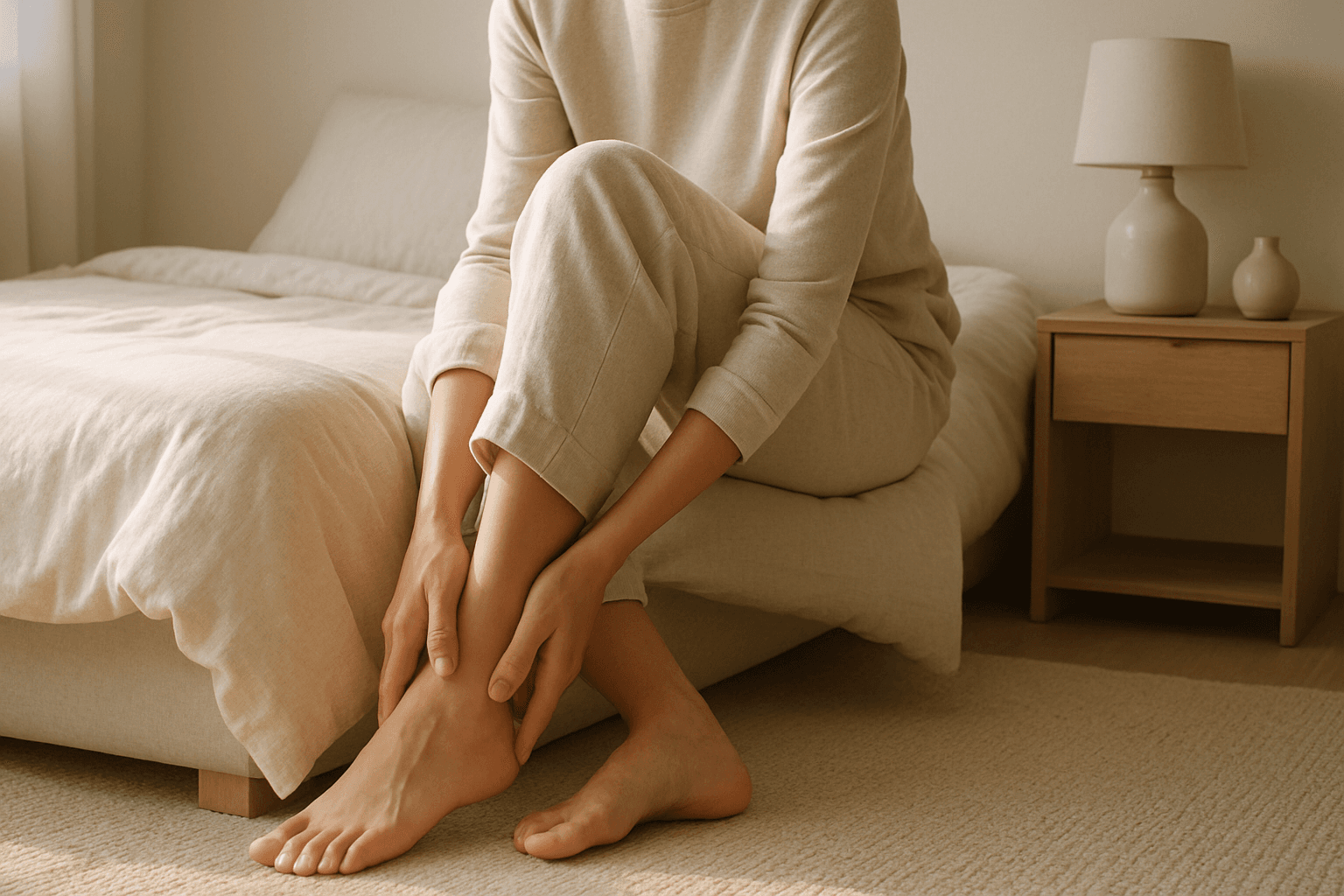
Take off your shoes, sit down, and press slowly with a thumb around the sole of the heel. Most under-heel problems have a single tender spot, and finding it does most of the diagnostic work. Pain right at the front of the heel bone, slightly toward the inside of the foot, that reproduces the pain you feel when you walk, is the classic plantar fascia insertion — the fingerprint of plantar fasciitis. Pain across the whole pad of the heel, without a single sharp spot, that feels like a bruise no matter where you press, is fat pad irritation. A deep, exquisitely tender point anywhere on the heel bone that hurts with any pressure and did not exist a few weeks ago is worth flagging as possible bone bruise or stress fracture.
Timing is the other half of the picture. Morning-worst pain that eases with walking and returns after long standing points strongly at the fascia. End-of-day-worst pain that was fine in the morning points at the fat pad. Pain at rest, or pain that wakes you at night, is unusual for either of the everyday causes and needs a clinician's read.
Pattern 1: sharp under-heel pain that is worst in the morning
This is plantar fasciitis in about nine cases out of ten. The plantar fascia is the thick band of tissue that runs from the heel bone to the base of the toes and holds up the arch. During sleep it shortens and cools; standing up in the morning stretches the cold, sore tissue under your full body weight and the tiny tears from yesterday's load protest all at once. A few minutes of walking loosens it, and then the pain creeps back later in the day as the load piles up.
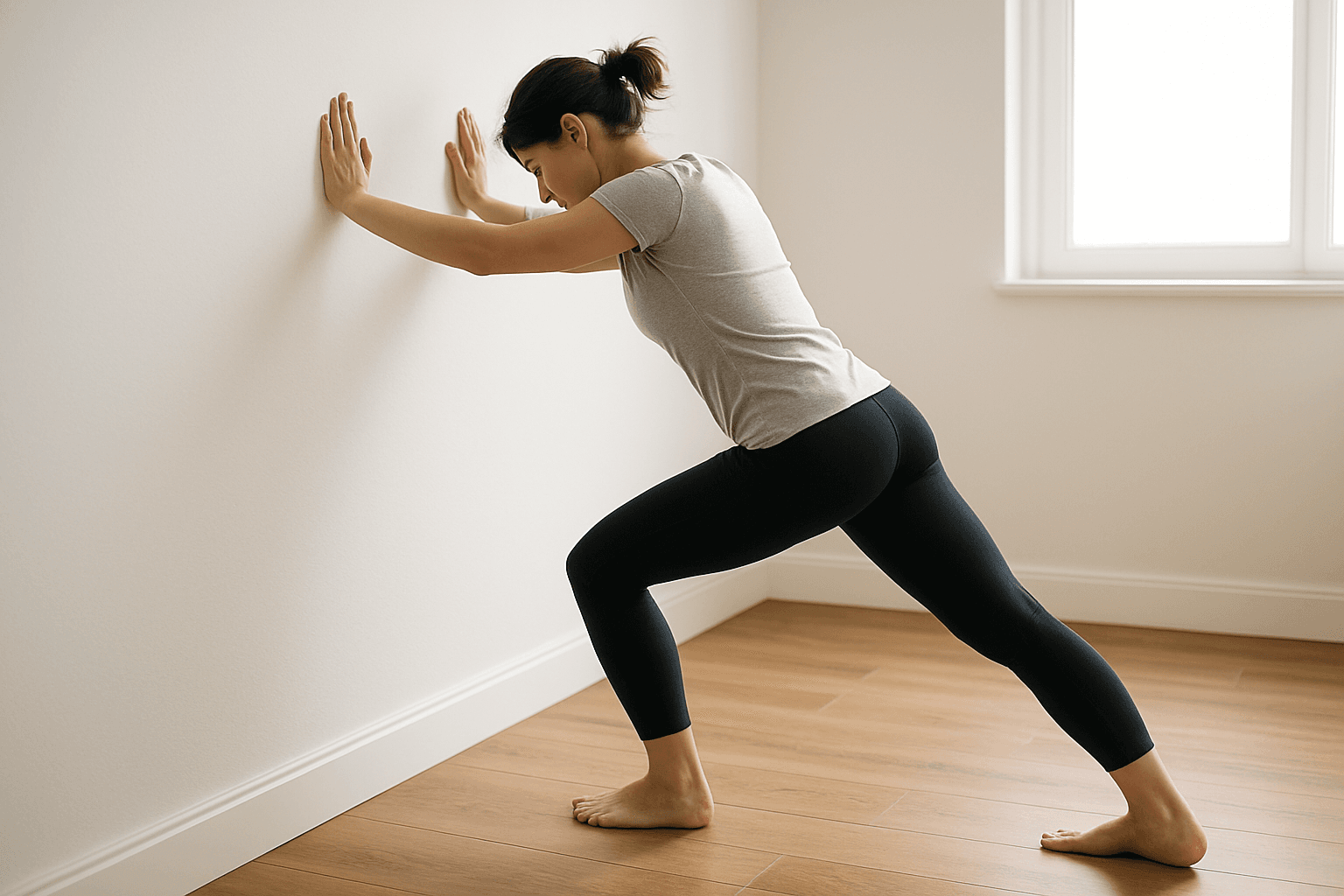
First moves that help: a towel or belt stretch before your feet hit the floor (sitting up in bed, loop a towel around the ball of the foot and pull the toes back toward you for thirty seconds, three times per foot); calf stretching morning and night; a supportive insole with a firm arch and a deep heel cup in every shoe you wear all day; and a cut in the specific activity that tipped the tissue over — a mileage spike, a new twelve-hour shift, a summer of flat sandals — for two to four weeks. Our full routine lives on the plantar fasciitis stretches page, and the insole we would buy first is in our Akusoli insoles review.
Pattern 2: a bruised-feeling pad that builds through the day
The fat pad under the heel is a dense network of fat compartments that acts as your body's built-in shock absorber. It thins with age (noticeably from about fifty on), takes damage from a hard heel strike or a fall, and can inflame from too many hours on concrete in flat shoes. The pain is diffuse — you cannot point to one spot — and it feels like a fresh bruise that gets worse with each hour on your feet, not first thing in the morning. Some people describe it as walking on a stone under the skin.
First moves that help: cushioning rather than aggressive arch support; a soft heel cup, gel pad or well-cushioned shoe; less time barefoot on hard floors, especially at home; and ice at the end of the day. A supportive insole with a deep heel cup that cradles the fat pad into its natural position (rather than letting it splay out sideways under load) makes the pad work the way it was built to. A very firm rigid orthotic tends not to help fat pad pain the way it helps fascia pain — the shape you want here is a cushioned cradle.
Pattern 3: a deep, focal spot that hurts with any weight
Deep, focal pain on the bottom or side of the heel bone that hurts with any weight-bearing, does not follow the morning-worst pattern, and started after a jump in activity or a fall is a different animal. A calcaneal stress fracture can hide in these symptoms and is easy to miss on a first X-ray; it usually needs a targeted exam and sometimes an MRI. Runners who have ramped up mileage quickly, dancers, military recruits and older adults with bone density concerns are the classic groups.
This pattern does not belong in the self-care lane. Home changes will not fix it and can prolong it. Book a podiatrist or sports medicine clinician, describe the timing (what changed in the two to eight weeks before the pain started), and ask specifically whether stress fracture needs to be ruled out. In the meantime, cut impact activities and use a supportive shoe with cushioning — but the priority is the visit, not the shoe.
What plantar fasciitis and fat pad pain share (and how the fix differs)
Both problems get worse on flat, unsupportive shoes and long shifts on concrete, and both improve when the heel is cushioned and the load is spread. That is why the general advice — better shoes, less barefoot time, an insole, ice, cut the activity that tipped it — helps either pattern for a while. The specific fix is where they diverge. Plantar fasciitis wants a firm arch to unload the fascia; fat pad pain wants cushioning and a cradling heel cup and does not need aggressive arch support. Put a soft gel pad under a fascia problem and you will spend all day with the fascia still overstretched; put a rigid orthotic under a fat pad problem and you will make the sore pad angrier.
The one insole that does a reasonable job at both — because it combines a firm arch with a deep, cushioned heel cup — is the pair we recommend first. See our Akusoli insoles review for the details.
Red flags: when bottom-of-heel pain is not a self-care problem
See a doctor or podiatrist sooner rather than later if any of these apply: the pain followed a specific injury, fall or twist; it is severe enough to change how you walk; you cannot bear weight without wincing; it comes with swelling, warmth, redness or a fever; there is numbness, tingling, burning or a color change into the sole; it wakes you at night or is present at rest; it has been present for more than four to six weeks despite honest home care; or you have diabetes, poor circulation, or a history of low bone density.
Persistent heel pain in a child or teenager is almost never plantar fasciitis or fat pad pain; a growth-plate irritation called Sever's disease is far more likely and needs its own plan. Heel pain on both sides at once in someone under forty is a signal to look for systemic causes rather than mechanical ones — that is another clinic-visit conversation.
The short version of what to do this week
If your pain matches pattern one (morning-worst, sharp, under the front of the heel): start the towel stretch in bed today, add calf stretching morning and night, put a supportive insole in your everyday shoes, and cut the activity that tipped it for two to four weeks. If it matches pattern two (bruised feeling, builds through the day): reach for cushioning, a soft heel cup or a well-cushioned shoe, less time barefoot on hard floors, and ice at the end of the day. If it matches pattern three (deep, focal, hurts with any weight), book a clinic visit this week and ask about stress fracture.
Give whichever plan you pick three to four weeks of honest daily practice before deciding it is not working, and change one variable at a time. For the broader map — pain at the back of the heel, side-of-heel pain, what heel cups do that insoles do not — start on the heel pain hub.
The insole most bottom-of-heel patterns benefit from
A trim-to-fit insole with a firm arch and a deep, cushioned heel cup — supports the fascia, cradles the fat pad, and fits in the shoes you already own.
The insole most bottom-of-heel patterns benefit from →Frequently asked questions
Is pain in the bottom of the heel always plantar fasciitis?
About nine times out of ten in adults, yes — especially if it is worst with the first steps in the morning and eases as you walk. But fat pad irritation, calcaneal stress fractures, nerve entrapments and (in children) Sever's disease all cause bottom-of-heel pain and each needs a different plan. A slow thumb-press and a note of when the pain shows up are the two best diagnostic tools you have at home.
How do I tell fat pad pain from plantar fasciitis?
Fat pad pain is diffuse across the whole heel pad and feels like a bruise; plantar fasciitis is a single sharp spot at the front of the heel bone, slightly toward the inside of the foot. Fat pad pain is worst at end of day and eased by cushioning; plantar fasciitis is worst first thing in the morning and eased by stretching plus arch support. The fixes overlap but are not identical.
Can walking barefoot at home cause heel pain?
Yes, if the floors are hard and you are on your feet for hours. Bare feet on hardwood or tile give the fascia and fat pad none of the support they were getting from your shoes. If you are dealing with either pattern, wear a supportive slipper or house shoe at home for two to four weeks and see if it helps. Many people are surprised by how much a change of house shoes moves the needle.
How long should I try home care before seeing a doctor?
Most simple mechanical bottom-of-heel pain settles within four to six weeks of consistent home care — daily stretching, a supportive insole, less barefoot time on hard floors, and cutting the activity that tipped it. If honest care over that window has not moved the needle, or if any red flags are present, book an exam sooner. Deep focal pain that hurts with any weight-bearing is a same-week reason to be seen.
Does a heel spur cause pain in the bottom of the heel?
Rarely on its own. Heel spurs are common in people without any pain at all, and many people with plantar fasciitis have no spur on X-ray. The spur is a slow response to years of pull on the heel bone; when a heel with a spur hurts, the pain almost always comes from the inflamed soft tissue around it, and treatment looks essentially identical to treatment for plantar fasciitis. For a deeper read on the bruised-feeling pattern specifically, see our heel fat pad syndrome walk-through, and for kids and teens with persistent heel pain the Sever's disease pattern is far more common than either fascia or fat pad.
Do I need a special insole for bottom-of-heel pain?
For the two most common patterns — plantar fasciitis and fat pad pain — an over-the-counter insole with a firm arch and a deep, cushioned heel cup does the two useful jobs of unloading the fascia and cradling the fat pad. It is not a treatment, but it is what makes the daily basics — stretching, sensible activity, less time barefoot on concrete — actually stick. Our first-pick pair is in the Akusoli insoles review.
HeelCups is reader-supported. When you buy through links on our site we may earn an affiliate commission, at no extra cost to you. This article is general information about foot comfort and is not medical advice — see our medical disclaimer.