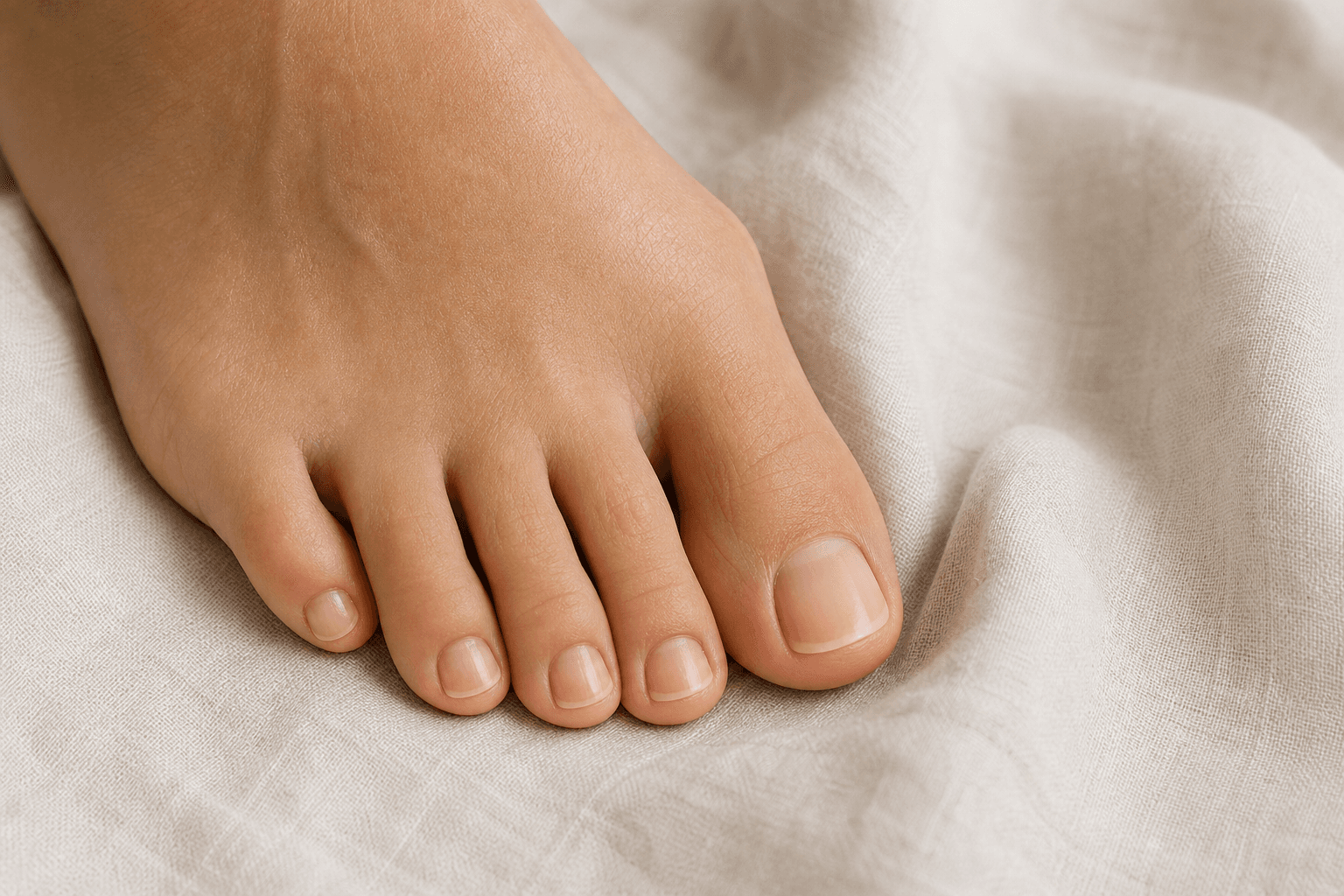
HYDROGEN PEROXIDE SOAK
Hydrogen Peroxide Foot Soak: What It Does, What It Does Not and Who Should Skip It
Peroxide soaks are all over social media. Here is the realistic picture for fungus, odour and small cuts, plus safer ways to get the same comfort.
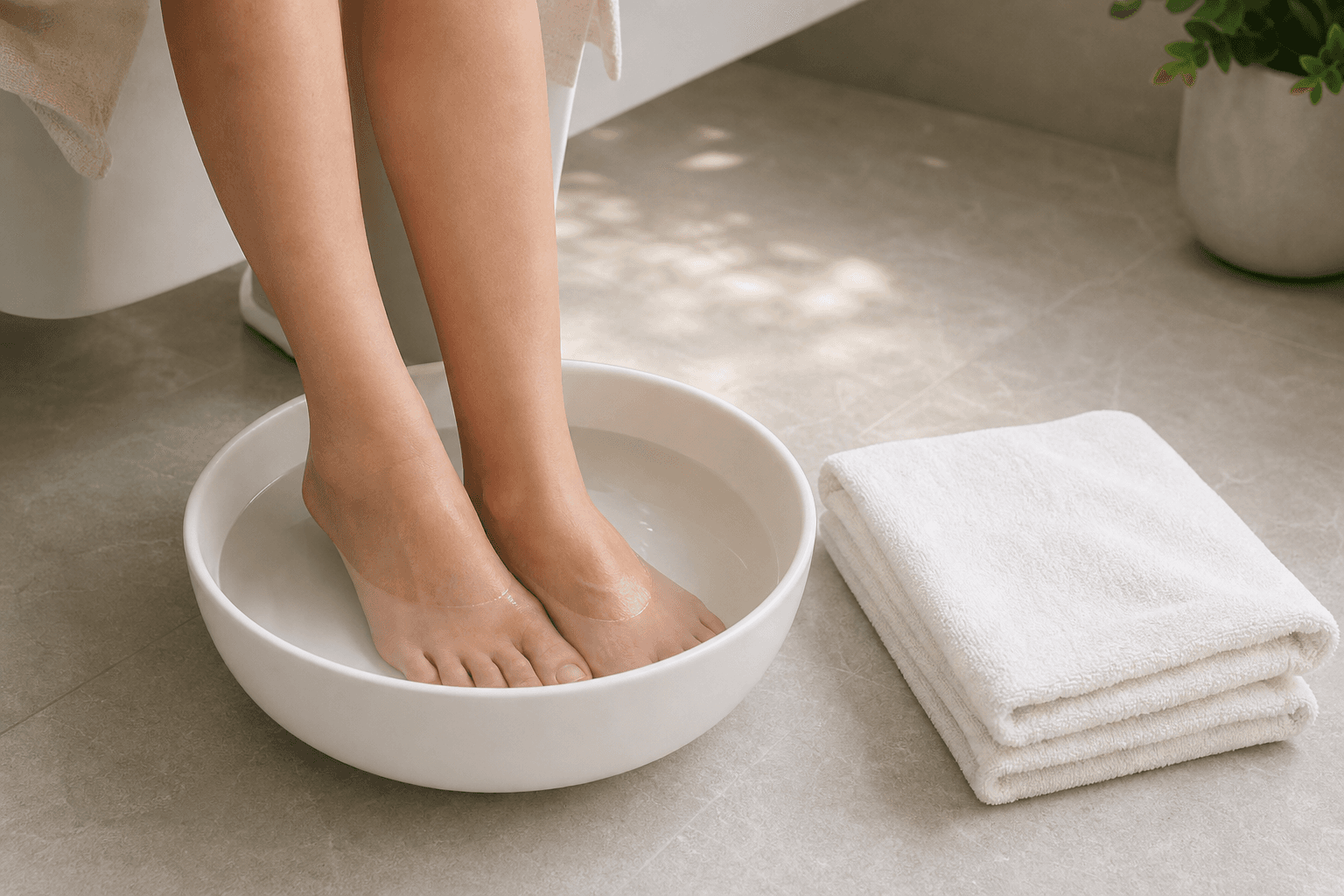
A hydrogen peroxide foot soak can briefly reduce surface bacteria, and the fizzing is satisfying, but it does very little for nail fungus and it is not a way to manage a wound. Podiatry practices that have written about it describe peroxide as hard on healthy skin cells too, so repeated or strong use can irritate feet rather than help them.
Michigan Foot Doctors, for example, say peroxide kills surface bacteria quickly but does almost nothing for nail fungus, and warn against soaking diabetic ulcers or wounds that will not heal in it. Another podiatry practice notes that peroxide also damages the healthy cells needed for healing. None of these sources tests a soak in a controlled trial, so treat peroxide as a low-evidence home habit, not a treatment.
Below is what a soak might reasonably do, the downsides, a gentler alternative, and when to see a doctor or podiatrist. This is general information, not medical advice. For a comfort-focused alternative, see our guide to Epsom salt foot soaks.
What peroxide does
Hydrogen peroxide is an oxidiser that releases oxygen, which is the foam you see. It can reduce bacteria on the skin surface for a short time. That is why it was once routine for cleaning cuts, though many clinicians now prefer plain water or saline for minor wounds.
It is not selective, so it affects skin cells as well as microbes. Dry, tight or stinging skin after a soak is a sign it may be too much for your feet.
Nail fungus and athlete's foot
Fungus in a toenail lives under and inside a thick plate, where a brief soak barely reaches. Reviews of onychomycosis recommend confirmed prescription options for established infections, and note that nails need many months to grow out regardless. Our guide on what kills toenail fungus fast covers the realistic timeline.
For athlete's foot, an over-the-counter antifungal made for skin is the better-matched choice; see athlete's foot creams.
Why 'fizzing' is not the same as working
The foam you see when peroxide meets skin or a cut is the enzyme catalase in your own tissue breaking it down into water and oxygen. That reaction is not a measure of how much fungus or bacteria has been removed, and it happens on healthy tissue too. Social media posts that show dramatic fizzing and a changed-looking nail are showing chemistry, not a clinical result.
Concentration matters as well. The brown drugstore bottle is typically a 3 percent solution, and diluting it further in a basin reduces its effect on skin and microbes alike. Stronger products sold for hair or cleaning are not meant for skin. If a soak stings, that is a signal to stop, not a sign that it is working.
Smelly feet
Odour usually comes from bacteria feeding on sweat in damp socks and shoes. A rinse with plain soap, thorough drying between the toes, moisture-wicking socks and rotating shoes address that more reliably than a peroxide soak. Our smelly feet page walks through that routine.
Ingrown nails, small cuts and blisters
People often reach for peroxide when a toenail edge is sore or a blister has broken. Some clinics describe short, occasional use on an ingrown nail as acceptable, while others recommend plain soapy water instead. The disagreement tells you something: the evidence is thin and opinions vary. Warm water soaks for ten minutes, gentle drying and a clean dressing are widely accepted, and our ingrown toenail guide explains what to do and when to stop.
For a broken blister, rinse with clean water, cover it with a bandage and keep the skin intact if possible. Redness that spreads, warmth, pus or a fever are reasons to get seen the same day.
Who should not use it
Skip peroxide soaks if you have diabetes, reduced feeling in your feet, poor circulation, open sores or cracked, bleeding skin. Michigan Foot Doctors advises against soaking diabetic ulcers or non-healing wounds in it. People with these conditions are generally advised to wash and check feet daily instead of soaking, so ask your doctor first.
Stop if you notice burning, redness or peeling skin. Never use stronger concentrations than a typical drugstore bottle, and do not combine it with vinegar or other cleaners.
A simple, sensible foot routine
Most of what people hope a peroxide soak will do comes from a boring routine done consistently. Wash the feet daily with mild soap and lukewarm water, dry thoroughly between the toes, change socks when damp, and alternate shoes so each pair dries for a full day. Use an antifungal made for skin if you notice peeling, itching or cracking between the toes, and keep nails trimmed straight across.
If you do enjoy a soak, keep it short, keep the water comfortably warm rather than hot, and finish with a moisturiser on the heels. Check the skin afterwards: if it looks white, wrinkled for a long time, or sore, shorten or skip the next one.
A gentler routine for comfort
If you want a soak, warm plain water for about ten to fifteen minutes is enough to feel good, soften rough skin and make nail trimming easier. Dry thoroughly, especially between the toes, then moisturise the heels but not between the toes. Our cracked heels guide covers that second step.
When to see a doctor or podiatrist
Get checked if a cut is red, swollen, warm, draining or not improving, if a nail is painful or changing colour, or if you have diabetes and notice any new foot sore. Persistent foot problems deserve a proper diagnosis, not another home experiment.
Explore the foot care hub
More guides on soaks, skin, nails and everyday foot comfort.
Explore the foot care hub →Frequently asked questions
Does a hydrogen peroxide foot soak kill toenail fungus?
Podiatry sources say it does very little for nail fungus, because the infection is under and inside the nail. Confirmed medical options are the better route.
Can I soak my feet in peroxide every day?
Repeated use can dry and irritate skin. If you want a regular soak, plain warm water is gentler.
Is peroxide safe for an open cut on the foot?
Many clinicians prefer plain water or saline for minor wounds, since peroxide can damage healthy cells. A wound that is not healing needs a clinician.
Who should avoid peroxide soaks?
People with diabetes, numb feet, poor circulation or broken skin should avoid them unless a doctor says otherwise.
What is a better soak for tired feet?
Warm plain water, with or without Epsom salt, for ten to fifteen minutes is a comfortable, low-risk option for most people.
HeelCups is reader-supported. When you buy through links on our site we may earn an affiliate commission, at no extra cost to you. This article is general information about foot comfort and is not medical advice — see our medical disclaimer.