FLAT FEET
Can You Fix Flat Feet? What Changes, What Does Not and What Eases the Ache
Most adult flat feet are flexible and painless. Here is how to check yours, what exercises and insoles can realistically do, and when a flat foot needs a medical look.
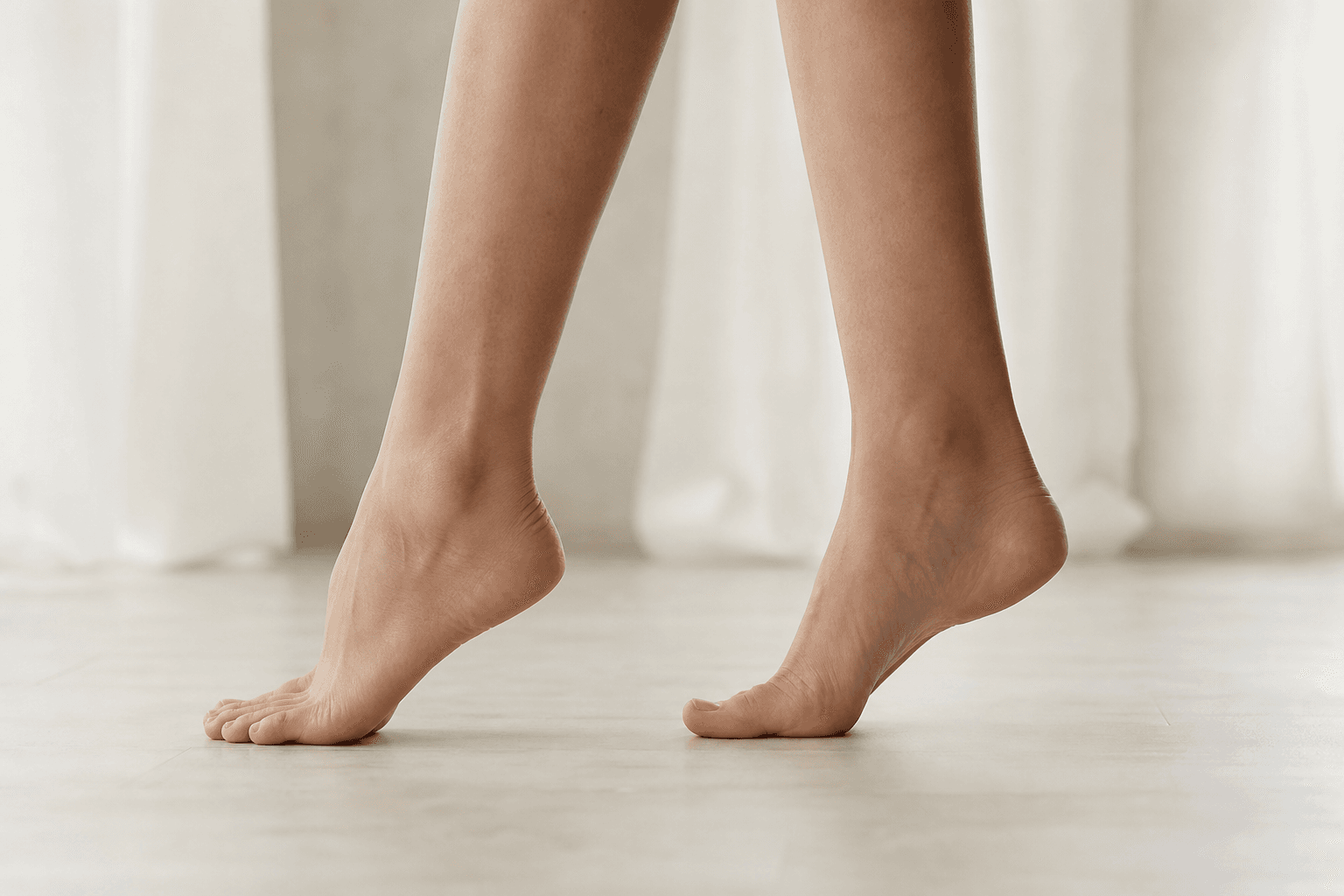
The honest answer is that a flexible flat foot rarely needs fixing, and an adult arch is unlikely to be permanently rebuilt by exercises or insoles. Many people with flat feet have no pain at all. Where there is aching, exercises, supportive shoes and insoles can ease symptoms and make long days more comfortable, even though the shape of the foot may not change.
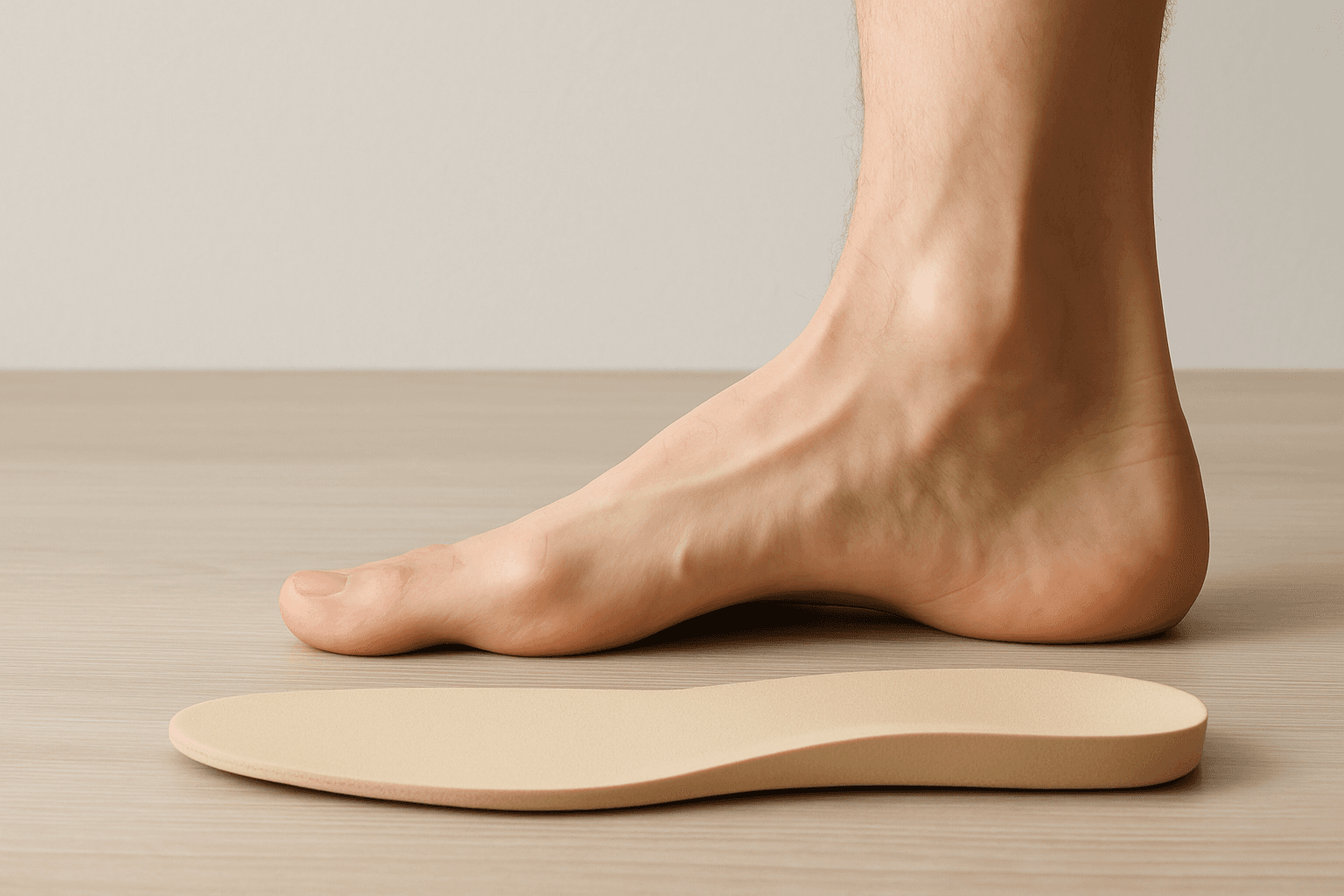
The first thing to know is whether your flat foot is flexible or rigid. Harvard Health describes a flexible flatfoot as one where the arch drops when you stand but returns when you lift the foot, and a rigid flatfoot as one where the arch is absent in every position, which is often linked to a structural problem in the foot's bones. A simple check is to rise onto your toes: if an arch appears, the foot is likely flexible.
This page is general information, not medical advice. New flattening, pain along the inner ankle, or a stiff flat foot should be examined by a clinician rather than managed with guesswork.
Flexible versus rigid flat feet
Flexible flat feet are common and often start in childhood. Rigid flat feet are less common and can be tied to joint or bone differences, arthritis or past injury. Harvard Health notes that surgery is generally a last resort for people with significant pain that has not responded to other care.
If your arch has flattened over time, or one foot has changed, that pattern deserves an assessment; our page on posterior tibial tendonitis explains one cause of painful, progressive flattening.
What exercises can and cannot do
Short-foot drills, where you draw the ball of the foot toward the heel without curling the toes, toe yoga, calf stretching and heel raises strengthen the muscles that help hold the arch. Consumer and clinical sources report people feel more stable and comfortable with a few weeks of practice.
Research on whether exercise changes arch height in adults is limited, so treat the goal as comfort and control rather than a new arch. A physical therapist can tailor a programme and check your technique.
A simple routine many therapists use is ten slow short-foot holds of five seconds each, followed by twenty heel raises and a minute of calf stretching against a wall, once a day. Do them barefoot on a firm surface, stop if anything hurts sharply, and give it several weeks before judging whether your feet feel steadier. Stronger intrinsic foot muscles and more flexible calves are realistic wins even if the arch looks the same in a photo.
Insoles and orthotics
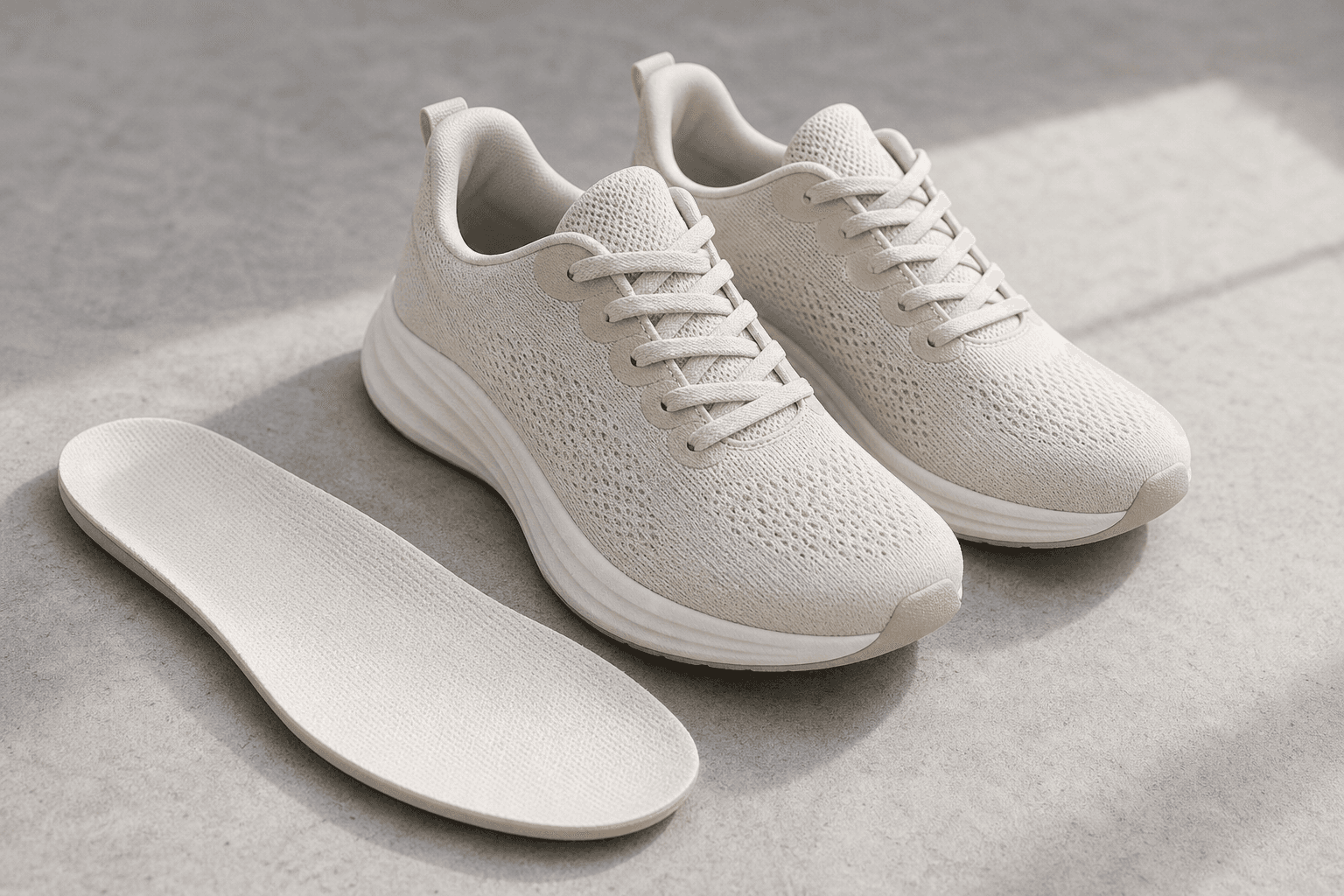
A 2021 review cited by GoodRx found evidence on orthotics for flat feet is limited, but many people still find a firm arch support makes their feet feel less tired. Off-the-shelf insoles are a reasonable low-cost first try; custom orthotics are generally reserved for persistent pain or complex mechanics. See insoles for flat feet and our comparison of orthotics vs insoles.
Ease into any insole over a week, and expect the first days to feel unusual. They support the foot, they do not cure the shape.
Shoes that make a difference
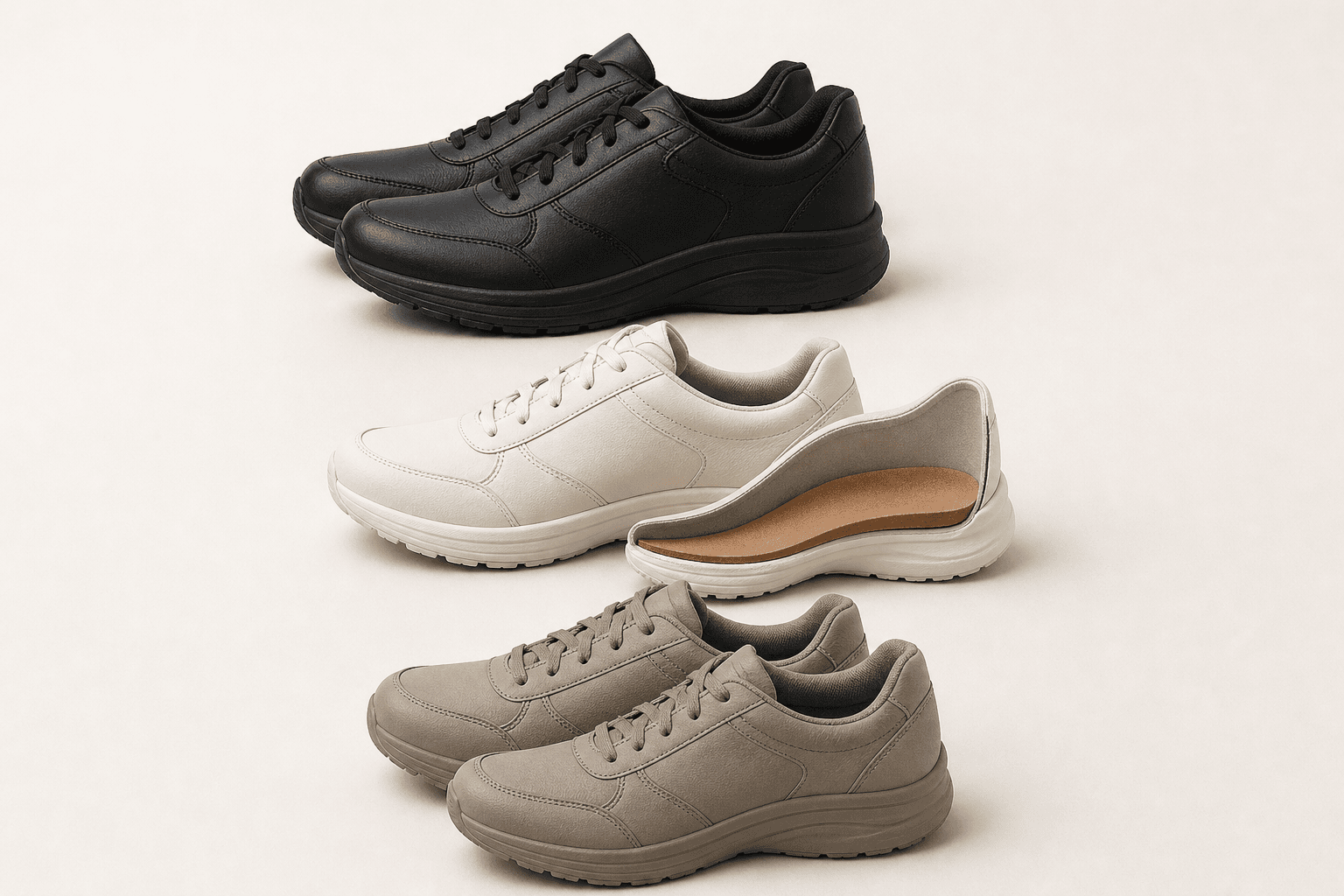
A shoe with a firm heel counter, a midsole that does not twist easily and enough room for the insole tends to feel better than flexible, flat-soled shoes. Runners can read our guide to running shoes for flat feet for how to choose without chasing myths. Going barefoot on hard floors all day is more tiring for most flat feet.
Daily habits that ease achy flat feet
Calf stretching, building up walking or standing time gradually, resting the feet between long shifts and keeping body load sensible all help. Ice or a warm soak after a long day is a comfort measure. For arch-specific aches see arch pain.
Weight is a factor for some people, because extra load increases the demand on the arch and the tendons that support it, so gradual, sensible changes to activity and diet may ease symptoms for those who want them. Footwear rotation helps too: alternating between two supportive pairs lets the cushioning recover and varies the pressure points on your feet. If you work on hard floors, small breaks to sit and stretch the calves and arches are worth more than they seem.
When to see a clinician
See a doctor or podiatrist if pain is persistent, if the inner ankle is swollen or tender, if the arch has recently collapsed, if the foot is stiff, or if you have diabetes or numbness. Children whose flat feet are painful or rigid should also be checked.
Nothing here claims to correct or cure flat feet; the aim is comfort and support.
Explore the insoles hub
How to choose support for your arch, your shoes and your day.
Explore the insoles hub →Frequently asked questions
Can flat feet be corrected without surgery?
A flexible flat foot can usually be made more comfortable with exercises, shoes and insoles, but the arch shape itself is unlikely to change permanently in adults. Surgery is generally considered only for significant, persistent pain.
Are flat feet a problem if they do not hurt?
Not usually. Many people have flat feet and never need treatment.
How do I know if mine are flexible?
Stand and rise onto your toes. If an arch appears, the foot is probably flexible. If it stays flat, ask a clinician to look.
Do arch exercises work?
They can improve strength and comfort, though evidence that they change arch height in adults is limited.
Do I need custom orthotics?
Often not at first. Many people try off-the-shelf insoles; custom orthotics are usually kept for persistent or complex problems.
HeelCups is reader-supported. When you buy through links on our site we may earn an affiliate commission, at no extra cost to you. This article is general information about foot comfort and is not medical advice — see our medical disclaimer.