PLANTAR WARTS
Plantar Warts: How to Tell Them From Corns, What Over-the-Counter Options Involve and When to See a Clinic
A wart on the sole can feel like a stone in your shoe. Here is how to recognise one, why patience matters with salicylic acid, and when a podiatrist or dermatologist is the better route.
A plantar wart is a small, rough growth on the sole of the foot caused by a common virus, human papillomavirus (HPV). Because we stand on it, the growth is pushed inward under a layer of thick skin, and it can feel like a pebble or a bruise with every step. The short answer on what helps: over-the-counter salicylic acid used daily for weeks, careful filing of the dead skin, protection from pressure, and a clinic visit if it is painful, spreading or not changing.
This page is about the skin of the foot, not the deep heel pain covered in our plantar fasciitis guides. The two can sit in the same spot, which is why people mix them up: a wart on the heel hurts when you pinch it from the sides, while plantar fasciitis hurts most with the first steps of the day.
Many warts clear by themselves over time, so there is rarely a rush. That said, nothing here is medical advice. If you cannot tell what the spot is, or you have diabetes or reduced feeling in your feet, see a doctor or podiatrist rather than treating it yourself.
How to recognise a plantar wart
Plantar warts usually appear on the pressure points of the sole: the heel and the ball of the foot. They look like a flat or slightly raised patch of thick, grainy skin, often with tiny dark dots that are small clotted blood vessels. The normal skin lines of the foot stop at the edge of the wart instead of running across it, which is a useful clue.
The classic test is the squeeze. A wart tends to hurt when you pinch it from the sides, while a corn or callus hurts more when pressed straight down. Warts can also appear in clusters, sometimes called mosaic warts. If the spot bleeds, changes colour, or does not show the features above, have a clinician look at it, because other skin conditions can resemble a wart.
What salicylic acid involves
Over-the-counter salicylic acid is generally described as the usual first step. Medical News Today notes that doctors often start with it, and the American Academy of Family Physicians has published a clinical review of wart treatment that describes salicylic acid as a common first-line option. The catch is time: patient guidance commonly describes daily use over many weeks, and a podiatry source puts it at roughly twelve to sixteen weeks for many adult plantar warts.
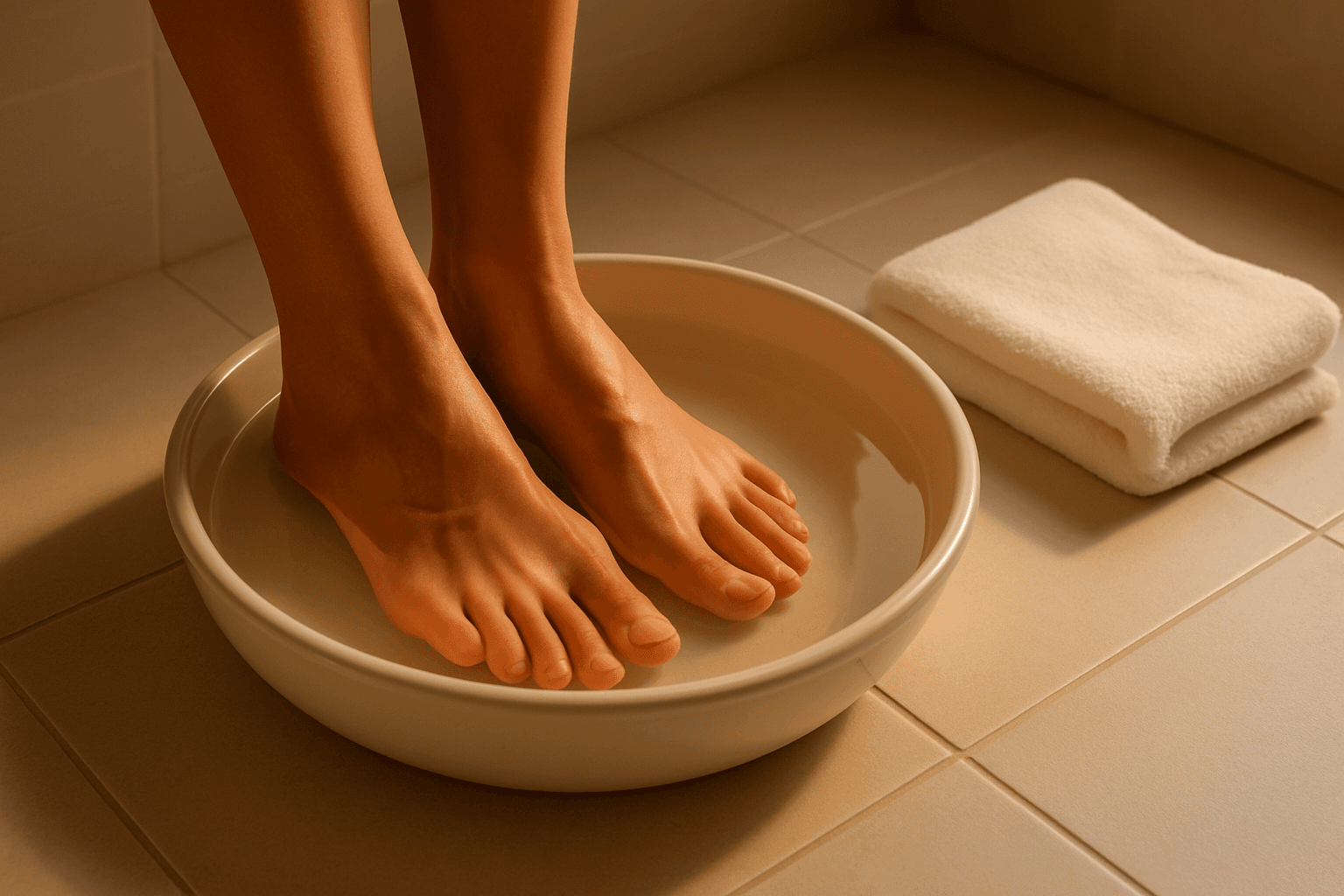
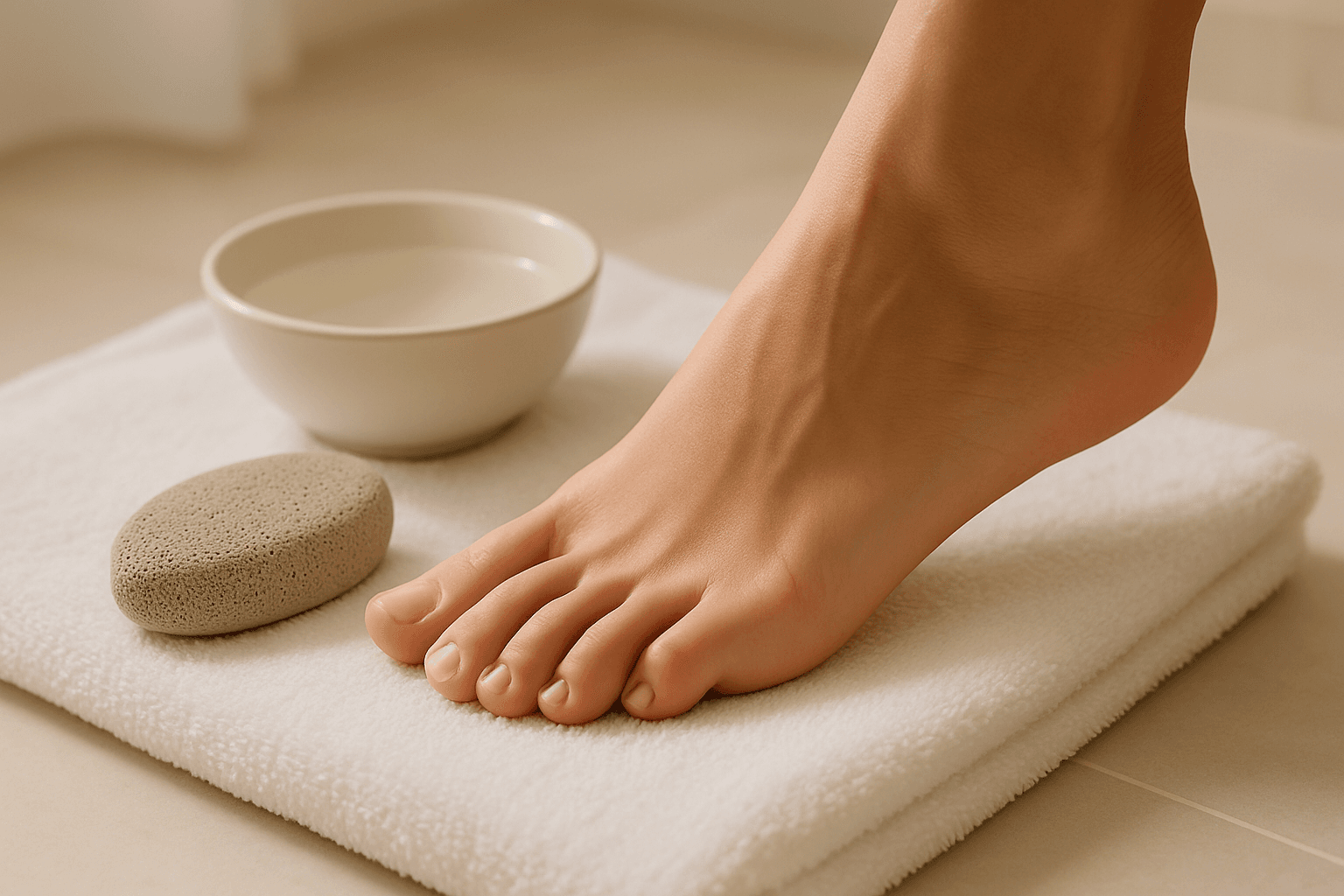
A typical routine goes like this. Soak the foot in warm water for a few minutes to soften the skin, gently file away the dead surface with a disposable emery board or pumice stone, apply the product only to the wart following the label, and cover it. Use a separate file for the wart and throw it away afterwards so you do not spread the virus to other skin. Stop and ask a clinician if the skin around the wart turns red, raw or very sore.
Salicylic acid is an acid, so it should stay off healthy skin where possible. Spreading petroleum jelly around the wart before applying it is a common tip on product leaflets.
Clinic options
If home care has not changed anything after the time on the label, a clinician can offer other approaches, including freezing (cryotherapy), stronger prescription acids and other in-office procedures. Reviews summarised by Healthline suggest freezing performs about as well as salicylic acid in studies, and many clinicians combine methods. Freezing in a clinic can be uncomfortable on the sole, so it is worth asking what to expect.
Do not cut, burn or dig at a wart yourself. The sole is a high-pressure area, and a break in the skin can become sore or infected, and can also spread the virus.
Taking the pressure off while it clears
Because the wart sits where you push off, relief often comes from redistributing the load. A donut-shaped adhesive pad around the wart, or a soft cushioning insole, can ease the pressure. Our guide on how to use heel cups explains fit and placement if the wart is on the heel; a heel cup cushions the area, though it does nothing to the virus itself.
Supportive, cushioned shoes make a difference too, and changing socks when they get damp helps keep the skin comfortable. If a limp develops, that is your cue to book a visit, because changing how you walk can bring on knee, hip or heel complaints of its own.
Not spreading it around
The virus thrives in warm, damp places and enters through tiny breaks in the skin. Wear sandals in gym showers, locker rooms and around pools. Do not share towels, socks or shoes, wash your hands after touching the wart, and keep it covered. Wash socks and towels in hot water.
Walking barefoot at home is fine for most people, but if others in the household have warts, slippers or house shoes keep the floor from becoming a route of spread. Our slippers guide covers what to look for if your heels also dislike bare floors.
Who should skip home treatment
People with diabetes, poor circulation, numbness in the feet or a weakened immune system should see a clinician before using acids on a wart, because small skin injuries can become larger problems. The same goes for anyone who is unsure of the diagnosis, for warts that bleed or multiply, and for children whose warts are painful. Our page on heel pain and diabetes explains why a daily foot check matters here.
More foot care guides
Skin, nails, socks and everything below the ankle that is not heel pain, on the foot care hub.
More foot care guides →Frequently asked questions
How do I tell a plantar wart from a corn?
A wart often shows tiny dark dots, interrupts the normal skin lines and hurts when pinched from the sides. A corn tends to hurt when pressed straight down and has a smooth, hard core. A clinician can tell for sure.
How long does salicylic acid take on a plantar wart?
Commonly many weeks of daily use. One podiatry source suggests about twelve to sixteen weeks for many adults. Follow the product label and check in with a clinician if nothing changes.
Do plantar warts go away on their own?
Many do over months to a couple of years, according to Medical News Today, but waiting can be uncomfortable and the wart can spread, so many people choose to treat it.
Can I cut a plantar wart out myself?
No. Cutting or burning at home risks infection and spreading the virus. Filing the dead surface skin as part of a salicylic acid routine is different and is described on product labels.
Is a wart on the heel the same as a heel spur?
No. A wart is a skin growth caused by a virus. A heel spur is a bony growth under the heel bone. Our heel spur pages explain the difference.
When should I see a doctor?
See a doctor or podiatrist if the spot is very painful, bleeding, spreading, changing colour, or unchanged after weeks of treatment, or if you have diabetes, poor circulation or a weakened immune system. Persistent foot pain should always be checked.
HeelCups is reader-supported. When you buy through links on our site we may earn an affiliate commission, at no extra cost to you. This article is general information about foot comfort and is not medical advice — see our medical disclaimer.