SURGERY
Heel Spur Surgery: When It Comes Up, What It Involves and What Recovery Looks Like
Most people with a heel spur never need an operation. Here is when surgery is discussed, what the main procedures are and what to ask first.
Heel spur surgery is a last-resort option. Most heel spurs cause no pain, and when a painful heel has a spur on the X-ray, the pain usually comes from the soft tissue around it, typically the plantar fascia. That tissue tends to respond to months of non-surgical care. Surgery is generally discussed only after a long, honest trial of that care has not given enough relief.
Sources describe the waiting period differently. Healthline and Medical News Today say surgery is considered after about twelve months of non-surgical care, while some clinics describe six to eight months. The point is that surgeons expect you to have tried the basics thoroughly first.
This page explains the common procedures, who might be a candidate, what recovery involves and what to ask. It is general information, not medical advice. A foot and ankle surgeon is the right person to decide about an operation.
Why the spur itself is rarely the target
A heel spur is a small bony outgrowth that appears on X-ray in many people with no symptoms at all. Pain in the heel is much more often a soft-tissue problem, so removing a bump of bone does not necessarily remove the source of the pain. For that reason surgeons often address the plantar fascia as well as, or instead of, the spur. Our bone spur on the heel page explains the distinction.
Before anyone talks about an operation, the diagnosis should be clear. Other causes of heel pain, such as nerve entrapment or a stress fracture, behave differently and are not helped by spur surgery.
What to try before surgery is on the table
A thorough non-surgical trial typically includes daily calf and plantar fascia stretching, supportive footwear, a cushioned insole with arch support and a deep heel cup, activity changes, ice or anti-inflammatory medication if your clinician agrees, and often physical therapy. Many clinicians add a night splint, taping or a course of shockwave therapy; our heel spur treatment guide lays out this ladder in order.
A corticosteroid injection may be offered for stubborn pain, with known downsides, which our page on cortisone shots for plantar fasciitis covers. The key is consistency: stretches done most days for months, in shoes that actually support the foot, tell you far more than a patchwork of short attempts.
The main procedures
Two operations are usually described. Plantar fascia release, also called plantar fasciotomy, partially cuts the fascia where it attaches to the heel to reduce tension; it can be done through a small open incision or endoscopically. Spur removal takes out the bony outgrowth, usually together with a fascia release. Some surgeons also release a trapped nerve branch if that is contributing to the pain.
Which approach suits you depends on your anatomy, imaging and the surgeon's experience. Ask what the surgeon expects to cut or remove and why, and how many of these procedures they perform each year.
Recovery: what sources report
Recovery estimates vary. Healthline reports that recovery from a plantar fascia release can take up to about six weeks and from spur removal up to about three months, while Medical News Today says people can often bear weight within two to three weeks and recover over about two months. Your own timeline will depend on the procedure and your job.
Expect a period in a protective boot or surgical shoe, swelling that fades over weeks, a staged return to normal shoes and often a short course of physical therapy. Plan time off if you are on your feet all day.
Risks and trade-offs to ask about
As with any operation, risks include infection, nerve irritation or numbness, wound problems and the possibility that pain persists. Releasing the plantar fascia can change how the foot carries load, and surgeons discuss the chance of arch changes or pain elsewhere in the foot. Ask what outcomes look like for people in your situation, and what the plan is if the pain is not better.
A second opinion is reasonable before elective foot surgery. Bring a record of what you have tried and for how long.
What you can do in the meantime
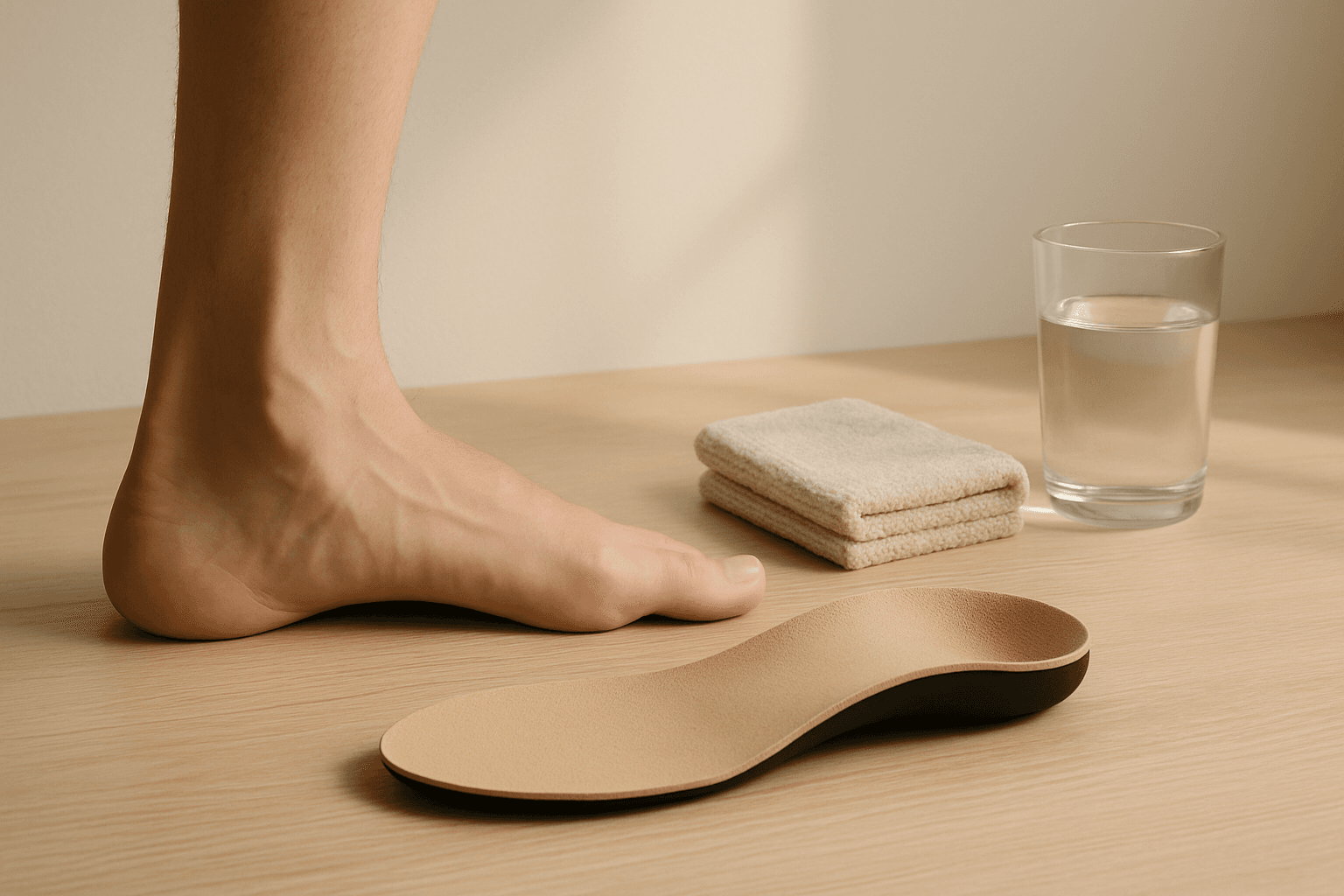
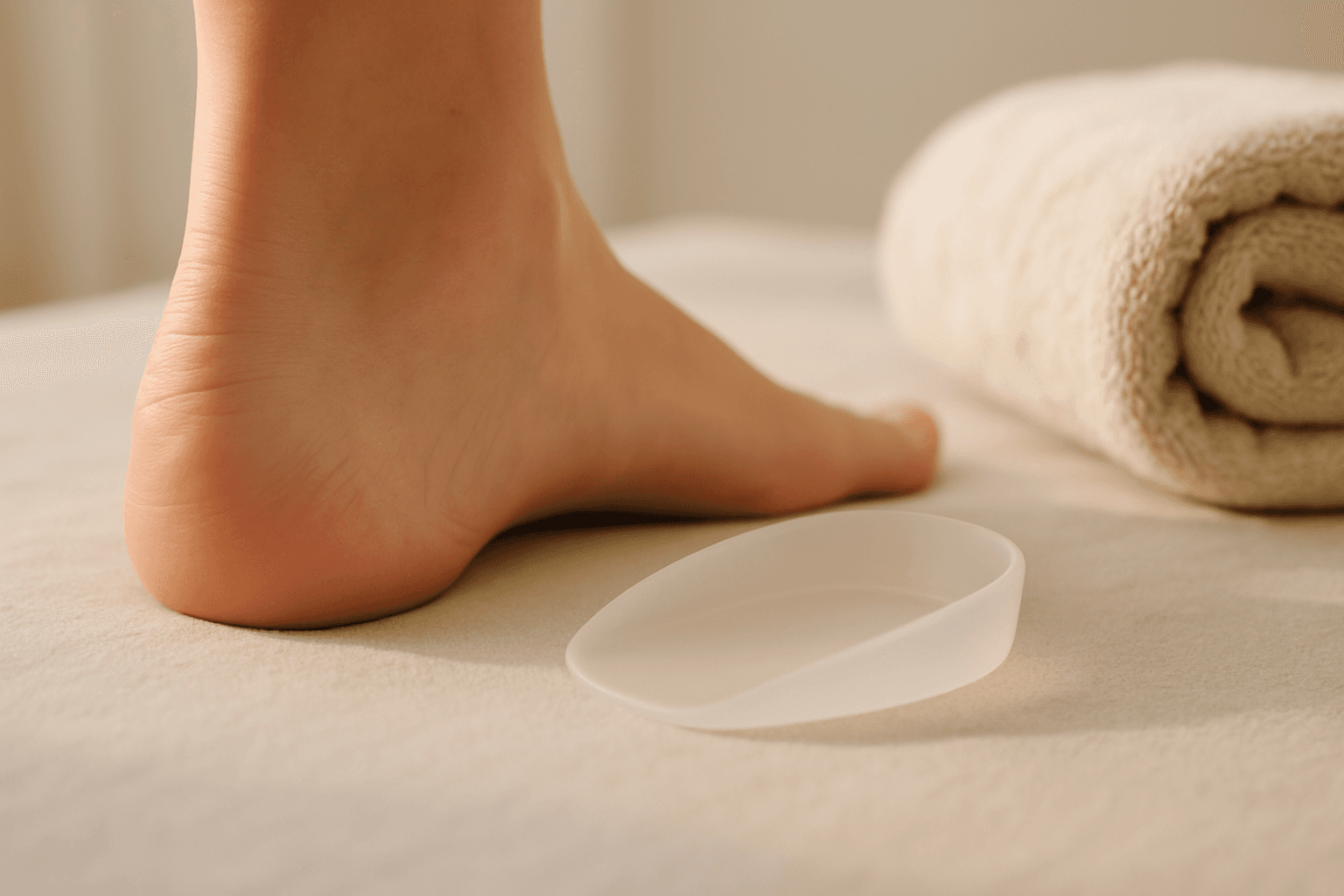
Keep support in place while you decide. A trim-to-fit insole with a firm arch and a cushioned heel cup, such as the one in our Akusoli insoles review, helps take load off the heel in the shoes you wear most. These are comfort and support tools, not a substitute for a surgeon's advice.
Compare the surgical conversation with the full plantar fasciitis surgery overview, since many of the same procedures and recovery points apply. If you have heel pain that has lasted months despite thorough care, see a podiatrist or orthopedic foot specialist.
Keep the heel supported while you decide
A trim-to-fit insole with a firm arch and a deep heel cup for the shoes you wear every day.
Keep the heel supported while you decide →Frequently asked questions
Is heel spur surgery common?
No. Most heel spurs cause no pain and most painful heels improve with non-surgical care. Surgery is usually reserved for people with persistent pain after many months of thorough conservative care.
How long should I try other options before considering surgery?
Sources vary from roughly six months to about a year of consistent non-surgical care. Your clinician will help judge when you have had an adequate trial.
Does removing the spur remove the pain?
Not always, because the pain often comes from the plantar fascia and surrounding tissue rather than the bone itself. Many procedures include a fascia release for that reason.
How long is recovery after heel spur surgery?
Published estimates range from a few weeks to about three months depending on the procedure. Ask your surgeon about weight-bearing, boot time and return to work.
What are the risks?
Infection, nerve irritation, ongoing pain and changes in how the foot bears load are the main ones discussed. Your surgeon can explain the odds for your case.
HeelCups is reader-supported. When you buy through links on our site we may earn an affiliate commission, at no extra cost to you. This article is general information about foot comfort and is not medical advice — see our medical disclaimer.