SURGERY
Plantar Fasciitis Surgery: When It Comes Up and What to Actually Expect
Surgery is the last stop on the plantar fasciitis ladder, not a first move. Here is who it is genuinely for, what the two most common procedures do, the recovery timeline, and the questions worth asking before you decide.
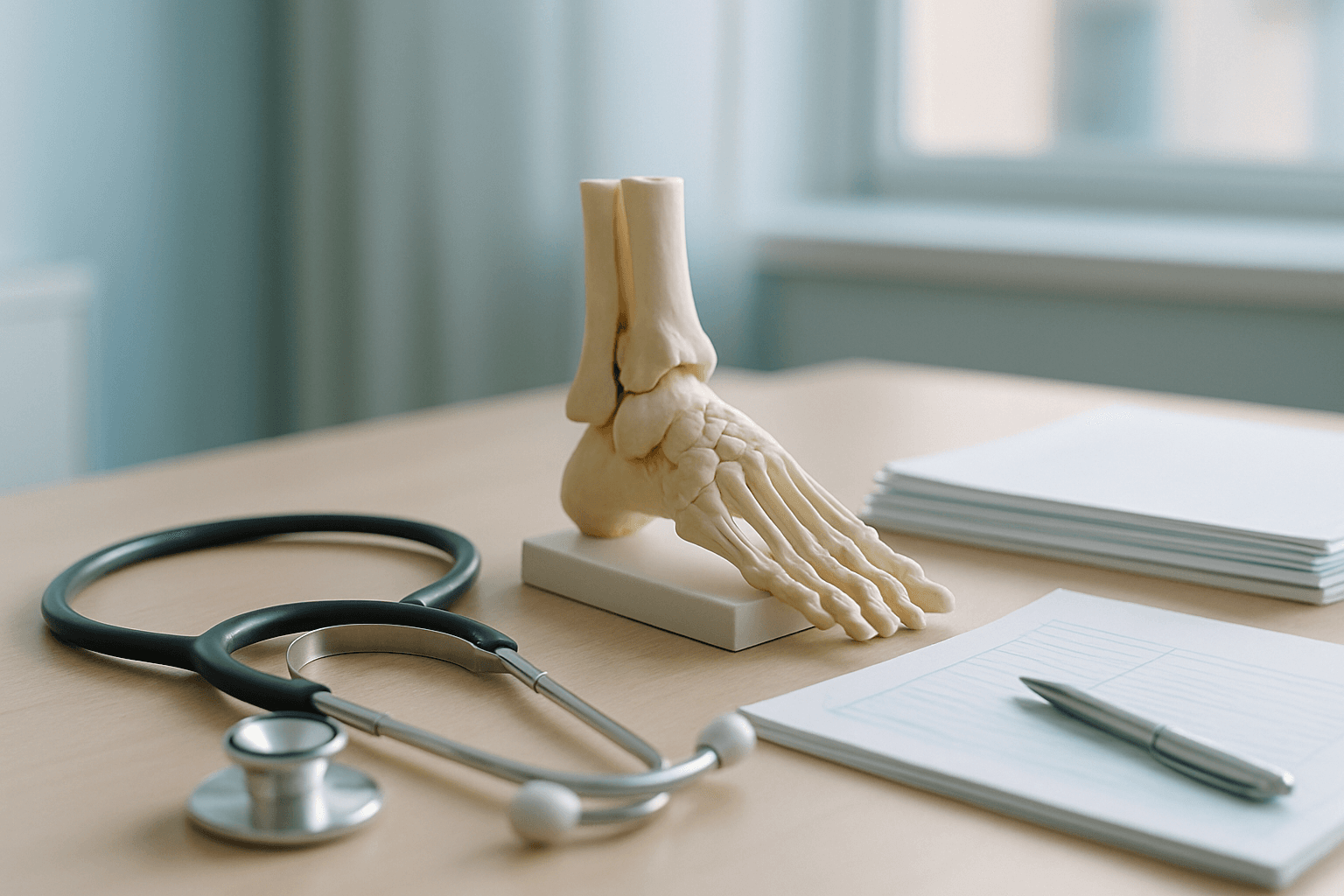
Plantar fasciitis surgery is uncommon, and it is uncommon for a reason. The great majority of cases settle with six to twelve months of honest conservative care — a supportive insole in every shoe worn all day, a short daily calf and fascia stretch, less time barefoot on hard floors, sometimes a night splint, a course of physical therapy, or a single corticosteroid injection. Only a small minority of people never respond to that ladder and end up on the surgical side of it. If your pain has been moving in the last three months, or you have not yet given the full routine a real six-month run, the honest answer is almost always that you do not need surgery yet.
When surgery does come onto the table, it is usually one of two procedures. Plantar fasciotomy — a partial cut of the plantar fascia at its heel attachment — releases the chronic tension the fascia has been carrying. Gastrocnemius recession — a small lengthening of the calf muscle above the knee — unloads the whole heel from above by giving the calf-Achilles-fascia complex more length to work with. Both are day-surgery operations, both have decades of clinical outcomes behind them, and both come with real trade-offs a foot-and-ankle surgeon will walk you through.
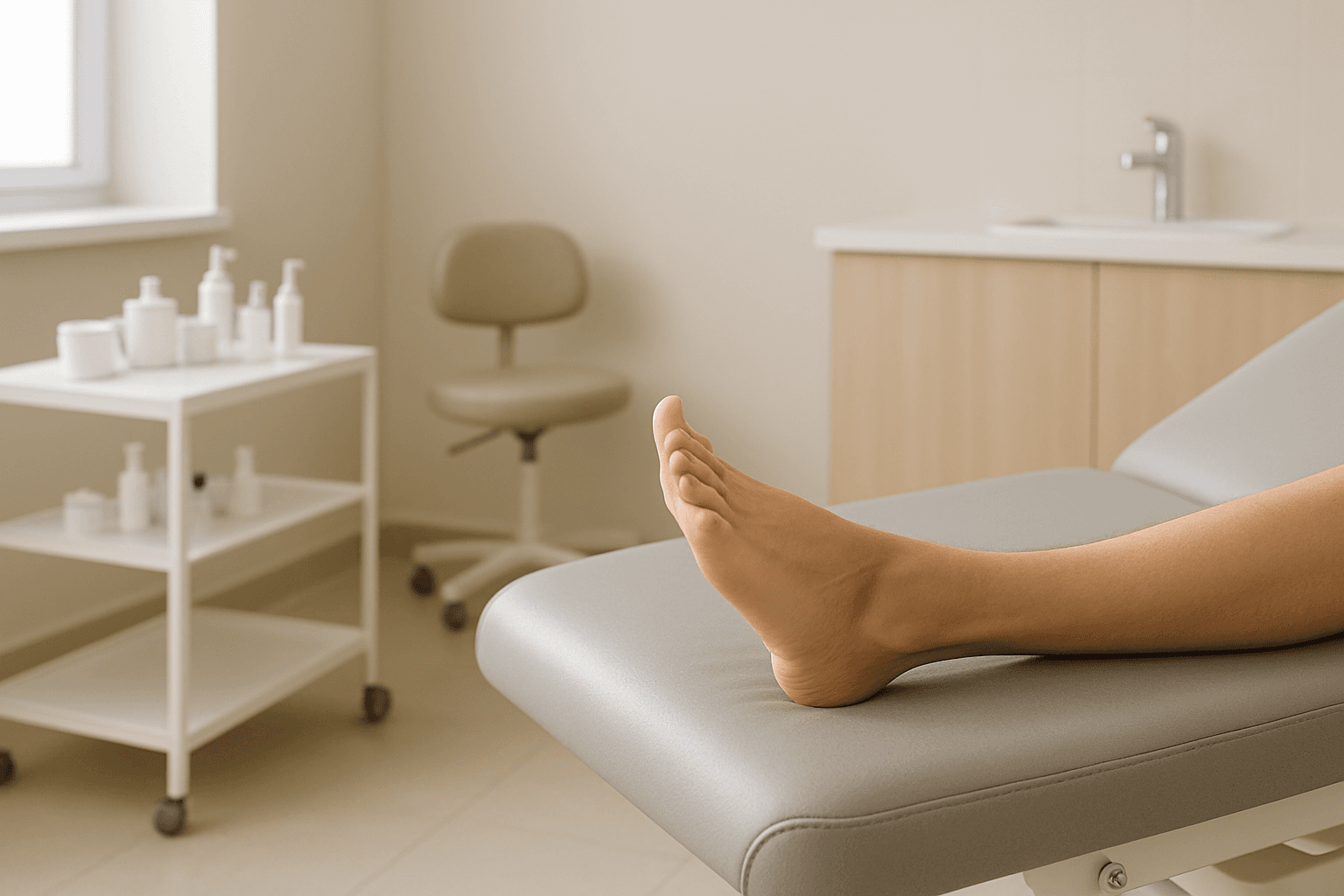
This page is the plain-English version of what a surgical consultation covers: when the operation is genuinely on the table, what each procedure actually does at the tissue level, the recovery timeline most people experience, and the questions worth asking before you decide. Nothing here is medical advice. Persistent heel pain deserves an in-person exam by a doctor or podiatrist, and every recommendation on this hub is written for comfort, support and relief.
When surgery is actually on the table
The most important criterion is time and the honesty of the conservative-care ladder that came before. Foot-and-ankle surgeons broadly want to see six to twelve months of documented conservative care that has not moved the pain: a supportive insole worn every day in every shoe, a real stretching routine done twice a day, a course of physical therapy, an activity cut that actually reduced the load on the fascia, and often a night splint or a corticosteroid injection along the way. Two weeks of a drugstore insole and a couple of tries at a wall stretch is not that ladder. If you have not been on the full routine for six months of honest daily practice, the surgical answer is almost always "not yet."
The second criterion is a clear structural picture on imaging that lines up with the pain. Ultrasound and MRI both show a thickened, damaged fascia at its heel attachment in chronic plantar fasciopathy; a normal-thickness fascia with a lot of pain is a hint that the pain generator is somewhere else and surgery on the fascia will not help. Nerve entrapments (Baxter's nerve, tarsal tunnel), calcaneal stress fractures, systemic inflammatory conditions and referred pain from higher up all mimic plantar fasciitis and are easy to miss without a careful workup. A good surgeon rules them out before scheduling anything.
The third is functional impact. Pain that has stopped you working, exercising or sleeping is different from pain that is annoying but manageable. Surgery carries real risk, and the calculation makes sense when the chronic pain is doing more damage to your life than the operation and its recovery would. A surgeon will ask what your day looks like, what you have already given up, and what winning would look like.
Plantar fasciotomy: what the procedure does
Plantar fasciotomy is a partial cut of the plantar fascia at its heel attachment, releasing the chronic tension the fascia has been carrying for years. Surgeons come at it two ways. The endoscopic version uses two small incisions on the medial and lateral sides of the heel and a small camera to visualize and cut the medial one-third to one-half of the fascia; it takes 20 to 45 minutes under regional or general anesthesia and leaves scars a couple of centimeters long. The open version uses a longer medial incision, gives the surgeon a direct view of the fascia and any spur that needs to come off, and is often chosen when the picture on imaging is complicated. Which version you get is a decision your surgeon walks you through based on the imaging, your anatomy and their own case volume.
The trade-offs of a fasciotomy come from what the fascia was doing in the first place. The fascia supports the arch during push-off, so cutting part of it can slightly lower the arch and change how force spreads across the mid-foot. Surgeons cap the cut at the medial one-third to one-half specifically to limit that risk; a complete transection of the fascia is off the table for exactly this reason. Even so, some people develop lateral column overload — a new soreness on the outer side of the foot — that requires further support in the shoe afterwards. The upside for well-selected patients is a meaningful drop in the chronic heel pain that had not responded to the full conservative ladder.
Gastrocnemius recession: the calf-side alternative
Gastrocnemius recession approaches the same problem from above. A tight calf pulls up on the heel bone through the Achilles, which pretensions the fascia on the other side of the heel; every step then loads the fascia further than it should be loaded. A recession is a small controlled release of the gastrocnemius aponeurosis — the tough sheet of tissue that connects the gastrocnemius muscle to the Achilles — through a short incision behind the calf. The muscle-tendon complex effectively gains a little length, ankle dorsiflexion improves, and the tension the fascia was fighting eases.
The classic candidate is someone whose ankle cannot dorsiflex past neutral with the knee straight — the so-called "cannot get the heel down" finding — because the tight gastrocnemius is a demonstrable driver of their fascia's overload. Recovery from the recession itself tends to be quicker than from a fasciotomy because the operation is not on the sore heel and weightbearing in a boot starts sooner, but the calf strength that comes back over the following months is what tells the story of a good outcome. The trade-off is a small, usually temporary loss of push-off strength while the muscle-tendon complex adapts to its new length.
Some surgeons combine a recession with a fasciotomy in the same session for someone who has both a tight calf and a chronically thickened fascia. Others sequence them, doing the recession first and watching for six to twelve weeks to see how much of the pain the calf lengthening alone was carrying. There is no single right sequence; it comes down to your imaging, your exam and the surgeon's experience.
Recovery: what a realistic timeline looks like
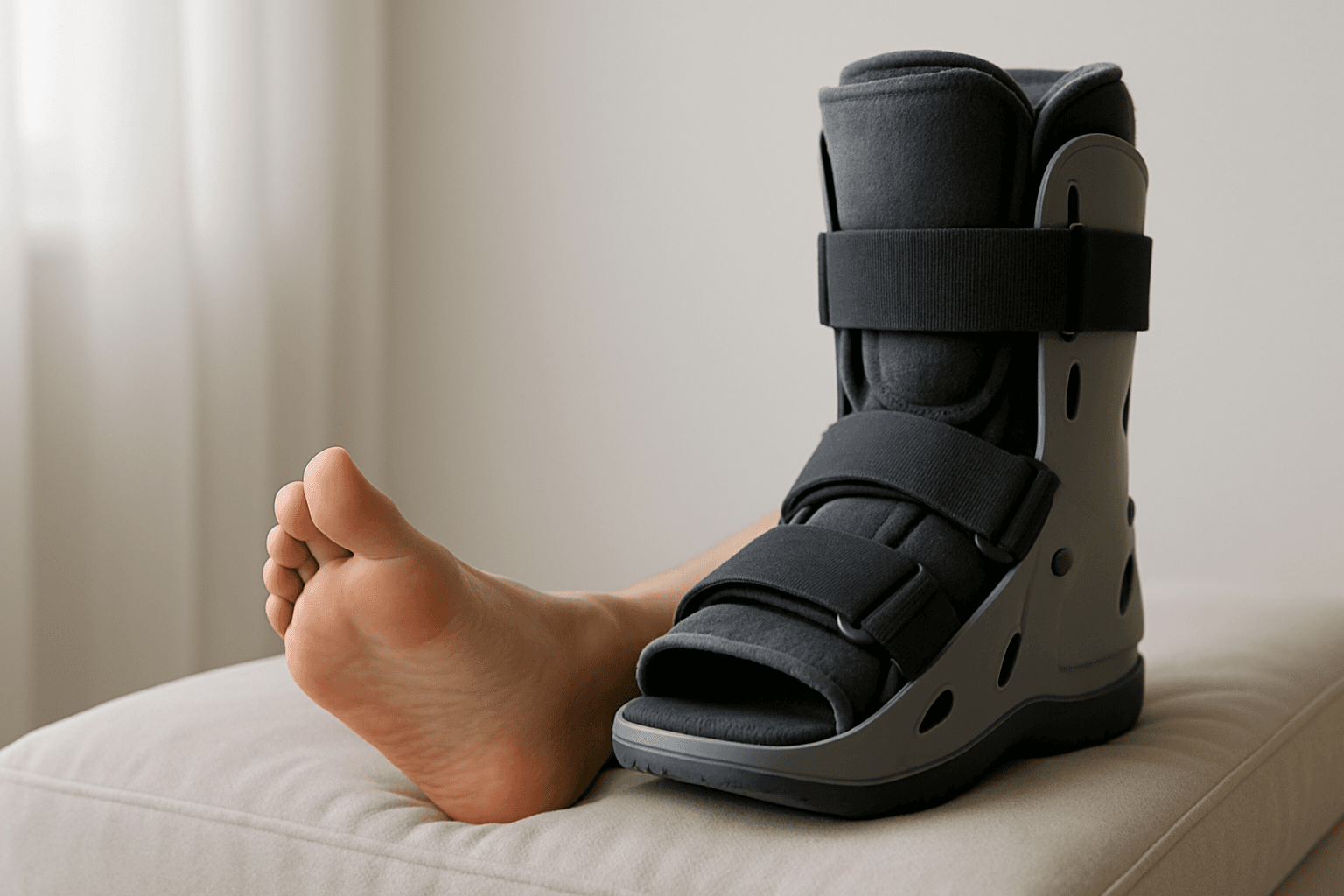
Days one to seven are the acute recovery. You are in a boot or a rigid post-op shoe with limited or protected weightbearing, elevating the foot most of the day, icing per instructions, and taking pain medication as prescribed. Wound care matters — the sutures and any dressings need to stay clean and dry, so a shower cover is a purchase worth making before the operation. Most people are off work for one to two weeks depending on the job, and desk work is often manageable earlier than a job on your feet.
Weeks two to six are the transition. Weightbearing gradually increases in the boot as the tissue heals; physical therapy typically starts around week two or three with gentle range-of-motion work, gait training and light strengthening. The boot comes off in favor of a supportive shoe with an insole somewhere in the four-to-six-week range, though the exact timing depends on the procedure and your surgeon's protocol. This is the window where most people notice the pre-surgical pain has meaningfully quieted; it can feel dramatic after months or years of the same flare.
Weeks six to twelve are the strengthening phase. PT progresses to controlled loading — heel raises, single-leg balance, eventually low-impact aerobic work like stationary cycling — while you continue to wear a supportive insole in every shoe all day. Full return to running, long shifts on concrete, or long hikes is usually a three-to-six-month horizon, not a six-week one. Rushing that horizon is the most common reason people report a slower or incomplete recovery.
Complications are real and worth knowing about: infection, nerve irritation (the medial calcaneal branch of the tibial nerve runs near the fasciotomy site and is the usual suspect), incomplete pain relief, lateral column overload after a fasciotomy, arch collapse in the rare case of an over-generous cut, wound healing problems especially in smokers or people with diabetes, and deep vein thrombosis during the boot phase. Rates for each are small but not zero. Your surgeon will quote you their own complication numbers, which is a question worth asking directly.
The rungs of the ladder between honest home care and surgery
Between the full daily routine and the operating room sit several options that many people have not fully explored. A corticosteroid injection into the fascia can settle a stubborn soft-tissue flare for weeks to months; the trade-offs are a small risk of fat pad atrophy and a rarer risk of fascia rupture, and clinicians generally limit total injections. Platelet-rich plasma (PRP) has mixed evidence but real interest in chronic cases. Extracorporeal shockwave therapy has decent evidence for chronic plantar fasciopathy and is worth asking about — it is non-invasive and can genuinely quiet a case that has not responded to home care alone.
A well-fitted night splint sometimes moves the needle for people whose morning pain has never budged; a boot-style rigid splint is more effective than the soft dorsal versions for stubborn cases, though it is bulkier at night. Formal physical therapy with a therapist who runs a real plantar fasciitis progression — not just a handout of stretches — is another rung worth trying if you have never actually been through it. All of these belong on the ladder between the plantar fasciitis stretches routine and any surgical consultation.
And underneath all of it, a supportive insole with a firm arch and a deep heel cup in every shoe worn all day is the piece that turns any of these other rungs into a routine that actually works. Our first-pick pair is in the Akusoli insoles review; a full insole in a work shoe worn twelve hours a day does more for the fascia than any splint or gadget can do for the twelve minutes at a time it is worn.
Questions worth asking at the consultation
How many of these procedures have you done in the past year, and what have your patients' outcomes looked like at six months and two years? What are your own complication rates? Which procedure are you recommending for me, and why over the other? What does the imaging actually show? Have we ruled out nerve entrapment (Baxter's nerve, tarsal tunnel) and calcaneal stress reaction? Is a course of shockwave or PRP a fair try first? What is my pre-operative plan for the next six to twelve weeks — is there rehab or optimization I should do before the operation to improve my recovery? What is the realistic return-to-full-activity timeline for someone in my job? A good surgeon has answers to all of these and welcomes them being asked.
A second opinion is reasonable for elective foot-and-ankle surgery, and few surgeons take it personally. If the answers to the questions above are vague, or if the plan skips over rungs of the ladder you have not tried, another set of eyes is worth the visit. Persistent heel pain has waited for months; another two weeks for a second opinion will not change the outcome.
The insole that makes the full conservative ladder actually work
A trim-to-fit insole with a firm arch and a deep heel cup — the piece that turns stretching, activity changes and a night splint into a routine that has a real chance of avoiding surgery.
The insole that makes the full conservative ladder actually work →Frequently asked questions
How long should I try conservative care before considering plantar fasciitis surgery?
Six to twelve months of honest daily practice: a supportive insole in every shoe worn all day, a real stretching routine morning and night, less time barefoot on hard floors, a temporary cut in whatever activity tipped the tissue over, and usually a course of physical therapy along the way. Most surgeons want to see documented conservative care over that window, plus at least a night splint, an injection or extracorporeal shockwave therapy attempted, before the operation is on the table.
Is plantar fasciitis surgery a cure?
It is not sold that way, and it should not be thought about that way. Both plantar fasciotomy and gastrocnemius recession aim to release the chronic tension driving the fascia's inflammation so the soft tissue can calm down. Well-selected patients often see a meaningful drop in pain and a real return to activity, but outcomes vary, complications are real, and post-operative use of a supportive insole and a stretching routine is still the norm. Persistent post-operative pain is uncommon but does happen, and a foot-and-ankle surgeon is the right person to walk you through the odds for your specific case.
What is the difference between plantar fasciotomy and gastrocnemius recession?
A fasciotomy cuts part of the plantar fascia at the heel to release chronic tension there directly; a gastrocnemius recession lengthens a small band of the calf muscle above the knee so the whole calf-Achilles-fascia complex has less pretension. They address the same overloaded fascia from different ends. Surgeons choose based on your imaging, your ankle dorsiflexion on exam and their own experience; some people are candidates for a combined procedure that does both in one session.
How long will I be off work after plantar fasciitis surgery?
One to two weeks for a desk job in most cases, and four to eight weeks for a job on your feet, though the specifics depend on the procedure, your surgeon's protocol and how well the recovery is going. Full return to running or long shifts on concrete is a three-to-six-month horizon rather than a six-week one. Discuss the realistic timeline for your job before scheduling; the boot phase in particular can be limiting for driving, tools and stairs.
What are the main risks of plantar fasciitis surgery?
Infection, nerve irritation (especially the medial calcaneal branch of the tibial nerve near a fasciotomy incision), incomplete pain relief, lateral column overload after a fasciotomy from the fascia's changed load pattern, arch collapse in the rare case of an over-generous cut, wound healing problems (higher in smokers and people with diabetes), and deep vein thrombosis during the boot phase. Rates for each are small but not zero, and a good surgeon will quote you their own numbers when asked.
Are there non-surgical alternatives I should try first?
Yes, several. Extracorporeal shockwave therapy has decent evidence for chronic plantar fasciopathy and is non-invasive. A single corticosteroid injection can settle a stubborn flare for weeks to months. A boot-style night splint sometimes moves stubborn morning pain that a soft splint would not. Platelet-rich plasma (PRP) is another option with mixed but real evidence. Underneath all of these, a supportive insole in every shoe worn all day and a real stretching and exercise routine — see our plantar fasciitis exercises page — do more than most gadgets combined.
HeelCups is reader-supported. When you buy through links on our site we may earn an affiliate commission, at no extra cost to you. This article is general information about foot comfort and is not medical advice — see our medical disclaimer.