TOP OF FOOT
Pain on Top of the Foot: Causes, Lacing Fixes and When to Get It Checked
An ache across the top of the foot is often tied to tight laces or overuse. Here is how to sort the common causes and what usually eases it.
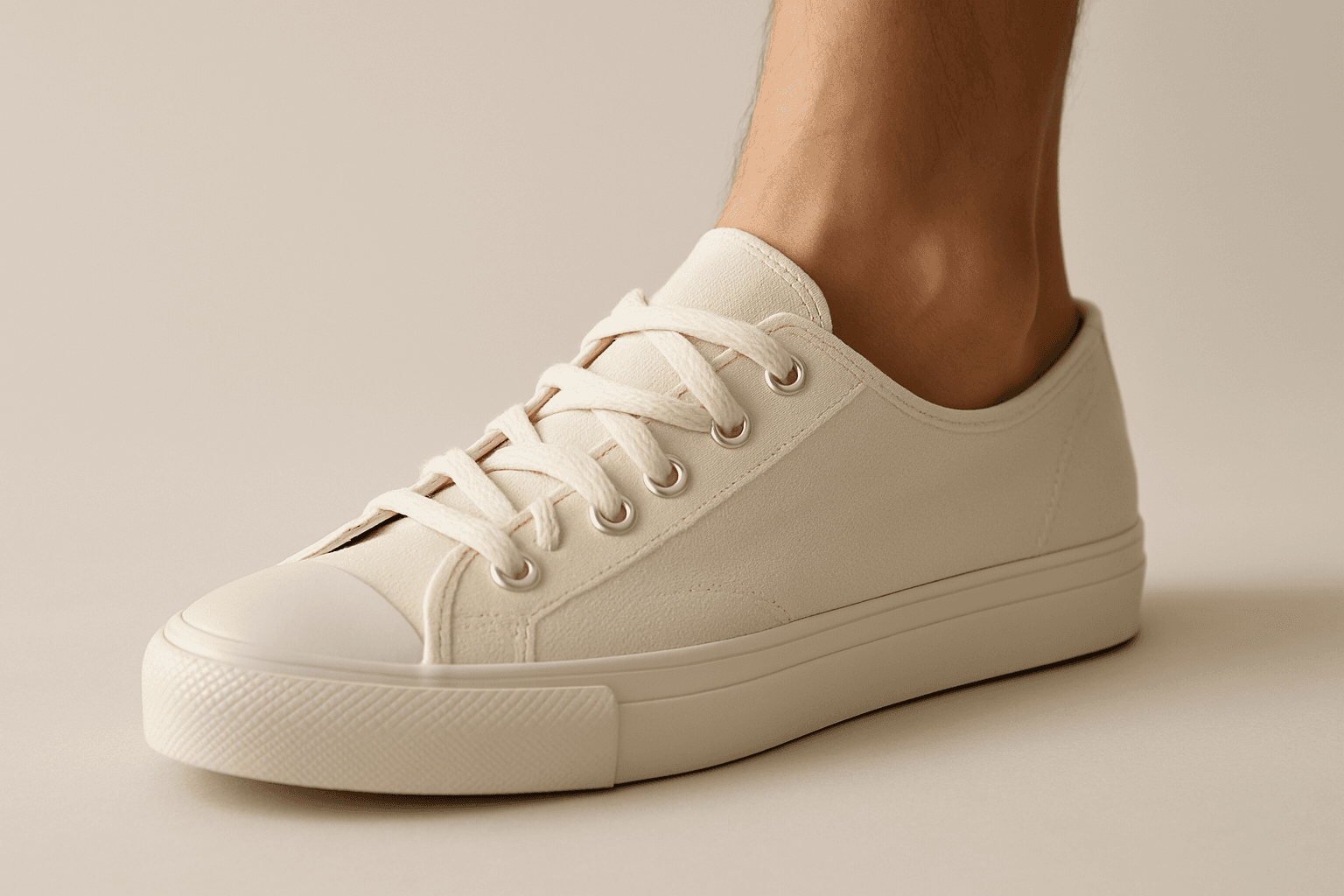
Pain on the top of the foot is most often a pressure or overuse problem: laces that are too tight, a stiff shoe tongue, or a sudden jump in walking or running that irritates the tendons that lift your toes. These extensor tendons run just under the skin over the middle of the foot, so they have little padding and react quickly to squeeze and friction.
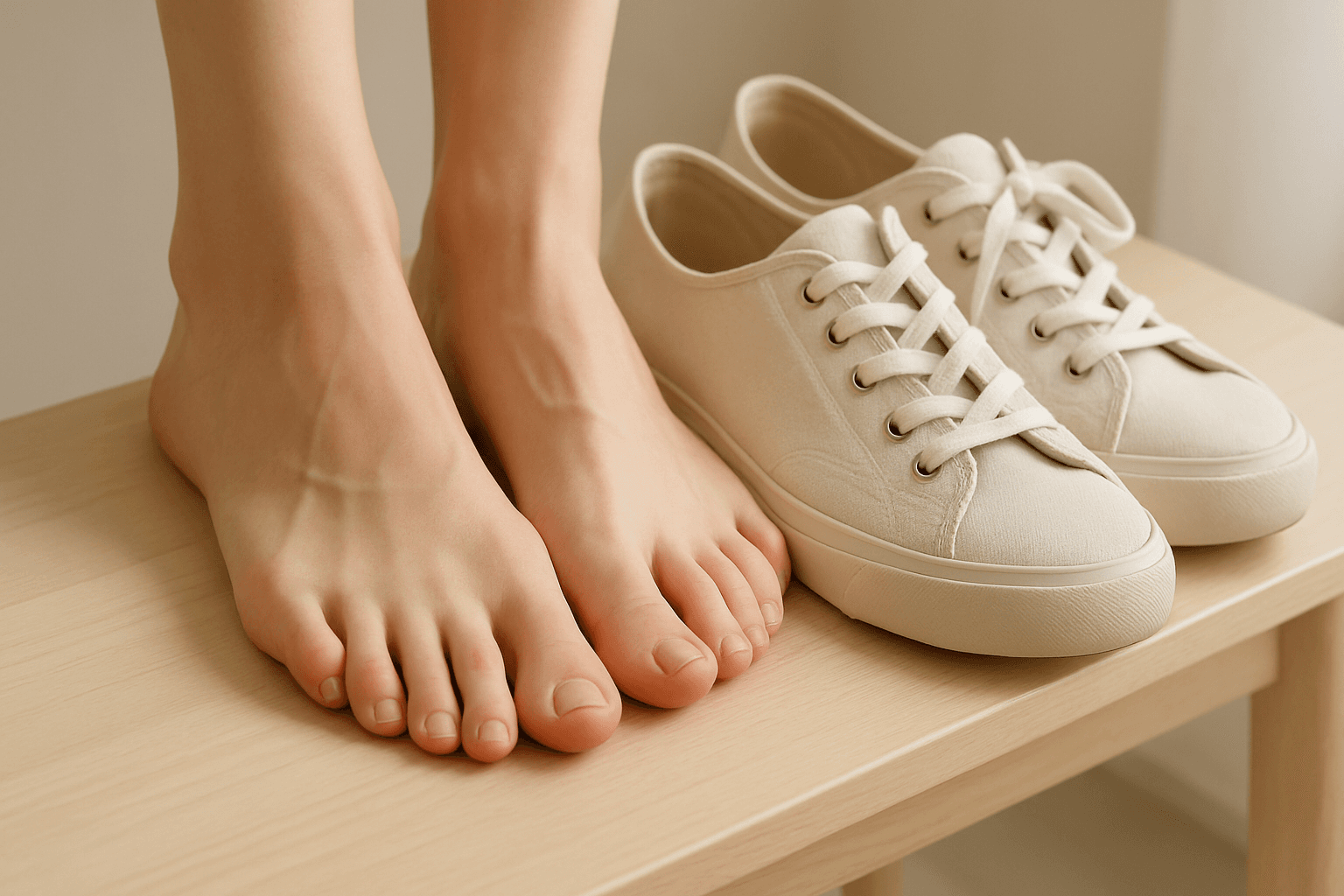
The quickest things to try are free: loosen or re-lace the shoe so nothing presses on the sore spot, rest from the activity that set it off, and switch to shoes with a roomier fit. These steps are about comfort and easing irritation while the area settles.
Top-of-foot pain can also come from a stress fracture, a joint problem or a nerve issue, so the sections below cover the signs that mean it is time for an exam by a doctor or podiatrist rather than more home care.
The most common cause: pressure and overuse
Extensor tendonitis is irritation of the tendons on top of the foot. Health-information sources point to tight shoelaces, shoes that press on the midfoot and repetitive overuse as the usual triggers. It tends to feel like a sore, sometimes tender line or patch across the top of the foot that is worse when you flex the toes up, climb stairs or walk uphill.
A new pair of shoes, a new workout routine, or stepping up running mileage in a short time are classic lead-ins. Pain that started within days of a change in shoes or training is a good sign you are looking at a load or pressure issue.
Window lacing and other free fixes
Window lacing, sometimes called gap lacing, means skipping the eyelets directly over the sore spot so the laces bridge over it without pressing down. Unlace to just below the painful area, cross the laces over to the opposite side without crossing them over the sore spot, then resume normal lacing above it.
Other quick adjustments: loosen the whole shoe a notch, pull the tongue straight and center it, add a little padding under the tongue if it digs in, and make sure the shoe is wide enough. If you also need a snug heel hold, our heel lock lacing page shows a method that secures the heel without cranking the top of the foot.
Shoes and insoles that reduce midfoot load
A shoe that flexes in the wrong place or has a thick, stiff tongue can load the top of the foot. Look for a roomy, soft upper over the midfoot and a sole that bends at the ball of the foot rather than at the arch. Flat feet and very high arches both change how the tendons work, and a supportive insole can reduce how hard they have to pull. See our flat feet insoles and high arches guides.
Treat the insole as a support aid, not a fix: it can make a sensible shoe more comfortable, but it will not undo a shoe that squeezes the top of the foot.
Other causes worth knowing
A stress fracture of one of the long foot bones typically causes pain that is focused on one spot, builds with activity and is tender to press. Arthritis in the midfoot joints can cause a bony bump and stiffness on top of the foot. A nerve irritation can cause burning or tingling. Gout can cause sudden intense swelling and redness.
These are reasons not to keep pushing through pain. A doctor or podiatrist may use an exam or imaging to tell them apart from simple tendon irritation.
A quick self-check at home
Press along the top of the foot with a fingertip. Tenderness along a soft line over the tendons, worse when you pull the toes up against resistance, fits tendon irritation. A single sharp spot directly over a bone, especially one that hurts when you tap it or hop gently, is more of a flag for a clinician visit. Compare both feet, and note whether the pain began with a specific change such as new shoes, a long walk or a jump in training.
Keep a short log for a week: which shoes you wore, how tightly they were laced and how the foot felt that evening. Patterns usually show up quickly, and the log is useful to hand to a podiatrist if you do need an appointment.
Easing it day to day
Rest from the activity that triggers it for several days, then return gradually. Elevating the foot and applying a cool pack for 10 to 15 minutes can feel soothing after a long day, with a cloth between the pack and your skin. Choose cushioned socks without a tight elastic seam over the sore spot.
If your pain is on the bottom of the foot or around the heel instead, the heel pain hub is the better place to start, and foot care covers the rest of the foot.
When to see a doctor or podiatrist
Get it checked if you cannot put weight on the foot, if there is marked swelling, bruising, redness or warmth, if you have numbness or tingling, if pain follows a fall or injury, or if it has not improved after about two weeks of rest and shoe changes. People with diabetes or poor circulation should have any new foot pain looked at promptly.
Browse more foot care guides
Socks, circulation, skin and everyday foot comfort in one place.
Browse more foot care guides →Frequently asked questions
Why does the top of my foot hurt when I walk?
The most common reason is irritation of the extensor tendons from tight laces, a snug shoe or overuse. Stress fractures, joint problems and nerve irritation are less common but possible.
What is window lacing?
It is a lacing method that skips the eyelets over a sore area so the laces do not press down on it.
Can tight shoes cause pain on top of the foot?
Yes. Tight laces and snug uppers press on tendons that sit just under the skin, which is a frequent trigger.
Should I rest or keep walking?
Cut back on whatever sets it off, then build up gradually. Pain that sharpens or focuses on one bony spot should be examined.
How do I tell a stress fracture from tendon irritation?
A stress fracture is usually pinpoint tender over a bone and worsens with weight-bearing. Only an exam or imaging can confirm, so see a clinician if you suspect one.
When should I see a podiatrist?
If pain lasts more than about two weeks, follows an injury, or comes with swelling, numbness or trouble bearing weight.
HeelCups is reader-supported. When you buy through links on our site we may earn an affiliate commission, at no extra cost to you. This article is general information about foot comfort and is not medical advice — see our medical disclaimer.