HEEL BLISTERS
Blisters on the Back of Your Heel: Why Shoes Rub and How to Stop It Before It Starts
Heel blisters are friction injuries. Socks, lacing, fit and a few cheap pads do most of the prevention, and leaving a blister alone usually does the rest.
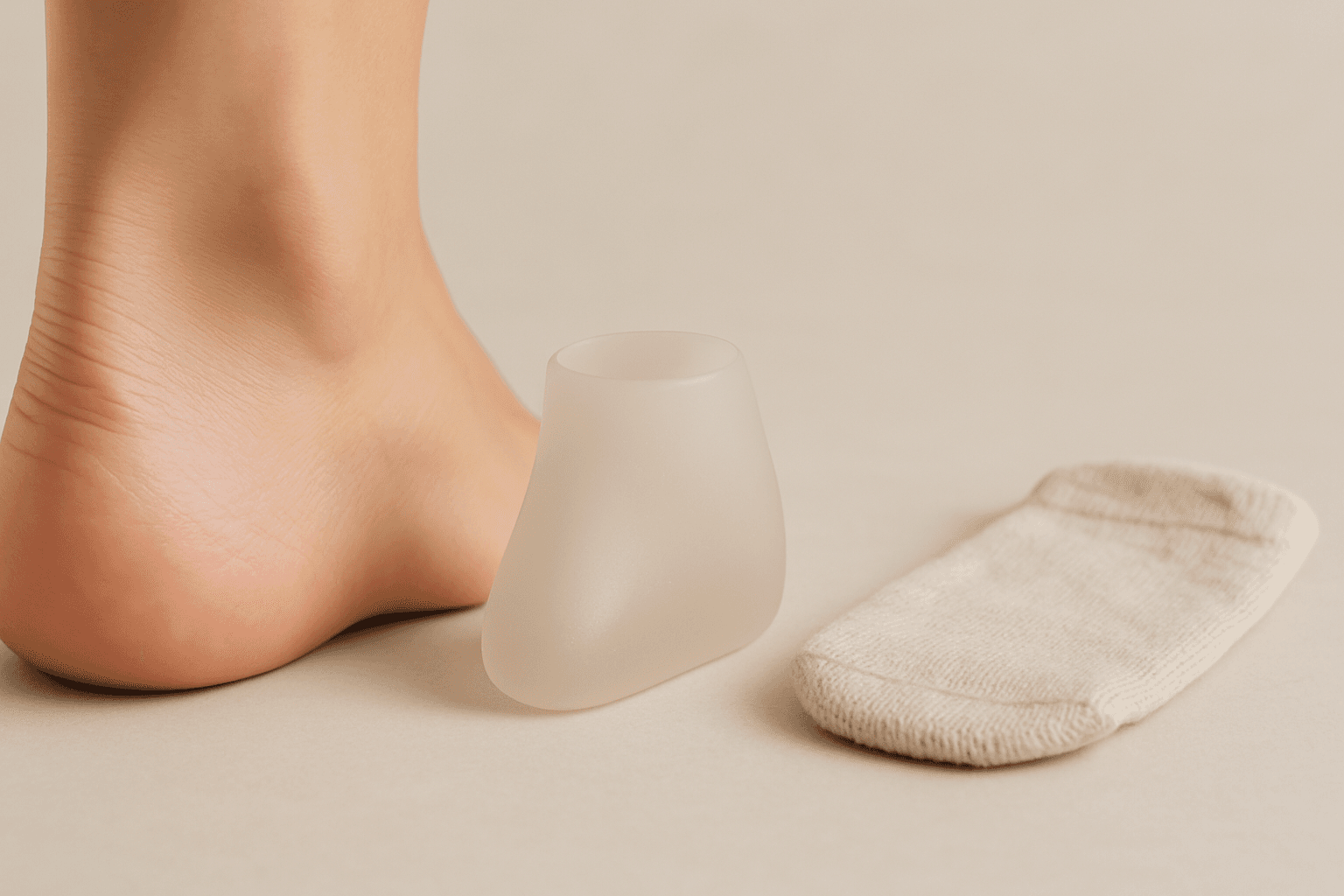
Blisters on the back of the heel come from friction. When your foot slides up and down inside a shoe, the skin layers rub against each other and fluid collects between them. The heel is the classic spot because it is the part of the foot most likely to slip, especially in new shoes, stiff leather, shoes that are a little too big, and long walks where feet swell and sweat. Outdoor guidance from the Appalachian Mountain Club describes blisters as almost always caused by friction, usually when the foot slips inside footwear, which is particularly common at the heel.
The best fix is prevention, and it is mostly cheap: socks that move moisture away from the skin, shoes that fit, a snug heel, and padding on any spot that has started to feel warm. The American Academy of Dermatology recommends nylon or moisture-wicking socks, avoiding cotton, shoes that are neither too tight nor too loose, and covering problem spots with moleskin or a soft bandage before a blister forms.
This page covers prevention, what to do when a blister has already formed, and how heel cups and sleeves can help. If a blister looks infected, or you have diabetes or poor circulation, see a doctor or podiatrist rather than managing it yourself.
Start with the socks
Cotton holds sweat, and wet skin rubs more easily than dry skin. The AAD advises wearing nylon or moisture-wicking socks and trying two pairs if one is not enough. A thin liner under a thicker sock lets the layers slide against each other instead of against your heel. Make sure socks are not bunched or worn through at the heel, because a wrinkle can raise a blister in a few hundred steps.
Our socks for plantar fasciitis page covers compression and arch-strap options for heel pain, which are a different job from blister prevention, but the moisture-wicking principle applies to both.
Get the fit and the lacing right
A shoe that is too loose lets the heel slide, and one that is too tight squeezes the skin against the back counter. The AMC suggests fastening laces loosely across the instep but cinching them tightly at the ankle to lock the heel in place. That is exactly what the heel-lock lacing technique does, and our heel-lock lacing page shows the loop step by step.
Try shoes on late in the day when feet are at their largest, and with the socks you plan to wear. Break in new shoes in short sessions rather than wearing them for a full day on the first outing.
Pad and lubricate hot spots
Warmth or redness at the back of the heel is the early signal. The AAD advises stopping when you notice pain, discomfort or redness because these are early signs of a blister. Cover the spot with moleskin or another soft adhesive bandage, applied securely, or use a lubricant such as petroleum jelly or friction-reducing powder to cut rubbing.
For shoes that always slip, a thin gel heel sleeve or heel grip can take up extra space at the back of the shoe and cushion the area. If you are choosing one, our how to use heel cups page explains fit and placement, and the same principles apply.
If a blister has formed
The AAD advice is to be patient and leave an intact blister alone, since most heal on their own within one to two weeks. The roof of the blister acts as a natural bandage. Cover it with a soft dressing or a ring of padding so shoes do not press directly on it.
Removing the skin flap over a popped blister exposes raw tissue to infection, so if a blister breaks, wash the area gently and keep the flap in place under a clean dressing. Signs of infection such as spreading redness, warmth, pus or fever mean it is time to see a clinician.
Blisters versus heel pain
Blisters and bruised, cracked or calloused heels often occur together. If your heel skin tends to split, our cracked heels care page covers a gentle two-week routine. If you are getting a bony ache at the back of the heel under the blister, or a bump that rubs against shoes, that may be a different problem, and the back-of-heel page can help you sort it out.
Persistent or repeated blisters in the same place, which the foot care hub can help you think through, are a signal that the shoe or the foot shape is the issue. A podiatrist can look at fit, foot structure and gait.
Browse the foot care hub
Everyday care for heels and feet, from cracked skin to socks that keep you comfortable.
Browse the foot care hub →Frequently asked questions
What causes blisters on the back of the heel?
Friction from the foot sliding in the shoe, made worse by moisture, stiff material or poor fit. The heel is the most common spot.
Should I pop a heel blister?
Generally no. The AAD says most blisters heal on their own in one to two weeks, and the skin over the blister protects what is underneath.
What socks are best for preventing blisters?
Nylon or moisture-wicking socks, per the AAD, rather than cotton. Some people also wear a thin liner sock under a thicker one.
Do heel cups prevent blisters?
A gel heel sleeve or grip can reduce slipping and cushion the back of the heel in shoes that are a little loose. It does not replace proper fit and lacing.
How can I stop new shoes rubbing my heels?
Break them in gradually, use heel-lock lacing, pad hot spots with moleskin before a blister forms, and wear moisture-wicking socks.
When should I see a doctor about a blister?
If there is spreading redness, pus, fever or increasing pain, or if you have diabetes, poor circulation or numb feet. Also see a podiatrist if blisters keep returning in the same place.
HeelCups is reader-supported. When you buy through links on our site we may earn an affiliate commission, at no extra cost to you. This article is general information about foot comfort and is not medical advice — see our medical disclaimer.