EXTENSOR TENDONITIS
Extensor Tendonitis: Pain on Top of the Foot, Why Tight Laces Are a Common Trigger and What Eases It
Aching along the top of the foot that worsens in shoes and eases barefoot is a classic extensor tendon pattern. Here is how to recognise it, what usually helps and when to get an exam.
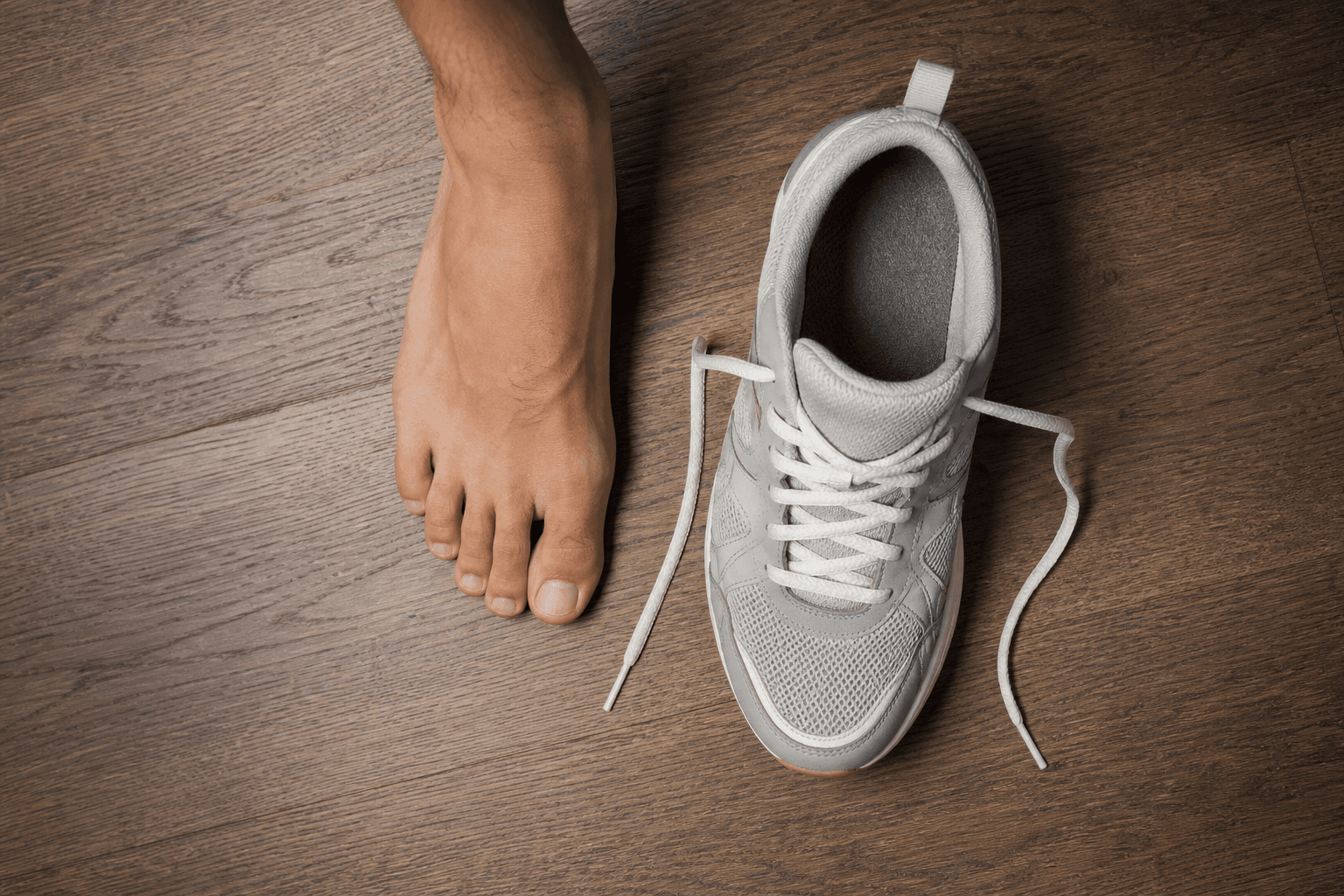
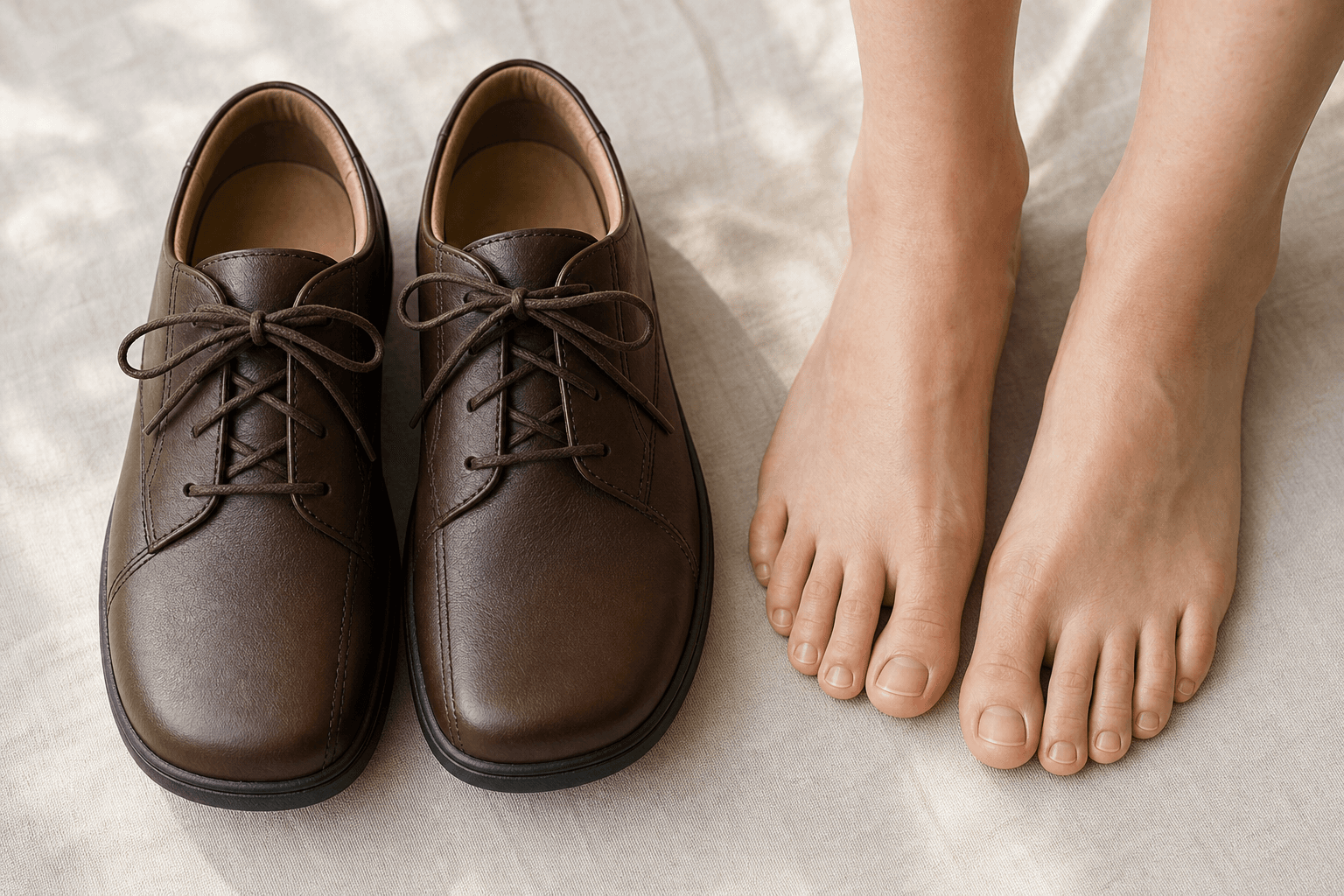
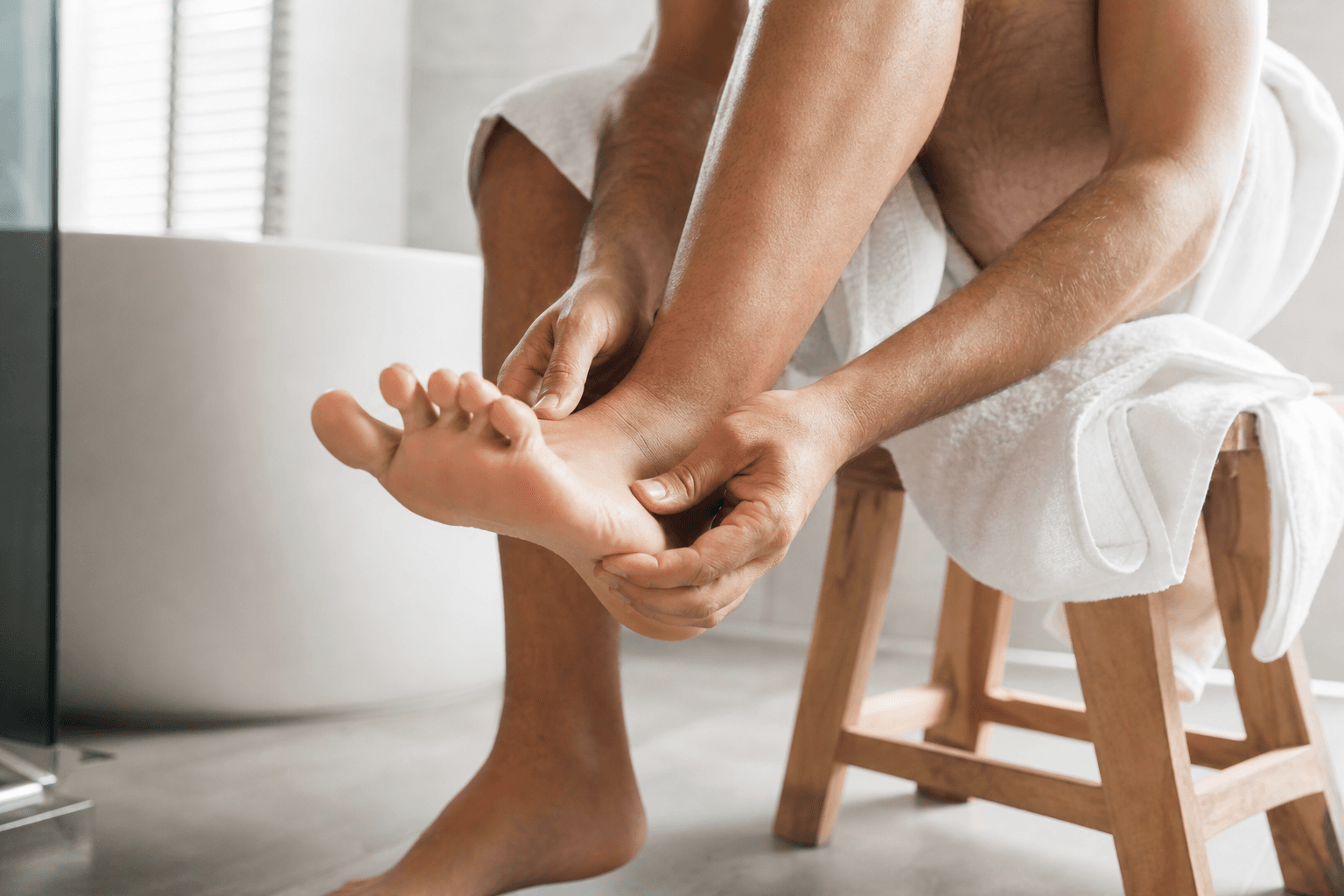
Extensor tendonitis is irritation of the tendons that run along the top of the foot and lift your toes and ankle upward. The usual picture is an ache or sharp pain along the top of the foot, sometimes with mild swelling or a tender ridge along the tendon, that flares with walking or running and often feels worse in shoes than barefoot. Sources such as Cleveland Clinic and WebMD describe it as an overuse problem, and tight shoe lacing is one of the most commonly named triggers.
The good news is that mild cases often settle with changes you can make today: loosen or re-lace the shoe so nothing presses on the sore spot, trim back the activity that flares it, and give the tendon a few weeks to calm down. Podiatry and physiotherapy sources, including NHS Lanarkshire's physiotherapy guidance, describe this conservative approach, with stretching and strengthening added as the pain settles.
Not every ache on top of the foot is a tendon, though. Stress fractures, bony bumps and joint problems can look similar, so this page also covers what to rule out. This is general information, not medical advice; if pain is bony and pinpoint, follows an injury, or has not improved after a couple of weeks of lacing changes and rest, see a doctor or podiatrist.
What the extensor tendons do
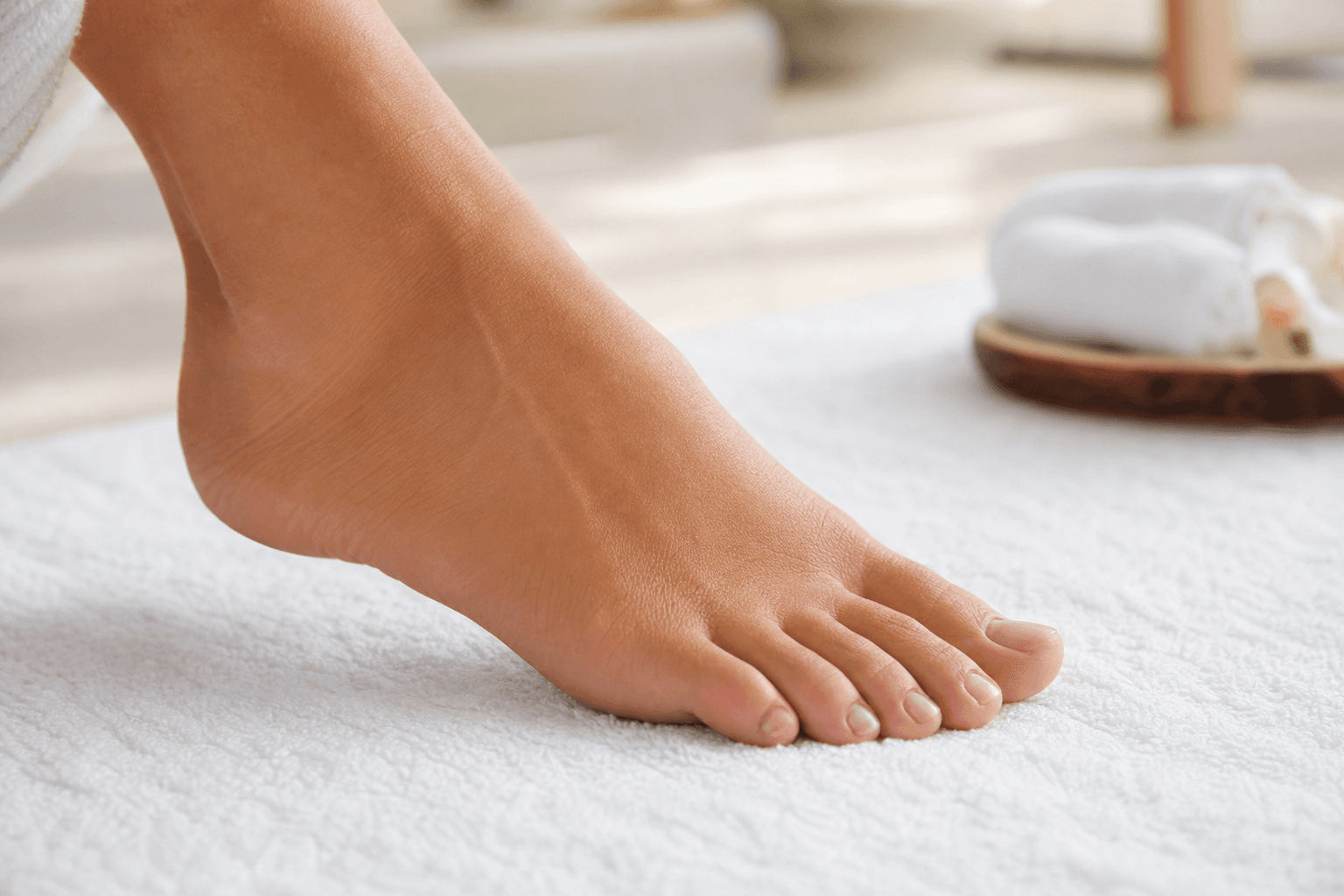
Several tendons cross the top of the foot on their way from the shin muscles to the toes and midfoot. They pull the toes and foot upward as your heel strikes and your foot lowers to the ground, which makes them work on every step. Because they sit just under the skin with very little padding, anything that squeezes the top of the foot, such as a tight tongue or a laced-down eyelet, presses straight onto them.
That is why the pain is often in a line along the top of the foot, and why it can feel worse the moment you put shoes on and ease when you take them off.
Common triggers
Tight lacing or a stiff shoe tongue is the trigger most sources mention first. Other contributors include a sudden jump in running or walking distance, hill work, tight calf muscles that make the foot work harder, and shoes that do not fit well across the instep.
Because tight calves feature so often, our guide to tight calves and heel pain is a useful companion read. A single change at a time is the practical approach: re-lace first, then adjust activity, so you can tell which change helped.
Lacing changes to try first
Two techniques come up repeatedly in podiatry advice. Skip-lacing means leaving one or two eyelets unlaced right over the sore area so the laces bridge across it without pressing. Parallel or window lacing runs the laces straight across rather than crisscrossing, which spreads the pressure more evenly over the top of the foot.
Also loosen the laces a notch, pull the tongue flat so it is not folded or bunched, and try a thinner or softer-tongued shoe if the tongue is stiff. If a particular pair always flares the pain, retire it for a few weeks rather than testing it daily.
Rest, ice and a gradual return
Common home measures are relative rest from whatever flares the pain, ice for short periods wrapped in a cloth, and over-the-counter pain relievers if they are safe for you. Walking is usually fine if it is comfortable; the aim is to avoid the activities that sharpen the pain, not to stop moving entirely.
When it has quietened, return in steps: shorter, flatter, easier sessions first, then build back over a couple of weeks. A physical therapist can add calf stretching and ankle and foot strengthening, which sources describe as a standard part of care. Chronic cases that do not respond are sometimes managed with a short period in a walking boot plus physical therapy, which is a decision for a clinician.
What else it could be
Pain on the top of the foot with a hard, tender spot on the bone can be a stress fracture, which needs imaging; see our page on metatarsal stress fractures. A firm lump on the top of the midfoot may be a bone spur on top of the foot. A hot, red, suddenly swollen joint can be gout or infection and should be seen promptly.
For a broader overview of tendon pain in the foot, read tendonitis in the foot, and for a map of pain locations use the foot pain chart.
When to get it looked at
See a doctor or podiatrist if there was a fall, twist or impact, if you cannot put weight on the foot, if pain is sharply localised to bone, if the area is red, hot or very swollen, if you have numbness or tingling, or if lacing changes and a couple of weeks of easing off bring no improvement. People with diabetes or reduced circulation should not wait on any new foot pain.
Everything here is aimed at comfort and relief while the tendon settles; nothing on this page is a cure or a substitute for an exam.
Explore the foot care hub
More guides on foot pain by location, shoes, skin and nails.
Explore the foot care hub →Frequently asked questions
What does extensor tendonitis feel like?
Most people describe an ache or sharp pain along the top of the foot that worsens with walking, running or pressure from shoes, sometimes with mild swelling or a tender line along the tendon.
Can tight shoelaces cause pain on top of the foot?
Yes. Tight lacing and stiff tongues are among the most commonly cited triggers, which is why skip-lacing or parallel lacing is often the first change suggested.
How long does extensor tendonitis take to settle?
Mild cases often improve over a few weeks once the pressure and overload are removed. Stubborn cases can take longer and may need physical therapy, so a clinician should guide anything that drags on.
Is it a tendon problem or a stress fracture?
A stress fracture typically causes a pinpoint, bony tenderness and pain that builds with impact. If you press a spot on the bone and it is sharply tender, or lacing changes do not help, ask for an exam and possibly imaging.
Should I stop running?
Cut back to what is comfortable and avoid the sessions that make it worse, then return gradually. If pain is present at rest or while walking normally, pause and get advice.
HeelCups is reader-supported. When you buy through links on our site we may earn an affiliate commission, at no extra cost to you. This article is general information about foot comfort and is not medical advice — see our medical disclaimer.