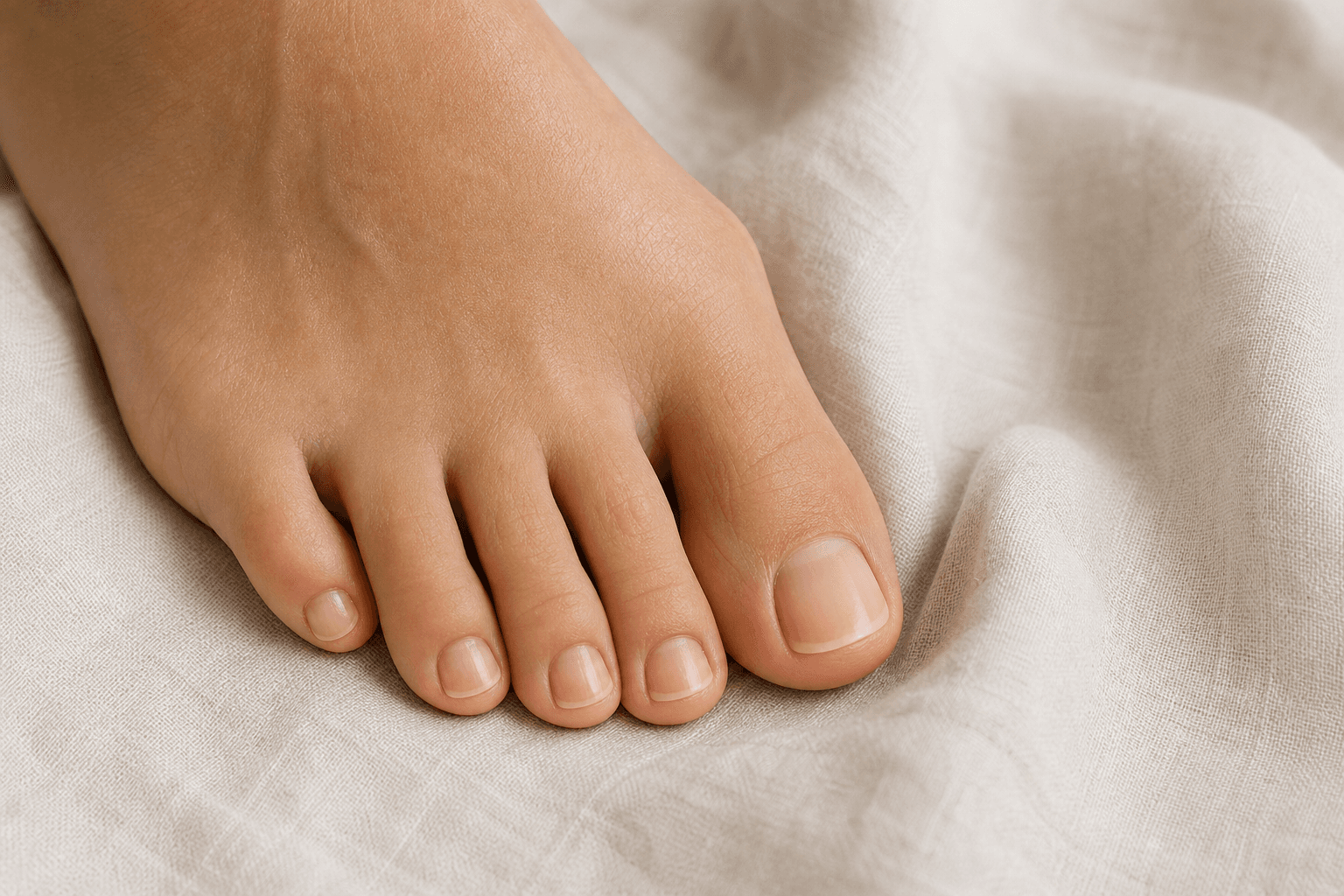
BUMP ON TOP OF FOOT
Bone Spur or Bump on Top of the Foot: Causes, Lacing Fixes and When to Get It Checked
A hard bump over the midfoot is often a tarsal boss, a bony prominence that rubs against the shoe. Here is how to tell it from a cyst, what eases the pressure and when imaging is worth it.

A firm, bony bump on the top of the foot is commonly a dorsal bone spur, often called a tarsal boss, which forms near the joints in the middle of the foot. Podiatry education sources link it to wear and tear in those joints, sometimes with midfoot arthritis, and to years of pressure from shoes that squeeze across the top of the foot.
Not every bump is bone. A softer, rounder lump can be a ganglion cyst, and a lump with swelling and warmth could be something else, so a clinician should confirm what you have. Most true bone spurs are managed without surgery, starting with how the shoe sits over the bump.
This guide covers causes, how to tell a spur from look-alikes, practical lacing and padding fixes, and signs that mean it is time to be seen. For other causes of aching up there, see our page on pain on top of the foot. This is general information, not medical advice.
What a bone spur on top of the foot is
A bone spur, or exostosis, is an extra growth of bone. On the top of the foot it usually sits over the tarsometatarsal joints, the row of joints between the arch bones and the long bones leading to the toes. Sources from foot and ankle specialists describe it as the body's response to chronic stress or joint changes, and it can appear without any pain until a shoe presses on it.
Many people first notice a hard, immovable bump that is tender where the tongue or laces cross it. Skin over it can look red or callused from rubbing.
Common causes and who gets them
Contributors described by foot and ankle specialists include midfoot arthritis, a past injury to the joints, a foot that flattens excessively and presses the bones together, and shoes with a tight, stiff upper. A high-arched foot can also place the bones close to the shoe.
Bumps are more likely to bother you in tight boots, ski boots, dress shoes and running shoes laced hard across the instep.
Spur, cyst or something else?
A bone spur is hard and does not move under the skin. A ganglion cyst is usually softer, round and sometimes changes size. Tendon problems, such as the irritation covered in our top of foot pain guide, tend to ache along a line when you flex the foot rather than at one fixed knob.
Only an examination and often an X-ray can sort these out, so do not assume. Our foot pain chart can help you decide what to mention to a clinician.
How it is usually diagnosed
A clinician will press on the bump, watch how you move the foot and ask when it hurts. A standing X-ray is the usual next step because it shows the bony prominence and any narrowing of the joints beside it. If a cyst is suspected, ultrasound or MRI may be used. Bring the shoes that bother you, since the pattern of rubbing helps explain why the bump is sore.
Knowing whether arthritis is involved matters, because it changes the long-term plan: a spur with healthy joints beneath it is mainly a shoe-pressure problem, while one sitting on an arthritic joint may flare with activity as well.
Easing the pressure: lacing and shoe fixes
The goal is to stop the shoe pressing on the bump. Skip the eyelet directly over it by lacing around the area, or use a window lacing pattern that leaves a gap. Move the tongue slightly or add a small piece of soft padding on the tongue, not on the foot, so pressure is spread.
Choose shoes with a deeper, softer upper and a roomy instep, and avoid stiff leather across the midfoot. A shoe repair shop can sometimes stretch the area. Wear thicker socks only if the shoe still fits comfortably, since extra bulk adds pressure.
Support and inserts
If a flat or collapsing arch is part of the picture, a supportive insole can shift load away from the midfoot joints. The one in our Akusoli insoles review is an example of a supportive option to consider; fit it in the shoe and check the bump still has room. An over-the-counter pain reliever may ease soreness for some people, but check suitability with a pharmacist or doctor first.
Activity and day-to-day comfort
Most people can keep walking, though long hikes in stiff boots may need a rethink. Try a softer pair for errands, loosen the laces a notch for long days on your feet, and check the skin over the bump at the end of the day. Redness that fades within an hour is a sign the shoe is doing its job less harshly; a blister or broken skin means change the shoe before the next outing.
Ice wrapped in a cloth for ten minutes after a sore day can take the edge off, but avoid placing it on numb skin. If the bump rubs enough to cause callus, avoid cutting it yourself; a podiatrist can smooth the skin safely.
When to see a doctor or podiatrist
Book a visit if the bump appeared after an injury, is growing, is hot, red or swollen, causes numbness or tingling, makes walking painful, or does not ease after a few weeks of shoe changes. Surgery to remove a spur is generally kept for cases that do not respond to conservative care, and spurs can return; a podiatrist or orthopaedic foot specialist can talk through the options.
Read our Akusoli insoles review
A firm, supportive insole worth considering if arch collapse adds to your midfoot load.
Read our Akusoli insoles review →Frequently asked questions
What is a bump on top of the foot called?
A hard bony bump over the midfoot is often a tarsal boss or dorsal bone spur, but it could be a cyst or another problem, so have it examined.
Can a bone spur on top of the foot go away?
The bone growth itself usually stays, but pain often settles when pressure from shoes is reduced. A clinician can advise on removal if it does not.
How should I lace shoes over a bump?
Skip the eyelet directly over the bump or use a window lacing pattern, and consider a small soft pad on the tongue rather than directly on the foot.
Is a lump on top of the foot always a spur?
No. Ganglion cysts, tendon swelling and other lumps can look similar, and an examination or X-ray is the reliable way to tell.
Do I need an X-ray?
If the bump is painful, growing or followed an injury, imaging is commonly used to see whether it is bone and whether arthritis is present.
Does arthritis cause bone spurs on the foot?
Midfoot arthritis is one commonly described cause, because the joint changes can lead to extra bone formation.
HeelCups is reader-supported. When you buy through links on our site we may earn an affiliate commission, at no extra cost to you. This article is general information about foot comfort and is not medical advice — see our medical disclaimer.