EARLY TOENAIL FUNGUS
Early Stage Toenail Fungus: What the First Signs Look Like and What to Do Next
A small yellow or white patch does not always mean fungus. Here is what the earliest changes tend to look like, what else mimics them and why confirming the cause comes first.
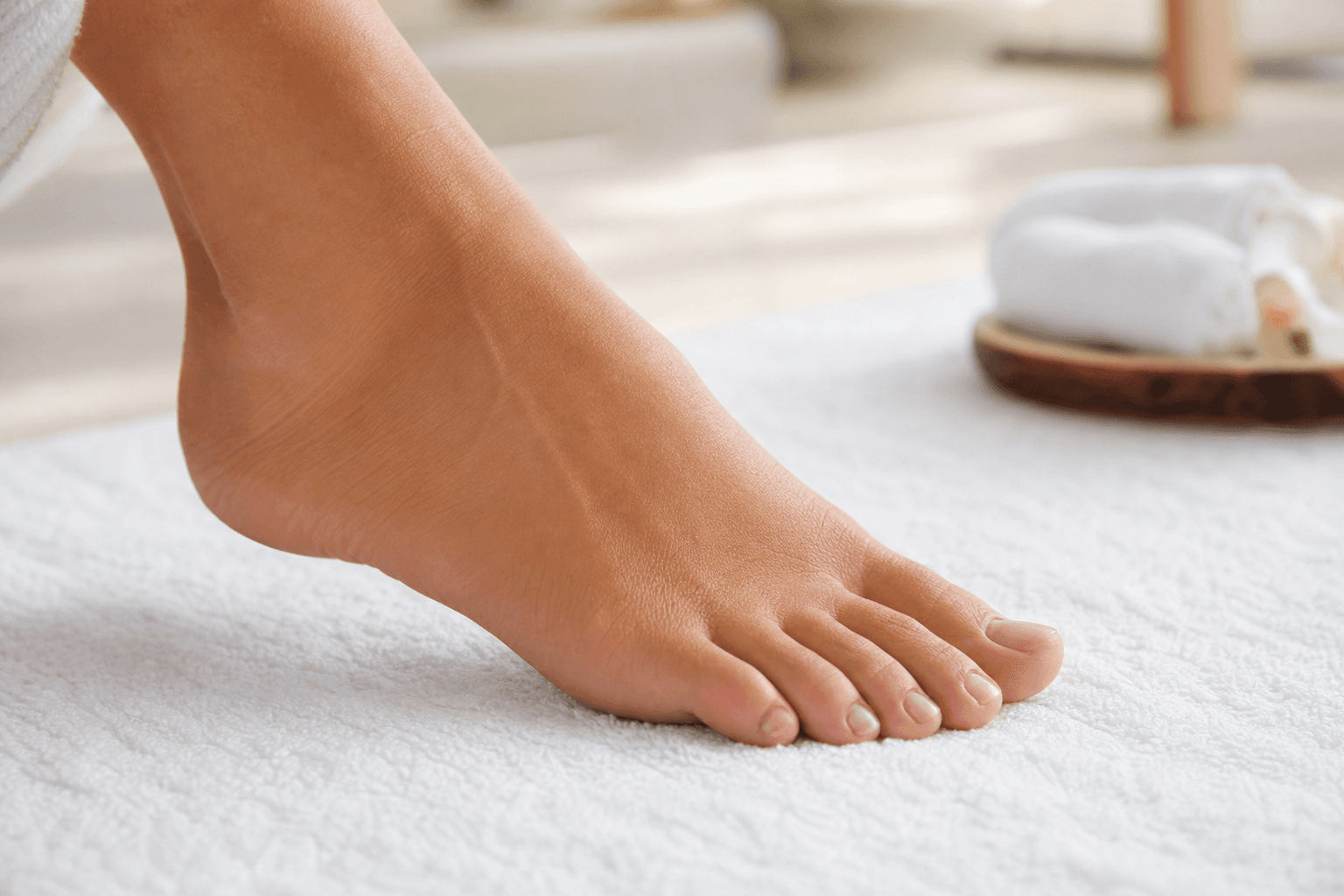
Early stage toenail fungus usually begins as a small, painless change at the tip or edge of one nail: a white, yellow or brown patch or streak, sometimes with a slight thickening or a nail that begins to lift. The American Academy of Dermatology describes nail fungus as a change in colour and texture that can progress to thickened, brittle or crumbling nails. In the early stage, though, it looks a lot like a bruise or ordinary wear from shoes.
That overlap is the main point of this page. A clinician can confirm fungus with a nail sample, and the AAD's Choosing Wisely recommendation advises against prescribing oral antifungal medicine for suspected nail fungus without confirmation. Starting with a confirmed diagnosis saves months of treating the wrong thing.
This is general information, not medical advice. If you have diabetes, poor circulation or a weakened immune system, or a nail that is painful, red or swollen, see a doctor or podiatrist rather than waiting.
What the first signs tend to look like
Common early changes include a pale yellow or white spot under the nail tip, a chalky white surface patch, a streak running along the nail, slight thickening, or a nail that sounds hollow and begins to lift from the nail bed. Early fungus often affects one or two nails rather than all ten, and it is usually painless at first.
Our guide to the types of toenail fungus shows how each pattern looks, including white superficial infection, which Harvard Health notes is a less common form where the nail turns white instead of yellow or brown.
What else it could be
Bruising from tight shoes or a stubbed toe can cause dark or yellowish marks that grow out with the nail; see our page on black toenails. Psoriasis can pit and thicken nails, and years of pressure can make a nail thick without any infection. A dark streak running the full length of one nail, especially if it widens, needs prompt medical attention; read about melanoma under the toenail.
Because several conditions overlap, photograph the nail now and again in a month. A bruise grows out and moves toward the tip; fungus tends to persist or creep.
Why confirmation matters
A doctor or podiatrist can clip a small piece of nail for testing. The American Academy of Family Physicians' 2021 evidence review on onychomycosis describes oral terbinafine as generally the most effective option, but it is a prescription medicine and not right for everyone. Many over-the-counter products on the shelf do not clear infection inside the nail, and a confirmed diagnosis helps you avoid spending months on the wrong approach.
Everyday steps that support the nail
Keep the nail short and straight, and file thickened areas gently so shoes press less. A sturdy tool makes this easier; see our guide to toenail clippers. Wash and dry between the toes, change damp socks and let shoes dry fully between wears. Do not share clippers and wear sandals in shared showers and pool areas.
Look at the skin, too. Scaling or itching between the toes can be athlete's foot, which can reinfect a nail, so see our page on athlete's foot creams.
Setting realistic expectations
Even when treatment works, the damaged nail has to grow out, and a big toenail can take a year or more to be replaced. Our page on what kills toenail fungus fast goes through the timeline and why nothing clears a nail overnight. Judge progress by a band of clear new nail at the cuticle, not by how the surface looks after a fortnight.
A simple monitoring routine
If you are waiting for an appointment, keep a short log. Photograph the nail from above and from the side once a week in the same light, and note any change in colour, thickness or the amount of nail that has lifted. Mark the date on the photo. This gives your clinician a real timeline, which is more useful than memory, and it shows whether a change is moving outward with normal growth or spreading across the nail.
Avoid scraping under the nail or cutting into the skin at the edge, which can cause irritation or open the skin to infection. Do not paint the nail with polish to hide it for long periods, because that can make it harder to see changes. A gentle file and clean, dry feet are enough while you wait.
When to see a doctor or podiatrist
Book a visit if you are unsure what you are looking at, if the nail is thickening or becoming painful, if redness or swelling appears, if more nails are affected, or if you have diabetes, circulation problems or a weakened immune system. Persistent nail changes should be examined rather than guessed at. For the wider picture, read our toenail fungus guide.
Explore the foot care hub
Nail, skin and sock guides in one place, with pointers on when to see a clinician.
Explore the foot care hub →Frequently asked questions
What does early toenail fungus look like?
Often a small white, yellow or brown patch or streak near the tip of one nail, sometimes with mild thickening or lifting. It is usually painless at first.
How can I tell fungus from a bruise?
A bruise tends to grow out toward the tip over weeks, while fungus tends to persist or slowly spread. Only a clinician can confirm the cause, usually with a nail sample.
Can early toenail fungus go away on its own?
It is not something to count on. Fungal nail infections tend to persist without care, so it is worth getting a clear diagnosis.
Do I need a prescription for early fungus?
Prescription medicines are generally considered the most effective, but a clinician should confirm the diagnosis first and check whether they suit you.
Can I spread it to other nails?
It can spread to nearby nails and skin, which is why drying feet, changing socks and not sharing clippers are sensible habits.
HeelCups is reader-supported. When you buy through links on our site we may earn an affiliate commission, at no extra cost to you. This article is general information about foot comfort and is not medical advice — see our medical disclaimer.