EMS FOOT MASSAGERS
EMS Foot Massagers: What the Pulses Do, Who Should Check First and How to Use One Safely
EMS foot massagers send small electrical pulses through a mat. They can feel soothing, but the evidence is thin and a few groups should talk to a doctor before using one.
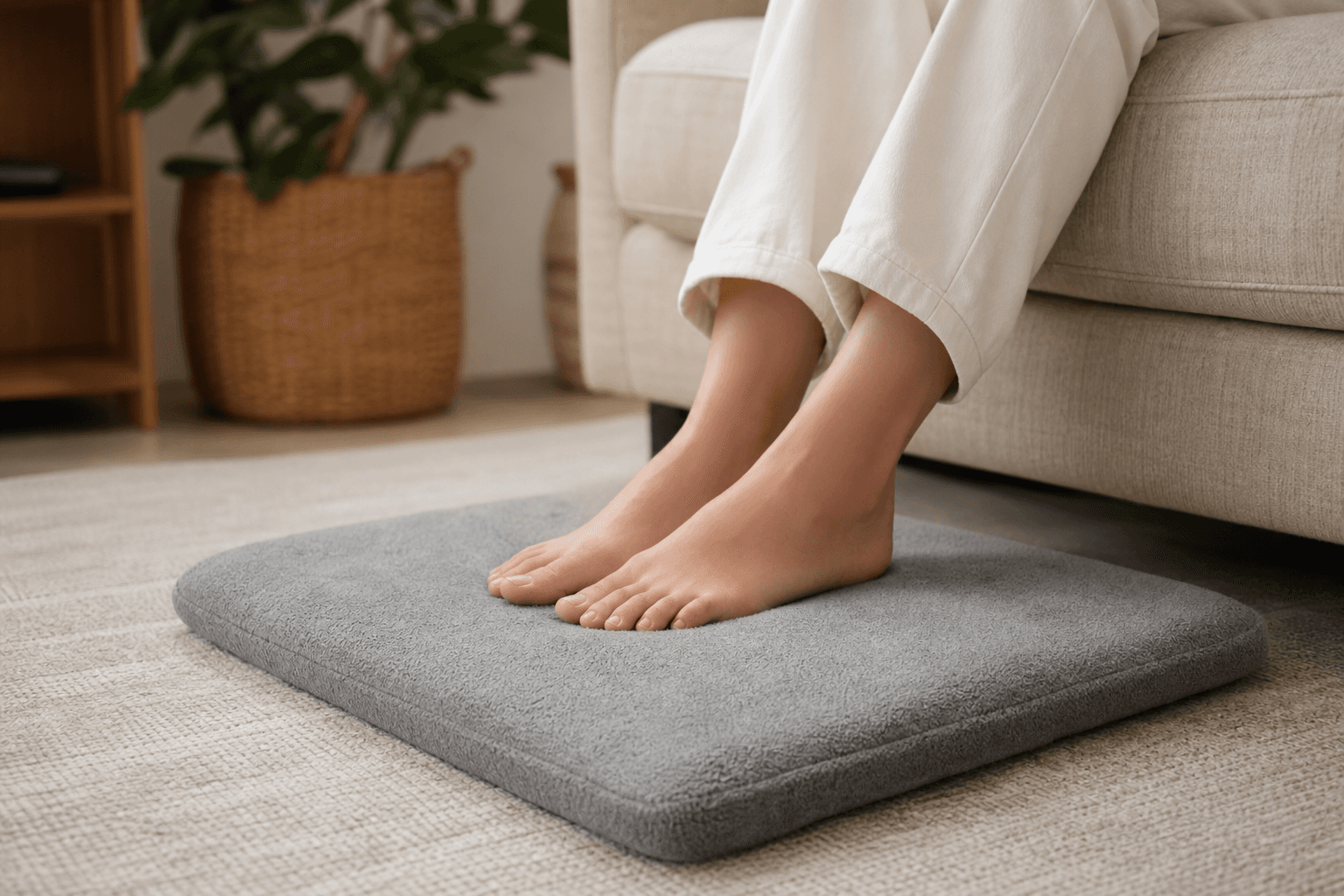
An EMS foot massager is a mat or pad that sends low-level electrical pulses through the soles, causing the muscles to flex and release. Many people find the tingling pulses relaxing after a long day, but the honest summary is that the evidence for lasting benefits is thin, and product pages often make bigger claims than the research supports. Treat one as a comfort gadget rather than a way to manage a condition, and expect the effect to be short-lived: the pleasant feeling usually fades soon after the session ends.
The more important question is safety. If you have diabetes, numb feet, an implanted device such as a pacemaker or defibrillator, a history of blood clots, or you are pregnant, speak to your doctor first. Product guidance on this varies, and a general web page cannot tell you what is right for your health.
This is general information, not medical advice. Foot pain or numbness that persists should be examined by a doctor or podiatrist.
How EMS differs from other foot massagers
Our overview of foot massagers covers shiatsu rollers, kneading machines, vibration plates and air-compression boots. EMS is different because the sensation comes from electrical stimulation rather than moving parts. The pulses make muscles in the foot contract and relax, while some units add a heat or vibration function. Because there is no mechanical pressure, EMS mats can feel gentler than a rolling machine.
What to realistically expect
A session may feel like pins and needles, tapping or a mild muscle flutter. Some people describe it as relaxing, and warm feet and a short sit-down can themselves be restful. Beyond that, product claims about circulation or nerve repair are not backed by strong evidence in the sources we found, and you should be wary of anything promising a cure or reversal of a condition. A massager cannot repair a damaged nerve or remove the cause of heel pain.
Who should check with a doctor first
People with diabetes or reduced feeling in the feet may not notice heat, pressure or a skin problem building up, so a massager may cause harm before they feel it. If you have numbness, read our guides to numb feet and peripheral neuropathy and discuss any device with your clinician.
Implanted devices, a history of blood clots, pregnancy, recent foot surgery, open wounds and skin infections are all reasons to ask first. Manufacturer instructions differ, and forum posts are anecdote, not guidance. Your prescribing doctor or cardiologist is the right person to ask about a pacemaker or defibrillator.
Using one more safely
Start on the lowest setting and increase slowly. Keep sessions short, often 15 to 20 minutes unless the manual says otherwise. Place the feet as directed on the mat, and do not use it on broken or irritated skin. Stop if you feel pain, burning or skin redness that lingers. Check your feet afterwards, especially if sensation is reduced, and keep the device away from water unless it is designed for it.
Gentler options to compare
If your goal is simply comfort, a warm foot soak, a tennis ball roll under the arch or a few minutes of calf stretching may do as much for tired feet with fewer cautions. For heel pain, a supportive shoe and insole and stretching routines usually matter more; start with our guide to plantar fasciitis rather than a gadget. Tired feet are common, and our page on tired feet explains the usual causes.
A short, sensible home routine for tired feet
If the aim is to unwind after a long day, you do not need a gadget to get a decent routine. Sit with your feet raised for ten minutes, roll each arch gently over a tennis ball or a frozen water bottle, and finish with a calf stretch against a wall. Warm socks and a supportive pair of slippers for the evening can also take pressure off the heel and arch.
Pay attention to how your feet feel the next morning. If the first steps out of bed are sharp, or one spot is tender to press, that pattern points toward a problem a massager will not reach. Our page on heel pain in the morning explains what that usually means and when to book an appointment.
Buying sensibly
Look for clear safety instructions, adjustable intensity, an automatic shut-off and a return window. Be sceptical of unnamed review counts, dramatic before and after claims and promises about nerve conditions. We do not currently recommend a specific EMS massager on this site.
When to see a doctor or podiatrist
See a doctor or podiatrist if foot pain, numbness or tingling lasts more than a couple of weeks, if one foot or leg swells, if skin changes colour or breaks down, or if you have diabetes and notice any new foot problem. A massager is not a substitute for finding out why the foot hurts.
Explore the foot care hub
Browse soaks, socks and comfort guides for tired feet.
Explore the foot care hub →Frequently asked questions
Do EMS foot massagers work?
They can feel relaxing, but strong evidence for lasting benefit is limited. Treat claims about circulation or nerve repair with caution.
Are EMS foot massagers safe for diabetes or neuropathy?
Ask your doctor first. Reduced feeling means you may not notice heat, pressure or skin damage during a session.
Can I use one with a pacemaker?
Manufacturer guidance varies. Check with your cardiologist or prescribing doctor before using any device that sends electrical pulses.
How long should a session last?
Many manuals suggest 15 to 20 minutes, but follow the instructions for your device and start on a low setting.
Can an EMS massager help heel pain?
It may feel soothing, but it does not address the cause. Supportive footwear, stretching and a clinician's advice matter more for persistent heel pain.
HeelCups is reader-supported. When you buy through links on our site we may earn an affiliate commission, at no extra cost to you. This article is general information about foot comfort and is not medical advice — see our medical disclaimer.